Commercial downtime is expensive. Get same-week scheduling: 408-614-4451

Infrastructure · Tenant Improvement

TI Projects Run on Schedule When the Electrical Sub Knows What It's Doing.
Permit-Coordinated. On Time.

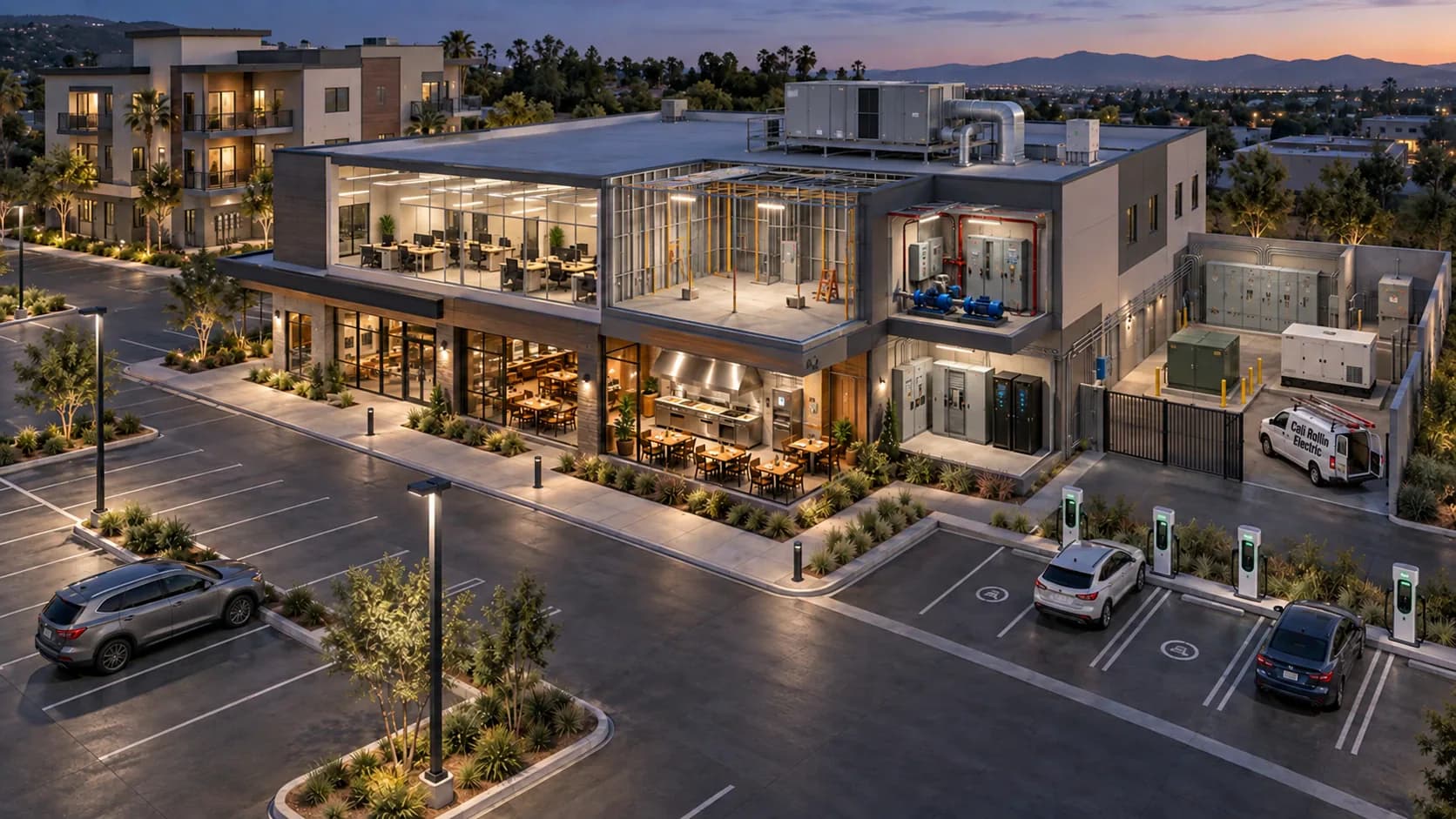
Tenant improvement electrical work connects every trade on the project — HVAC disconnects, lighting systems, data circuit infrastructure, panel capacity assessment, and the final occupancy permit inspection. We coordinate all of it.

C-10 #1144031
Licensed CA electrical contractor
Permit-coordinated
City TI permits handled end to end
HVAC ready
Disconnect and circuit coordination
OPP-ready
Occupancy permit inspection documentation
  • C-10 #1144031Licensed
  • Bonded& Insured
  • 15+ YearsExperience
  • Santa Clara CountyService Area

TI Electrical Scope

Common TI Electrical Scope Items

Scope ItemTypical RequirementPermit Required
New circuit runs — workstations/equipmentHome run from panel to each circuitYes
Panel capacity assessmentNEC 220.87 load calc, subpanel if neededYes (if upgrade)
HVAC disconnect and circuitPer equipment nameplate — 208V or 480VYes
Lighting system — new or retrofitPer lighting plan, Title 24 complianceYes
Emergency/exit lightingPer occupancy type and fire codeYes
EV charging station (commercial)Per TI scope and owner requirementYes
Data/telecom rough-inConduit and pull string — coordination with low-voltageNo (low voltage)

TI Electrical Process

From Consultation to Occupancy Permit

TI electrical work is scheduled to the general contractor's timeline. A missed rough-in inspection delays the entire project — so we treat milestones as commitments, not targets.

01
TI Electrical Consultation
Project scope, floor plan review, panel capacity assessment. Written quote with permit and inspection milestones.
02
Permit Filing & Schedule
TI permit filed with city. Rough-in inspection dates set. Work sequenced to general contractor schedule.
03
Rough-In & Systems
Conduit, wire, panels, HVAC disconnects, and lighting rough-in. Rough-in inspection passed before walls close.
04
Final & Occupancy Docs
Device trim-out, panel energization, final inspection. OPP-ready documentation package delivered.

TI Electrical Pricing Ranges

TI electrical — small suite (under 2,000 sq ft)$8,000 – $20,000
TI electrical — mid-size (2,000–5,000 sq ft)$18,000 – $45,000
TI electrical — large (5,000+ sq ft)Quoted by scope
Panel upgrade / subpanel — included in TI$2,000 – $6,000
Title 24 lighting complianceIncluded in scope
Permit coordinationIncluded in all TI projects

Written quote provided after TI consultation. Permit coordination included.

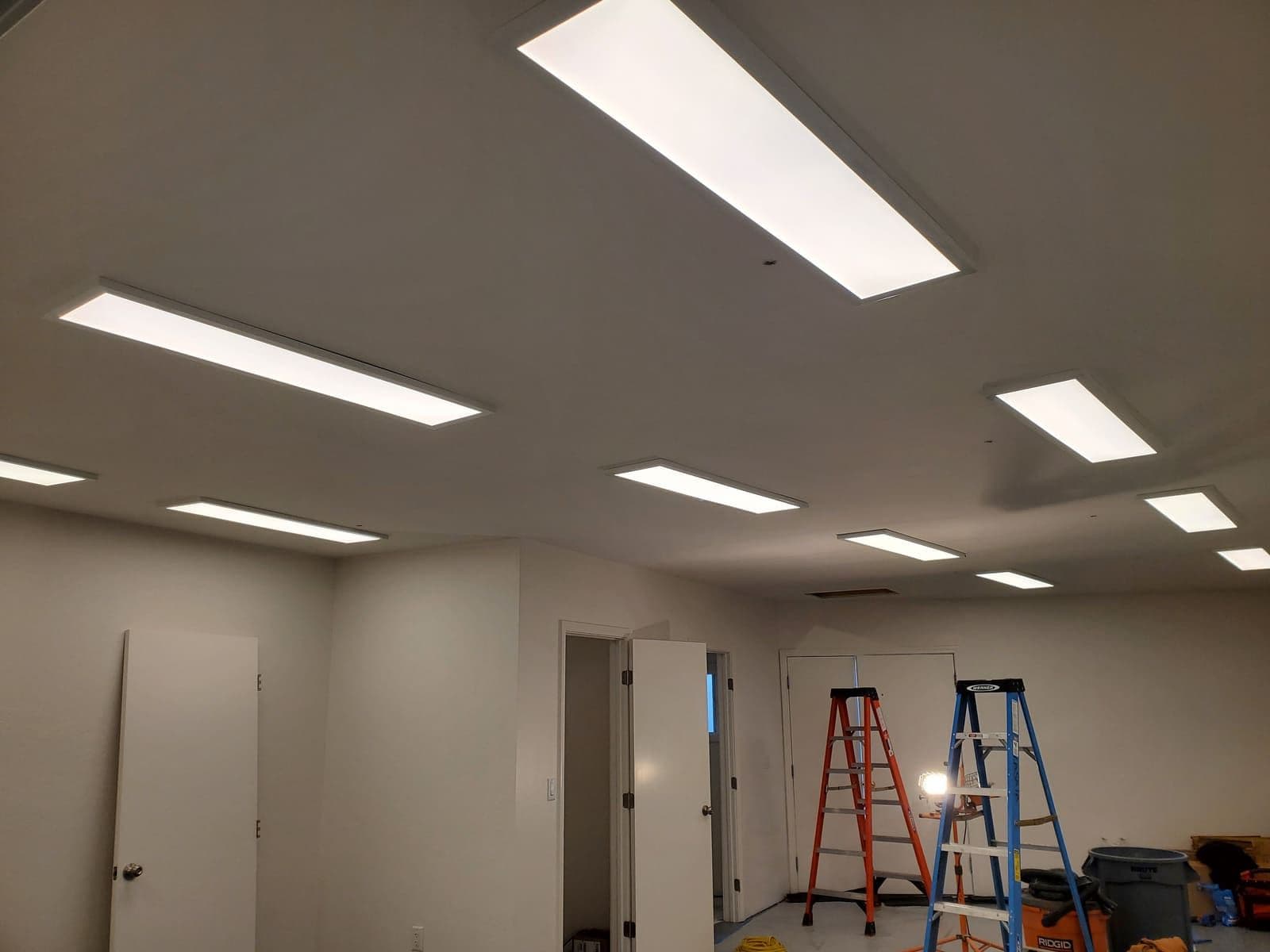
Office lighting installation in Sunnyvale, CA
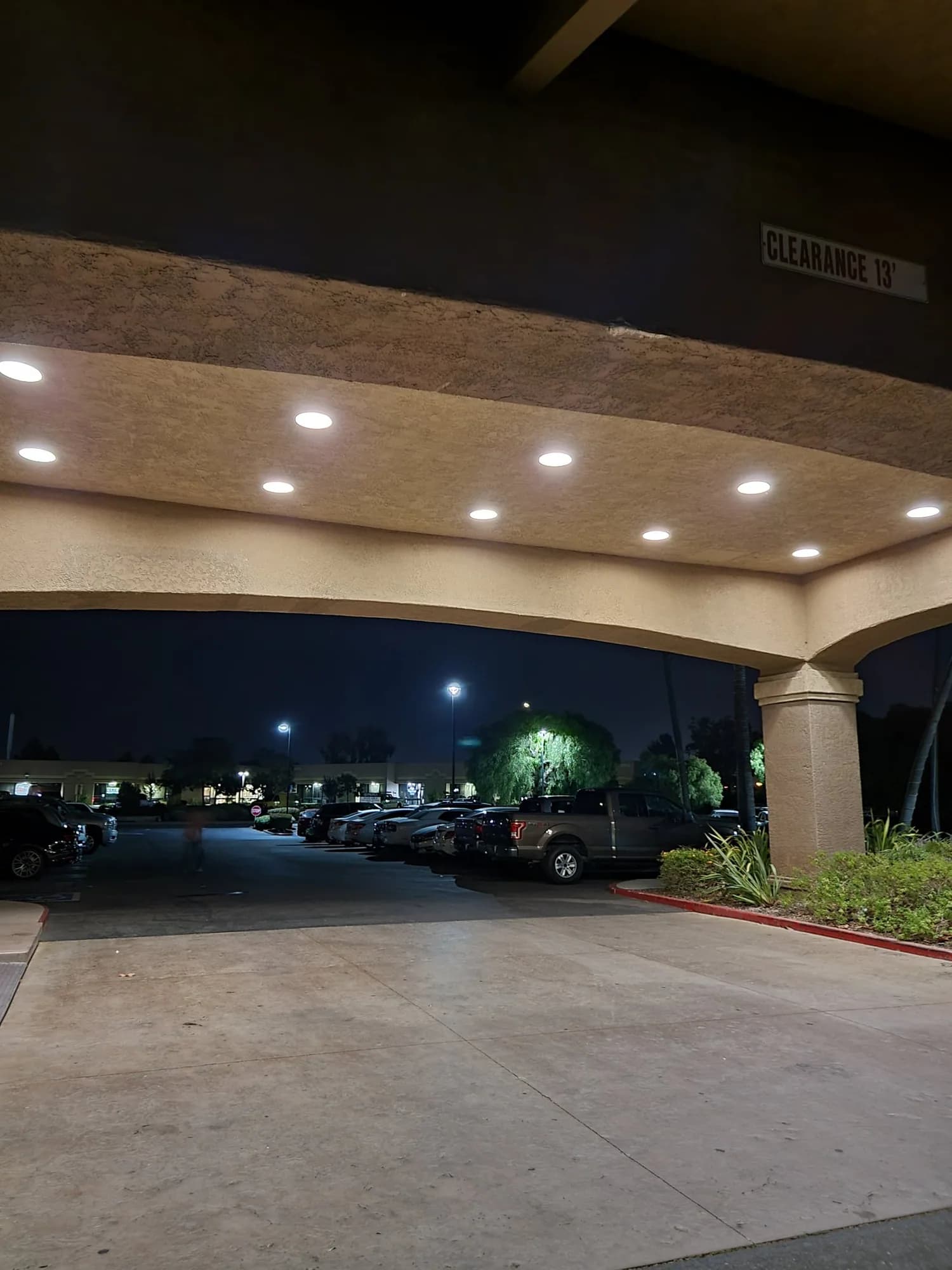
Classroom lighting upgrade in Carmel
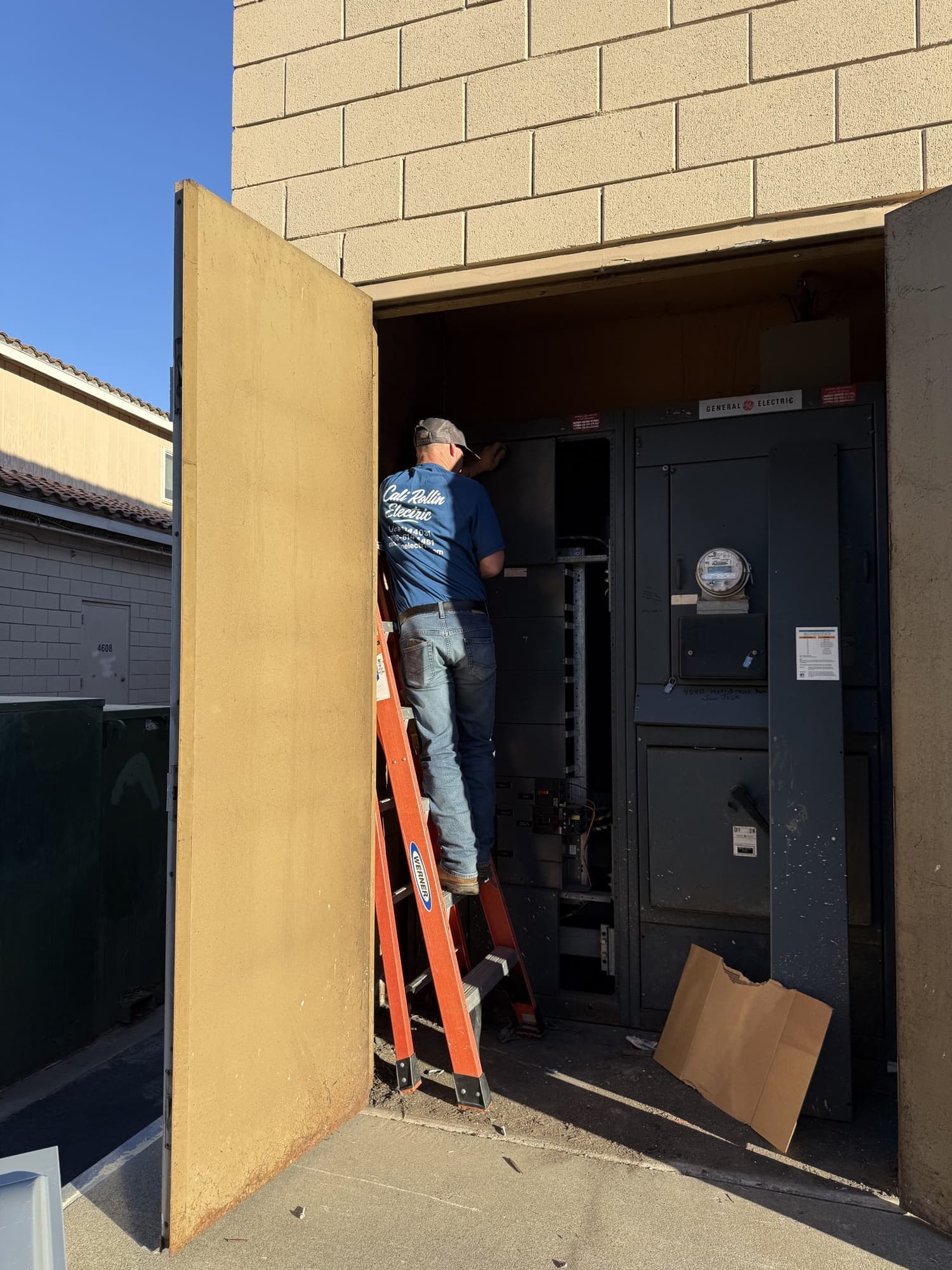
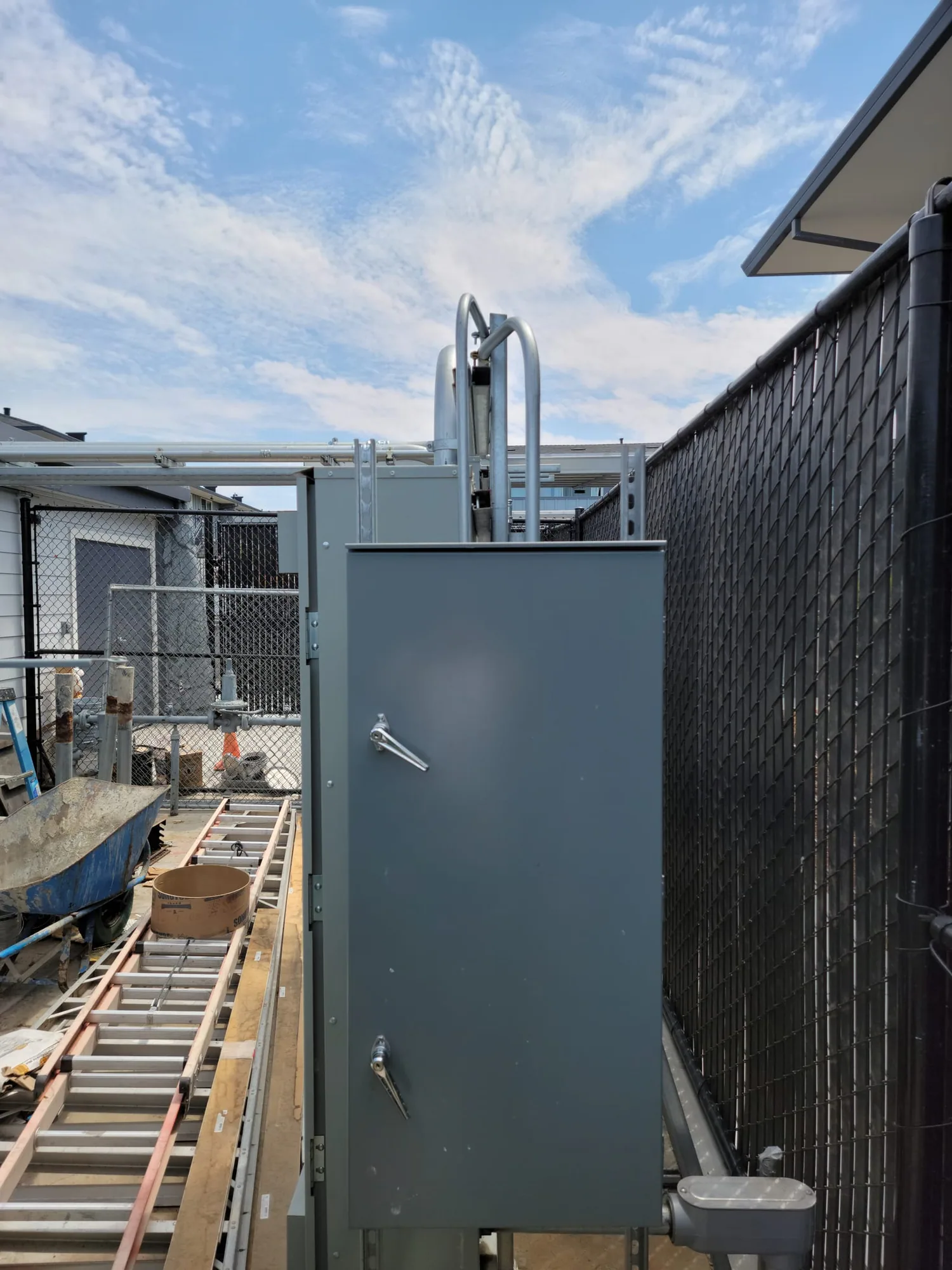
600 AMP main disconnect installation in Oakland, CA

Why Cali Rollin Electric

TI Electrical Work That Doesn't Delay Your Project

TI electrical work touches every trade on the project — HVAC, mechanical, low-voltage, and the GC's occupancy permit timeline. A sub who misses a rough-in inspection delays the entire project.

C-10 #1144031. Written scope. Permit coordination included. 408-614-4451.

Permit coordination end to end
TI permits filed, rough-in inspections coordinated, final and occupancy inspection documentation.
HVAC and mechanical coordination
Disconnect circuits, motor connections, and controls sequenced with mechanical schedule.
Title 24 lighting compliance
All new lighting systems installed to California Title 24 energy code.
Panel capacity assessment
NEC 220.87 load calculation performed — subpanel added if needed.
OPP-ready documentation
Final inspection documentation supports occupancy permit application.
12 SCC cities
San Jose, Santa Clara, Sunnyvale, Palo Alto, Cupertino, and more.

Frequently Asked Questions

TI Electrical — FAQ

What electrical work is typically included in a TI project?+

A commercial tenant improvement covers the full electrical scope from service infrastructure to the last device cover plate. This includes load calculation for the tenant specific use and equipment list, tenant-side panel or sub-panel sized to the space, all 120V and 240V branch circuit rough-in wiring, dedicated circuits for high-draw equipment, HVAC unit disconnect switches and circuits, complete lighting fixture layout per Title 24 2025 LPD requirements, occupancy sensors and daylight harvesting controls, exit signs and emergency egress lighting, data and telecom conduit rough-in, fire alarm device wiring coordination, GFCI protection at all wet locations, AFCI protection per California Electrical Code, ADA-compliant outlet placement, all device installations and cover plates, panel schedule labeling and documentation, and circuit testing and verification before certificate of occupancy inspection.

Do you coordinate with the GC and other trades?+

Yes — and on a commercial TI this coordination is not optional. Cali Rollin Electric coordinates with the general contractor on pre-construction RFI review, scheduling alignment so electrical rough-in is completed and inspected before drywall closes, and submittal review for panel schedules and load calculations. With the mechanical contractor we coordinate disconnect switch locations, wire sizing for RTUs and split systems, and MEP rough-in sequencing. With plumbing we coordinate GFCI circuit placement relative to sink and fixture locations. With the fire alarm contractor we handle conduit sharing agreements and power supply circuits for the fire alarm control panel. With the landlord or property manager we coordinate building electrical room access and load calculation approval.

What permits are required for commercial TI electrical work?+

Commercial TI electrical work in San Jose requires multiple permits submitted through SJPermits.org. The building permit is the master TI permit covering all work in the space — standard commercial TI plan review in San Jose typically takes 12–24 weeks, though express plan check services can compress approval to 2–3 days. The electrical trade permit is separate and pulled directly by Cali Rollin Electric as the licensed C-10 contractor. Mechanical, plumbing, and fire and life safety permits are also required depending on the scope of work. Plan set requirements for commercial TI permit submission include architectural drawings, MEP drawings, Title 24 energy compliance documentation, CALGreen compliance checklist, and load calculation documentation. Cali Rollin Electric prepares and stamps the electrical drawings and load calculation documentation required for permit submission.

How is Title 24 lighting compliance handled?+

Cali Rollin Electric handles Title 24 Part 6 compliance in two phases. At the design and permit stage we calculate Lighting Power Density to confirm the proposed fixture layout does not exceed current limits, map control zones so every office space has occupancy sensor zones per current code, document daylighting controls for primary and secondary daylight zones, and prepare and sign the required NRCC-LTI compliance forms. At the installation stage all fixtures are verified against California energy efficiency databases, occupancy sensors are positioned correctly to avoid coverage gaps that commonly cause inspection failures, and all dimming controls are verified to dim to the required minimum output before shutoff. Non-compliance during the final inspection can hold the Certificate of Occupancy — one of the most expensive outcomes on a TI project for a tenant already paying rent on an unoccupied space.

How do you handle panel capacity for a TI project?+

Panel capacity assessment is one of the first things Cali Rollin Electric addresses on a TI — before any design or permit work begins. We start by reviewing the building electrical room to assess existing service size, main switchboard or distribution panel, and available feeder capacity. We then calculate the proposed tenant connected load per NEC Article 220 using the equipment list from the architect or tenant, covering lighting, HVAC equipment, receptacle loads, dedicated equipment, and continuous load adjustments. For a small office or retail TI under 3,000 sq ft a 100–150A 3-phase 208/120V sub-panel is typical. For restaurant or medical TIs a 200–400A panel is typical depending on kitchen or imaging equipment load. If the building main switchboard does not have capacity for the new tenant load, Cali Rollin Electric documents this formally and coordinates with the landlord engineer on service upgrades — a conversation that should happen before lease signing, not during construction.

What is the typical timeline for TI electrical work?+

TI electrical work runs on the construction schedule — permit timeline is usually the longest single factor. Pre-construction load calculations, electrical drawings, and submittal coordination take one to two weeks. Standard plan review in San Jose for commercial TIs typically takes 12–24 weeks, with complex projects taking longer. Express plan check services can compress this to two to three business days. Electrical rough-in after framing and before drywall takes three to ten days depending on TI size. Rough-in inspection must pass before drywall closes. Trim-out and device installation after drywall and paint takes two to five days. Final inspection and Certificate of Occupancy follows three to seven days after scheduling. The single biggest schedule risk is permit timeline — the best practice is to submit permit documents before the lease is finalized so approval coincides with tenant possession date.

Start the Conversation

Schedule a TI Consultation

Written scope and permit milestone schedule included.

Get In Touch

TI Electrical Consultation Request

Tell us about your TI project — suite size, scope, and timeline. We'll follow up with questions and a consultation schedule.

  • Written quote— permit milestones included
  • NEC 220.87 load calc— before we quote
  • C-10 #1144031— licensed CA contractor
Loading form…

TI Electrical Service Area — Santa Clara County

San JoseSanta ClaraSunnyvaleMountain ViewPalo AltoCupertinoLos GatosSaratogaCampbellMilpitasLos AltosLos Altos Hills