Santa Clara County's C-10 electrical contractor. License #1144031. Verify at CSLB.ca.gov | 408-614-4451

Infrastructure · Commercial Electrical

Commercial Electrician for San Jose and Santa Clara County

Service and panel upgrades, tenant improvements, three-phase power, lighting retrofits, and emergency response for businesses, property managers, and facility teams across San Jose and Santa Clara County. We plan the outage before we touch a wire, so the work lands in a window that keeps you open.

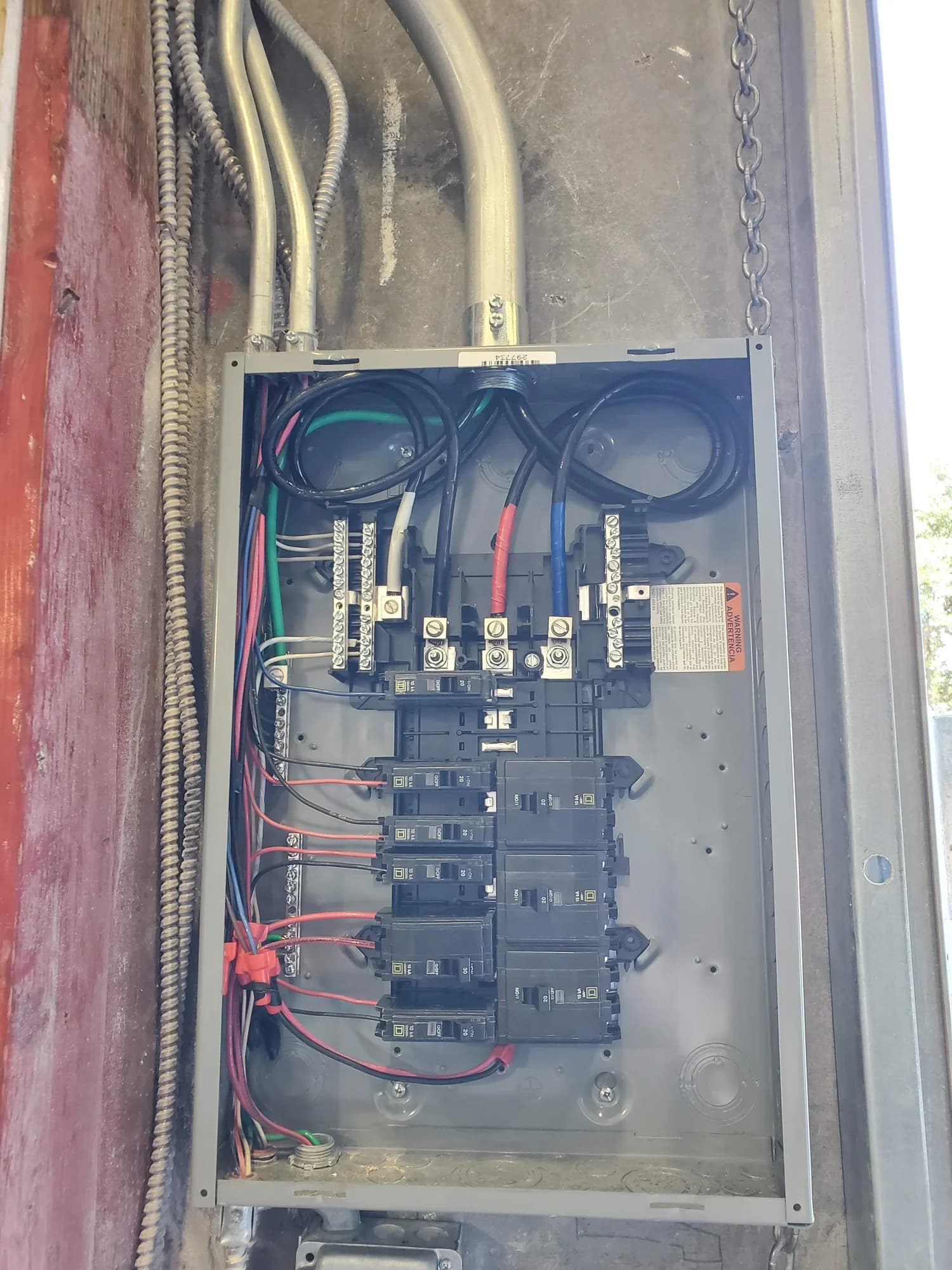
Service & switchgear
200A-800AService & switchgear
Three-phase
208V / 480VThree-phase
California electrical contractor
C-10 #1144031California electrical contractor
Santa Clara County
15 citiesSanta Clara County

Quick answer

A commercial electrical contractor handles the work above residential scale: the service entrance and switchgear, three-phase distribution, tenant build-outs, life-safety and egress lighting, and the equipment feeds a business actually runs on. Cali Rollin Electric does that work across San Jose and Santa Clara County, as a C-10 contractor with 15+ years in the trade. The part that matters to a facility manager is not the wire, it is the schedule: we identify the outage window, keep critical loads up where code allows, pull the permit as the contractor of record, and hand back closed-permit documentation. Written estimate before work begins.
C-10 #1144031. Verify at CSLB.ca.gov ↗Insured for commercial workPermit pulled and closed on every job

Existing buildings

Retrofitting a building that is already occupied

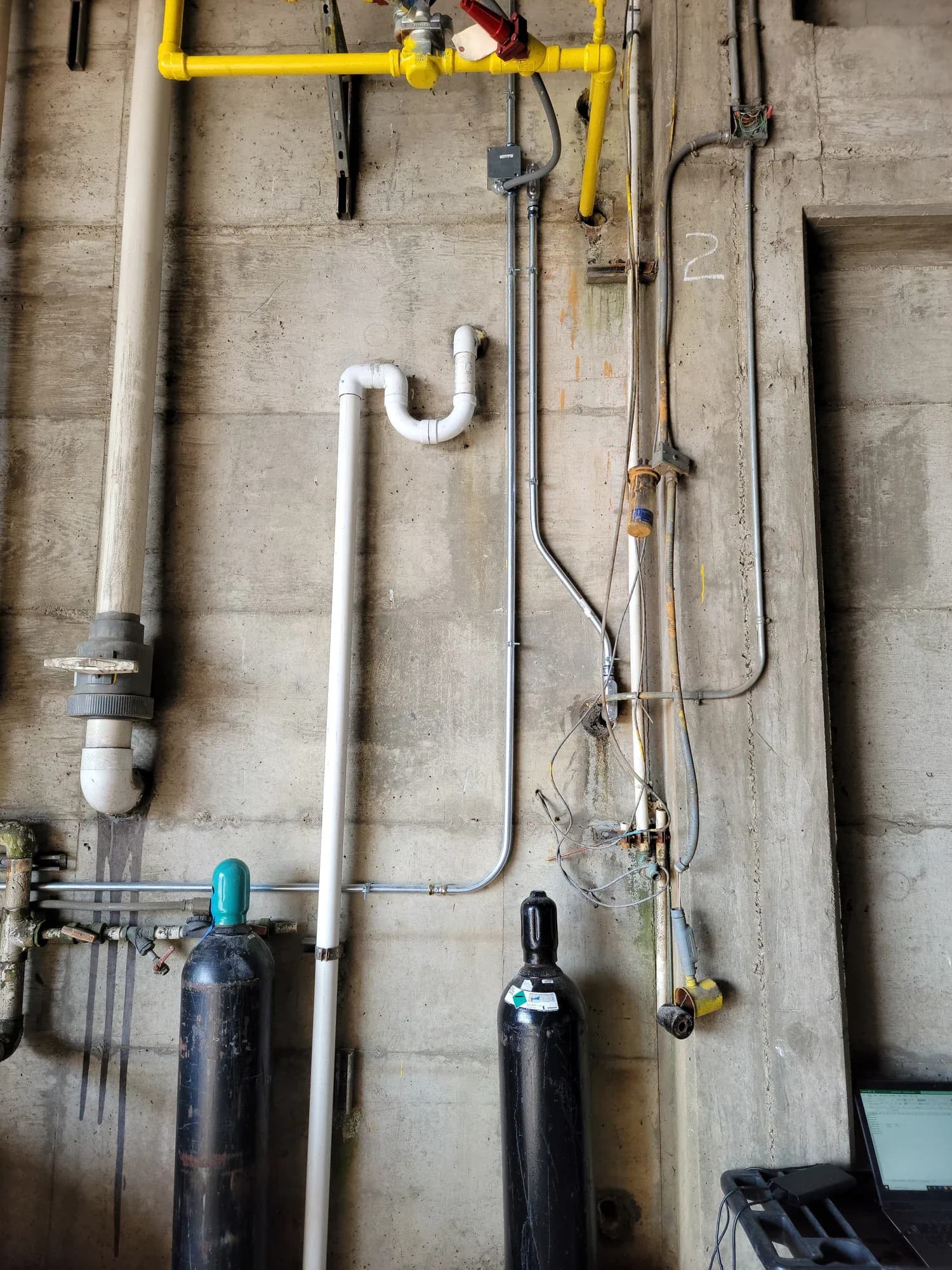
Most commercial electrical work in Santa Clara County is not new construction. It is aging gear in a building full of tenants, a lighting system that no longer meets Title 24, or a service that was sized for a business that left twenty years ago. That work is scheduling first and electrical second, which is the part most bidders underestimate. Picking a San Jose commercial electrician who sequences that work before the crew shows up is what keeps a retrofit from turning into an unplanned outage.

All commercial services

What our San Jose commercial electricians self-perform

How commercial work runs

Uptime is the deliverable

The outage is planned before we touch a wire

We walk the job first, identify exactly which circuits and panels go dark, stage material and labor so the power-off window is as short as it can be, and put the disruptive portion into a night, a weekend, or an existing maintenance window.

Critical loads stay up where code allows

On phased work we hold critical loads on temporary or backfed power through the cutover. Your operations team gets a documented outage they can plan around instead of a surprise.

We pull the permit and close it

We identify the correct Authority Having Jurisdiction, pull the electrical permit as the C-10 of record, coordinate the inspection, and hand back the closed-permit documentation your facilities team files.

Energized work follows NFPA 70E

Where a shutdown is not possible, energized work runs to NFPA 70E, which is functionally mandatory for commercial facilities even though it is not itself law.

General contractors & public agencies

Bidding a job that needs a sub?

If you are shortlisting commercial electrical contractors in San Jose for a bid, the paperwork usually comes before the scope. Our subcontractor prequalification package sits on its own page: DIR registration, Small Business certification, bonding, insurance certificates, NAICS codes, and commercial references. If you are assembling a bid or filling a participation requirement, start there rather than here.

Read what Santa Clara County businesses say about working with our team.

See our Google reviews ↗

Common questions

Commercial electrical: FAQ

How do San Jose commercial electricians price the work?

Most commercial electrical work is priced one of two ways. Emergency and service-call work is priced against what we find once we are on site, with the number confirmed before any repair begins. Defined-scope projects (a tenant improvement, a three-phase service upgrade, an LED retrofit) are quoted as a fixed written price after a site walk and a review of the electrical plans. Either way you get a written estimate before work begins, so your facilities or finance team has a number to approve against. What moves that number is scope, voltage, panel and conduit conditions, permit requirements, and whether the work has to happen after-hours to protect your operations.

How do I compare commercial electrical contractors in San Jose?

Start with the license. Any commercial electrician in San Jose should hold a current C-10, and you can check any contractor number on the CSLB site in about a minute. After that, ask what the crew self-performs and what gets subbed out, because a bid that hides a sub layer is a bid that hides a schedule risk. Ask who pulls the permit and through which Authority Having Jurisdiction, since a building inside city limits is permitted by San Jose and a property in an unincorporated pocket is permitted by Santa Clara County. Ask how the outage itself gets planned, and whether after-hours or weekend work is already priced into the number in front of you or added later as a change. Then ask for commercial references in buildings like yours. We answer all five in writing before you sign anything.

Who pulls the permit, the city or the county?

It depends on where the building actually sits. If your facility is inside an incorporated city, that city's building division is the Authority Having Jurisdiction (AHJ) and the electrical permit is pulled and inspected through the city. If the property sits in an unincorporated pocket of Santa Clara County, the County permit office is the AHJ instead. As the C-10 contractor of record, Cali Rollin Electric pulls the permit, coordinates the inspection with the correct AHJ, and delivers the closed-permit documentation your facilities team needs to keep on file.

Does my business qualify for SVP or PG&E commercial rebates?

That comes down to which utility serves your meter. Inside the City of Santa Clara, the municipal utility is Silicon Valley Power (SVP), not PG&E, so commercial energy-efficiency and lighting rebates run through SVP's commercial programs and the pre-approval paperwork is filed with SVP. Most of the rest of Santa Clara County is served by PG&E, where rebates run through PG&E's programs instead. The eligibility rules, pre-approval steps, and approved-equipment lists differ between the two, and pre-approval generally has to be filed before the work happens. We confirm your serving utility first, then run the correct workflow so an incentive is not lost to a paperwork mistake.

What is the difference between 208V and 480V three-phase service?

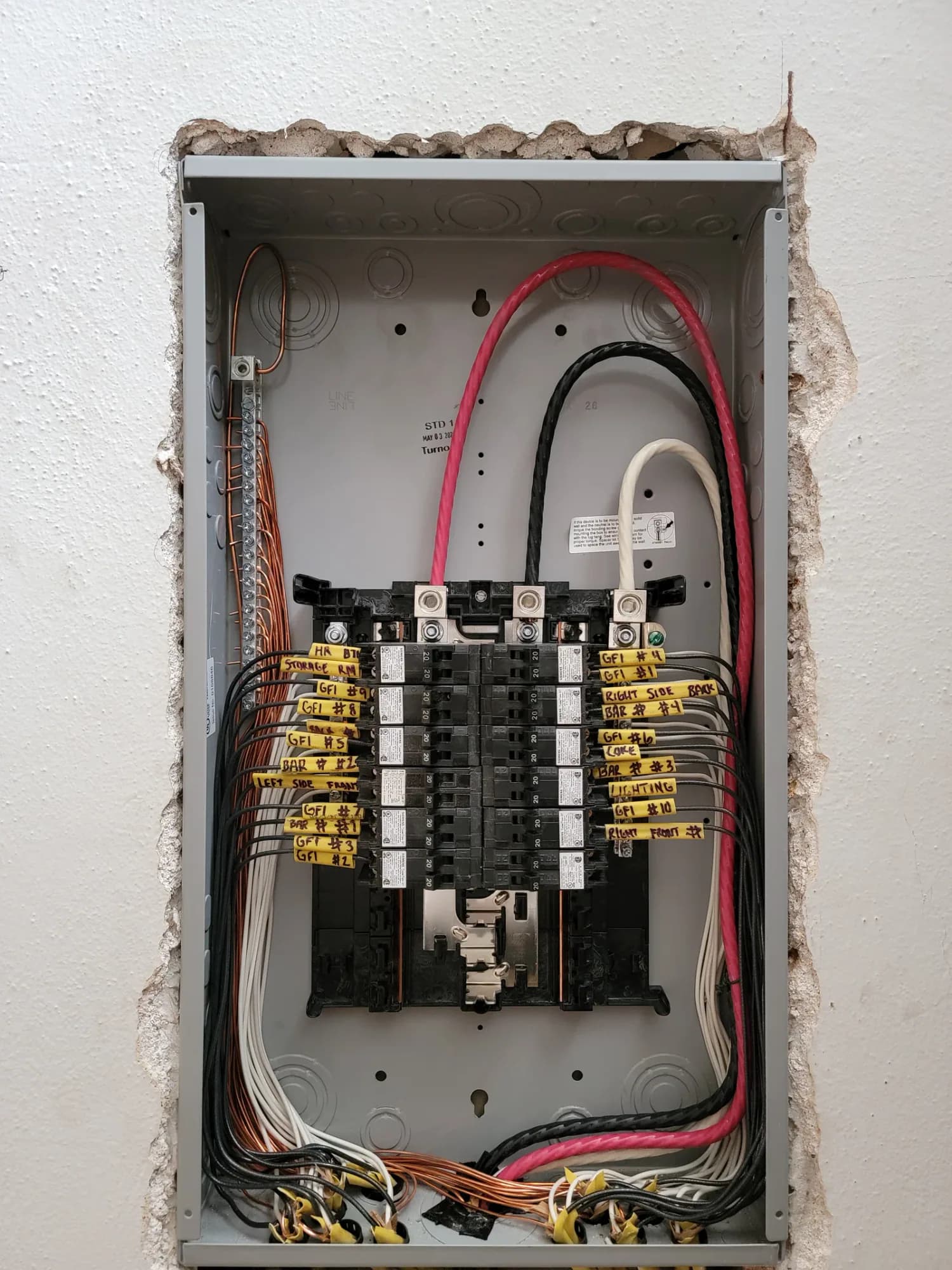
Both are three-phase, but they serve different loads. 208V (120/208V wye) is common in smaller commercial buildings, retail, offices, and mixed-use spaces, powering receptacles, lighting, and light commercial equipment from the same service. 480V (277/480V) is used in larger facilities, manufacturing, warehouses, and buildings with large motor loads or heavy HVAC, because higher voltage moves more power with smaller conductors and lower current. Many larger buildings run a 480V service with step-down transformers feeding 208V panels for convenience loads. We size the service, transformer, conductors, and overcurrent protection to your actual connected and demand load and document it per NEC.

Do you offer emergency and after-hours commercial response?

Yes. Commercial downtime has a dollar cost per hour, so we provide emergency response for power failures, tripped or failed main breakers, arc-flash events, and equipment-down situations, including after-hours and weekends. When you call, you reach our team, not an answering service that takes a message. For non-emergency work that would disrupt a running operation, we schedule deliberately into off-hours so the lights stay on during business hours.

How do you minimize downtime and schedule around our operations?

We plan the shutdown before we touch a wire. That means walking the job in advance, identifying exactly which circuits and panels are affected, staging material and labor so the power-off window is as short as possible, and scheduling the disruptive portion (service cutovers, panel swaps, tie-ins) for nights, weekends, or planned maintenance windows when your facility is closed or at low load. For phased work we keep critical loads energized on temporary or backfed power where code allows. The goal is a predictable, documented outage your operations team can plan around, not a surprise.

Are you insured and permitted for commercial work in Santa Clara County?

Yes. Cali Rollin Electric is a C-10 electrical contractor, California license #1144031, with 15+ years in the trade, and we carry insurance for commercial work. You can verify the license directly on the CSLB website. We serve all 15 Santa Clara County cities. Every job is permitted through the correct AHJ and delivered with the inspection documentation your facilities team can file. General contractors and public agencies can find our subcontractor prequalification package, including DIR registration, Small Business certification, bonding, and references, on our capabilities page.

Start here

Send your plan set or single-line

The fastest path to a real number is the drawings. Send whatever you have and we will come back with scope and a written estimate.

  • Electrical plan set or single-line diagram
  • Panel schedules, or photos of the existing gear and meter
  • Equipment list with nameplate data, if the scope includes new loads
  • Your operating hours and any window the work has to fit

Serving businesses across Santa Clara County. See every city we cover.

Call (408) 614-4451Free quote