Silicon Valley Clean Energy rebates may cover heat pump water heaters, heat-pump HVAC & panel upgrades. Ask what you qualify for. Call 408-614-4451

SPAN Smart Panel Installation

SPAN Smart Panel Installation in San Jose and Santa Clara County. Add the Load, Skip the Service Upgrade.

Adding an EV charger, a heat pump, or a battery to an older 100A or 150A home usually means an expensive main-service upgrade. A SPAN smart panel manages your loads in real time so the home stays under its service rating, and under the 2025 California Electrical Code that load management can satisfy the load calculation. Installed and commissioned by our SPAN Certified installers, C-10 #1144031.

SVP smart panel rebate (City of Santa Clara)
Up to $4,000SVP smart panel rebate (City of Santa Clara)
Controllable on the flagship MAIN 32
32 circuitsControllable on the flagship MAIN 32
Typical install time
3-8 hrsTypical install time
Indoor or outdoor rated
NEMA 3RIndoor or outdoor rated

Quick answer

A SPAN smart panel is a listed energy management system that watches every circuit and briefly pauses lower-priority loads, so an older 100A or 150A service can take on EV charging or a heat pump without a main-service upgrade. Under the 2025 California Electrical Code (Article 750 and Section 220.70), that managed setpoint is the number the load calculation uses. Installed projects across Santa Clara County typically run $10,000 to $25,000, and Silicon Valley Power customers in the City of Santa Clara can take up to $4,000 off. The on-site assessment is free.

Why a smart panel now

The service-upgrade problem SPAN solves

Santa Clara County sits in the most EV-friendly housing market in the country, where roughly one in five households already owns an electric vehicle. The hitch is that a lot of the housing stock was wired for a different era.

1. A traditional panel assumes everything runs at once

Postwar ranch homes from the 1950s and 1960s were commonly built on 60A or 100A services. The 1970s and 1980s subdivisions across the valley floor were typically wired at 100A or 125A, with gas heat, a gas range, and no second car circuit anywhere in the plan. Add a 48A EV charger and a heat pump on top of the existing load and a conventional panel cannot carry the worst-case total, which forces a main-service upgrade, and sometimes a utility transformer upgrade, that can run $10,000 or more.

2. SPAN manages the load instead of oversizing the service

SPAN is a listed Energy Management System. Its PowerUp feature watches every circuit and briefly pauses lower-priority loads (the EV charger or the water heater) so the home never crosses its service rating. Think of it as a traffic controller for your electricity: when the oven, the air conditioning, and the EV all want power at once, SPAN dials the EV back for a few minutes rather than tripping the main.

3. The 2025 California Electrical Code lets that count

Effective January 1, 2026, California is on the 2025 California Electrical Code (based on the 2023 NEC). Under Article 750 and Section 220.70, the maximum current setpoint of the energy management system is the value used in the service load calculation. In plain terms: the city can approve your new EV or heat-pump load without a service upgrade, because SPAN holds the home within its limits. The panel is field-marked with that setting per NEC 750.30, and the load calculation goes through plan check.

Also: every circuit, visible

A standard panel is blind. SPAN shows real-time wattage on every circuit in the app, so you can see exactly what your HVAC, EV charger, water heater, and rooms are drawing.

Circuits are tagged must have, nice to have, or can wait, settings that also decide what runs first if you pair a battery and the grid goes down.

SPAN's newest panels are the first certified to UL 3141, the Power Control Systems safety standard, on top of UL 67, UL 916, and UL 1741 PCS.

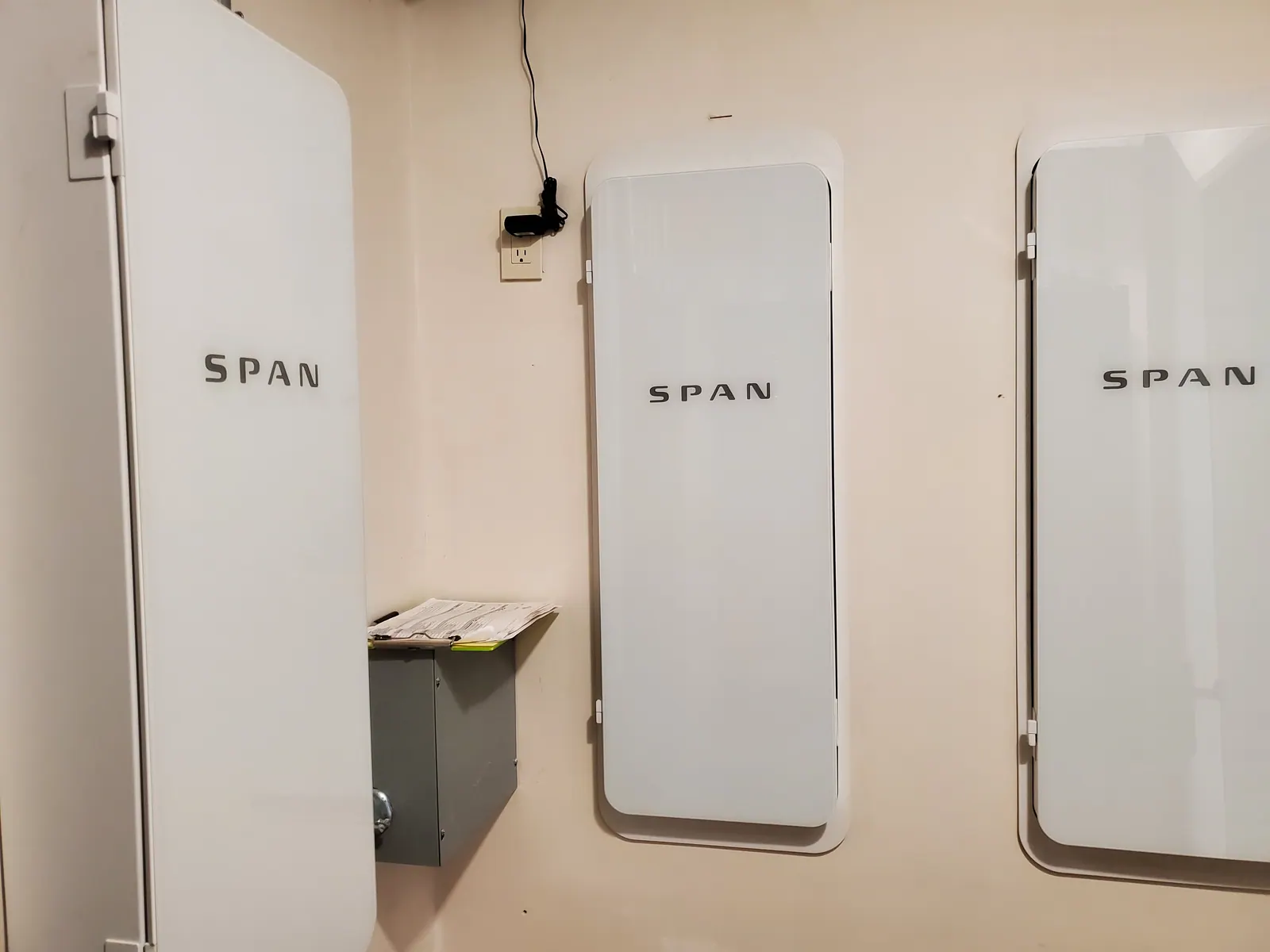
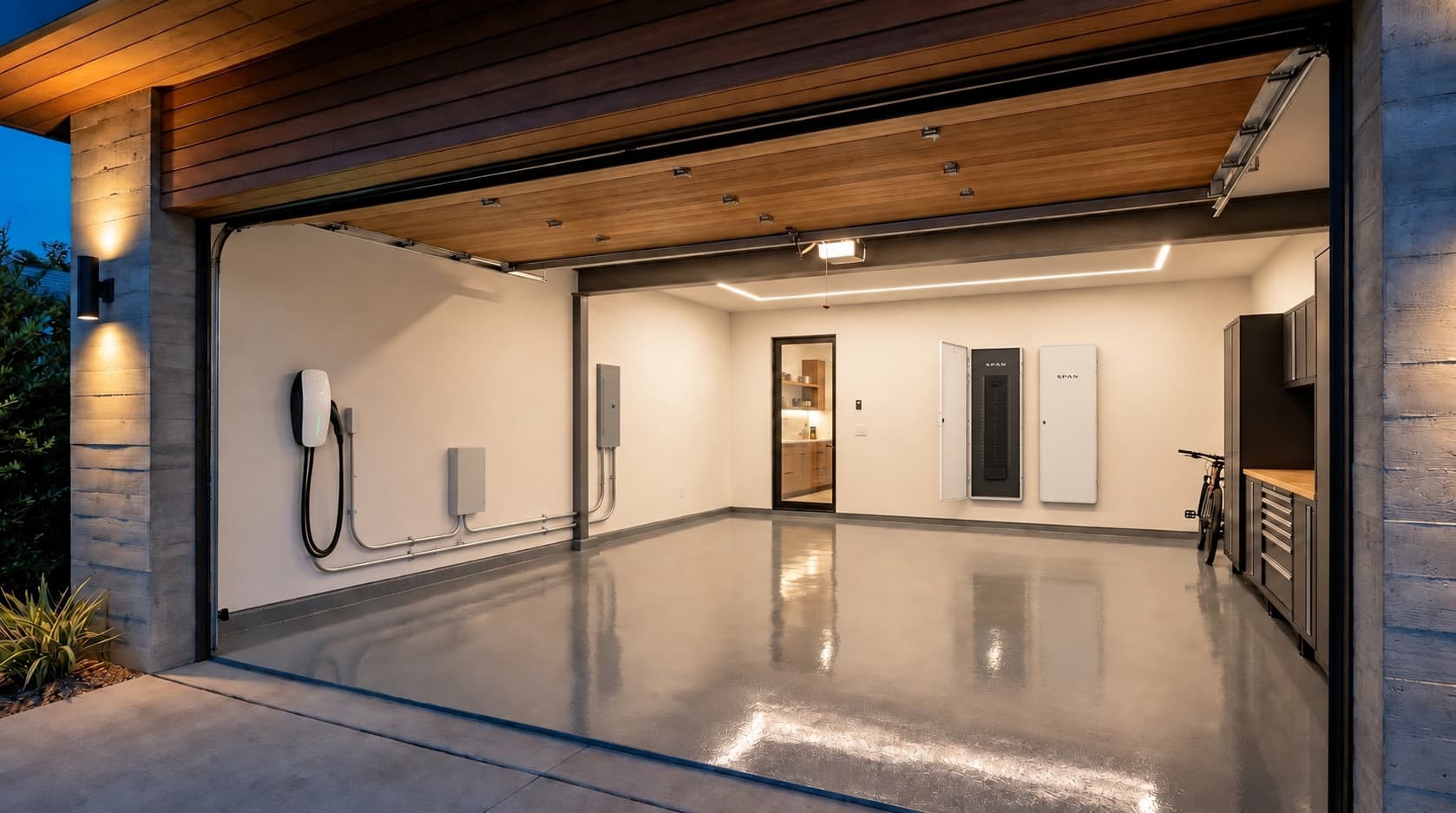
SPAN smart panels installed on a wall, ready for circuit-level load management

Real installs

SPAN panels we have put on the wall

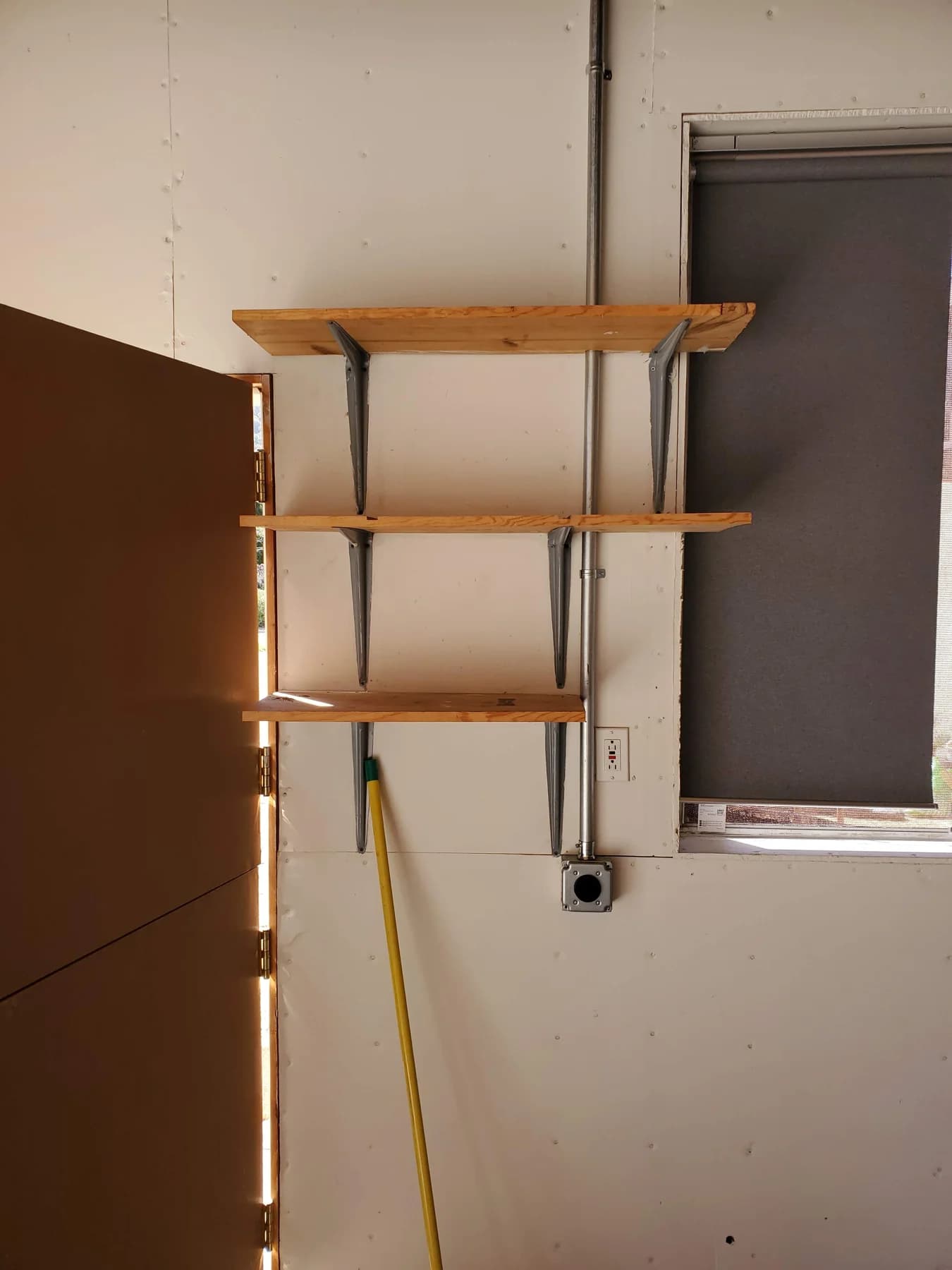
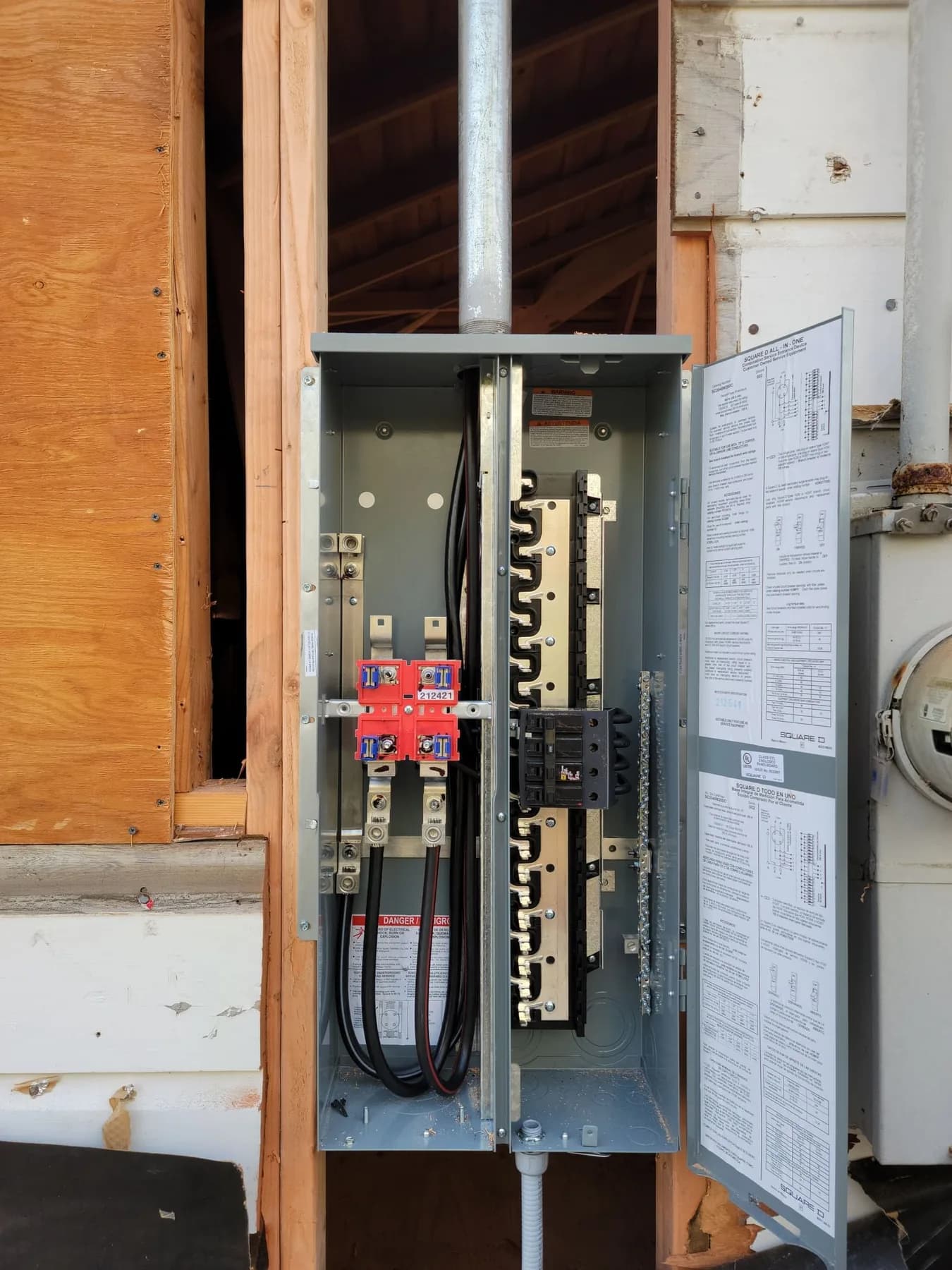
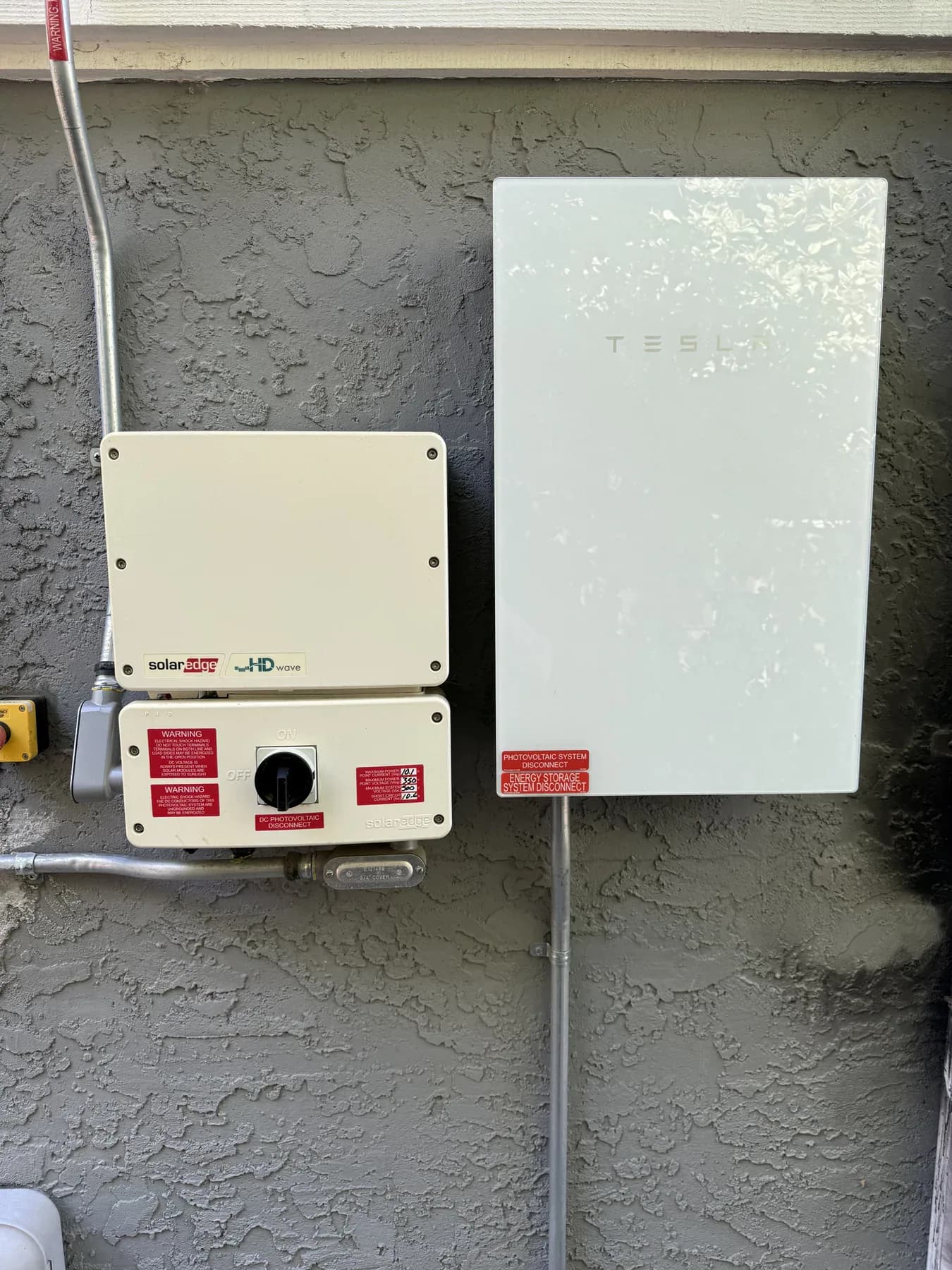
A clean SPAN install in Santa Clara County, the same smart panel that monitors every circuit, manages load to avoid a service upgrade, and runs whole-home backup when paired with a battery. Installed and commissioned by our own SPAN smart panel installers.

The SPAN lineup

Five models, and we match one to your home

All five carry a 225A busbar, accept standard 1-inch breakers, are NEMA 3R rated for indoor or outdoor mounting, and connect over Ethernet, Wi-Fi, and cellular backup.

SPAN smart panel model comparison
ModelCircuitsMainBest fit
MAIN 3232 controllable100-200A main breakerFlagship, fits most homes in the county
MAIN 40 +MID40 controllable200A plus a built-in microgrid deviceSolar and battery without a separate interconnect
MAIN 1616 controllable100-200A main breakerSmaller homes, lower budget
MLO 2424 controllableMain-lug-only (no main breaker)Sub-feed and specific configurations
MLO 4848 controllableMain-lug-only (no main breaker)New construction, high circuit count

Specifications from SPAN's published GEN2 datasheet and product pages. The model recommendation is confirmed at the on-site assessment.

What to budget

What a SPAN panel installation actually costs

The biggest cost variables are whether the panel stays in place or has to move, whether the service conductors or riser need work, and whether solar or a battery is tied in at the same time. A clean like-for-like swap in the existing location is the lowest-cost path. Relocating the panel to a better wall, or replacing deteriorated service conductors, moves it up.

We quote SPAN as an installed project, not as a piece of hardware with a separate labor line. The figures here are typical installed ranges across Santa Clara County. Your written quote comes after a free on-site assessment, and where the Silicon Valley Power smart panel rebate applies, it comes off the top.

Adding the SPAN Drive EV charger or integrating a battery is additional scope we price in the same quote, on the same permit, on the same install day. One shutoff, one inspection.

01

Free Site Assessment

Existing panel inspection, load analysis, and a conversation about EV, heat-pump, solar, or battery plans. We confirm whether SPAN avoids a service upgrade. No charge.

02

Load Calc, Quote, and Permit

EMS setpoint load calculation prepared, written itemized quote, permit filed with your city building department and routed through plan check. Typically 1 to 3 weeks to approval.

03

Installation Day

Existing panel removed, SPAN panel mounted and wired, circuits mapped and labeled, app commissioned. About 3 to 8 hours for a standard swap.

04

Inspection and Handover

Utility reconnect coordinated, city inspection passed, app account set up, and your circuit priorities configured. Documentation delivered.

Installed cost ranges

SPAN smart panel installed cost ranges by scope
SPAN smart panel, installed (like-for-like swap)$10,000 – $25,000 installed
With panel relocation or service-conductor workToward the upper end
SPAN Drive Level 2 EV charger, added with the panelAdded scope
Solar or battery integrationAdded scope
Electrical permit$500 – $1,000 depending on jurisdiction

Estimates before rebates. A written quote is provided after a free assessment.

Current incentives

What currently applies, and what expired

Which program applies depends on your utility, not just your address. Here is what is active right now for a smart panel project, verified against the program pages rather than carried forward from last year.

Up to $4,000

Silicon Valley Power Smart Panel Rebate

The strongest smart-panel incentive in the county pays up to $4,000, and up to $6,000 for income-qualified households, toward a qualifying smart panel installed to avoid a main-service upgrade. SPAN is on SVP's qualifying-products list, and projects must be initiated on or after July 1, 2025. This one is only for Silicon Valley Power electric customers in the City of Santa Clara, so it does not apply to homes served by PG&E or City of Palo Alto Utilities. A pre-installation application is required, so we file it before any work starts.

Up to 50%

PG&E Residential EV Charging Rebate

If the SPAN Drive EV charger is part of the project, PG&E's charging rebate covers up to 50% of an eligible Level 2 charger under the standard option. Income-qualified households can reach up to $2,000, or up to $5,000 when a panel upgrade is bundled. PG&E is the underlying utility for most of Santa Clara County, so this is the widest-reaching of the three. Eligibility depends on PG&E's current approved-equipment list, which we check at application rather than promising up front.

Amount per SVP

SVP EV Charger Incentives

SVP also lists separate EV charger incentives for its residential customers, with current programs and amounts on the SVP rebates page. Like the smart panel rebate, they are limited to SVP residential customers in the City of Santa Clara, and any application is distinct from the panel rebate and handled alongside it.

A straight note on what is gone. The federal 25C credit that used to cover panel upgrades expired December 31, 2025, and the 25D residential clean-energy credit for homeowner-owned solar and batteries expired the same day, both under the One Big Beautiful Bill Act. The federal 30C EV-charger credit expired June 30, 2026. On the storage side, the general-market SGIP residential battery budget is closed and the income-qualified pathway is waitlisted. We do not quote a rebate we cannot confirm is still funded.

Code and permit references

  • 2025 California Electrical Code: in effect statewide since January 1, 2026 (based on the 2023 NEC). Article 750 and Section 220.70 permit EMS setpoint-based load calculations.
  • NEC 750.30: the energy management system limits current to the service, and the panel must be field-marked with its maximum setting plus a note that the setting must not be bypassed.
  • NEC 110.26 working clearances: 36 inches of clear depth in front of the panel, 30 inches of minimum width, and 6 feet 6 inches of headroom. We design the location around these.
  • Permit and inspection: every panel change is permitted and inspected by the building department for your jurisdiction. We pull the permit, submit the load calculation for plan check, and coordinate the final inspection. Permit fees typically run $500 to $1,000 depending on jurisdiction.

Local and credentialed

Cali Rollin Electric

Serving Santa Clara County

Headquarters in Morgan Hill, CA 95037

Credentials

C-10 #1144031. Verify at CSLB.ca.gov ↗

SPAN Certified Installer · Insured · 15+ years in the trade

C-10 #1144031 ↗SPAN Certified InstallerInsured & BondedServing all 15 Santa Clara County cities

Why Cali Rollin Electric

A SPAN panel install is more than swapping a panel

The value of a SPAN install is not the box on the wall. It is the load calculation and the plan-check package that get the city to sign off on your new EV or heat-pump load without a service upgrade. That is the part a lot of installers skip, and it is the part we do carefully. SPAN Certified Installer, 15+ years in the trade, and a direct line to the crew that does the work.

SPAN Certified Installer

Certified by SPAN to install and commission SPAN panels and the SPAN Drive, which is what keeps your 10-year manufacturer warranty intact.

We do the load calc right

The EMS setpoint load calculation (NEC 220.70 and 750.30) and the SPAN listing documentation prepared and submitted for plan check. That paperwork is what earns the no-upgrade approval.

Our local team

License #1144031, 15+ years in the trade, and a direct line to our crew. The crew that quotes the job is the crew that does the work.

Utility coordination handled

PG&E meter disconnect and reconnect across most of the county, Silicon Valley Power in the City of Santa Clara, scheduled and coordinated for you.

Solar and battery ready

SPAN paired with Tesla Powerwall, Enphase, SolarEdge, or FranklinWH: backup-priority circuits set in the app instead of hard-wired into a separate subpanel.

Permit and inspection on every job

Electrical permit, plan check, and final inspection in whichever Santa Clara County jurisdiction you are in. Documentation delivered at handover.

The honest part

When a SPAN panel is not the right call

SPAN is the premium tier, and it is not the answer for every home. Here is when we point you somewhere cheaper or more direct, with the page that covers it.

You only want an EV charger

If the panel is safe and simply short on calculated capacity, a listed load management device runs about $1,200 to $2,500 and does the one job you need. SPAN is the premium tier above that, not the only way to get there.

EV charger without a panel upgrade

The service hardware itself is the problem

Deteriorated service conductors, a damaged busbar, an undersized riser, or a base load already sitting at the service rating are physical limits. A smart panel manages flexible load; it cannot cure hardware, so the hardware comes first.

Standard panel upgrade

You have an FPE or Zinsco panel

A Federal Pacific Stab-Lok or Zinsco panel has to come out regardless of capacity. SPAN can absolutely be the replacement, but when budget is the constraint, a conventional code-compliant panel is the honest recommendation.

FPE and Zinsco replacement

Verified reviews

See what homeowners are saying about us

★★★★★

Common questions

SPAN smart panel: FAQ

Can a SPAN panel really let me add an EV charger or heat pump without a service upgrade?

Often, yes. A SPAN panel is a listed Energy Management System (EMS). Its PowerUp feature monitors every circuit in real time and briefly pauses lower-priority loads (say, EV charging or the water heater) so the home never exceeds its service rating. Under NEC 220.70 (in force in California under the 2025 California Electrical Code), the EMS's maximum current setpoint is the value used in the service load calculation, which can let a 100A or 150A home take on new EV or heat-pump load without upsizing the service or the utility transformer, a change that can otherwise run $10,000 or more. Whether it works for your home depends on your actual loads, which we confirm with a load calculation and submit to the city for plan check.

Is load management actually allowed by code in California right now?

Yes. California adopted the 2025 California Electrical Code (Title 24, Part 3), which is based on the 2023 NEC, effective January 1, 2026. That edition includes Article 750 (Energy Management Systems) and Section 220.70, which together permit an EMS setpoint to be used as the calculated load. The panel must be field-marked with its maximum current setting and a note that the setting must not be bypassed, per NEC 750.30. Local building departments still review the load calculation as part of the permit, so we prepare the calculation and the SPAN listing documentation up front.

What rebates apply to a SPAN smart panel in 2026?

The biggest one is local. Silicon Valley Power offers up to $4,000 (up to $6,000 for income-qualified customers) toward a qualifying smart panel installed to avoid a main-service upgrade, and SPAN is on SVP's qualifying-products list. That rebate is only for SVP electric customers in the City of Santa Clara, so it does not apply to homes served by PG&E or City of Palo Alto Utilities. A pre-installation application is required, so we set that up before any work starts. If you add a SPAN Drive EV charger, PG&E's Residential EV Charging rebate may apply for PG&E customers, and SVP has a separate residential EV charger rebate for Santa Clara city homes, with the current per-station amount listed on the SVP rebates page. On the federal side, the 25C credit that used to cover panel upgrades expired December 31, 2025 and is not available for 2026. We verify your specific eligibility when we price your project.

What does a SPAN smart panel cost installed in Santa Clara County?

Typical installed projects run $10,000 to $25,000 depending on scope. A like-for-like swap in the existing panel location sits at the low end. Relocating the panel to a better wall, replacing deteriorated service conductors or a riser, adding the SPAN Drive EV charger, or tying in solar and a battery all move the number up. Permits vary by city and typically add $500 to $1,000 depending on jurisdiction. We quote SPAN as an installed project rather than hardware plus a separate labor line, and the written quote follows a free on-site assessment. Where the Silicon Valley Power smart panel rebate applies, it comes off the top.

Is SPAN cheaper than a standard 200A service upgrade?

Usually not on the line item alone, and we will tell you which way the math runs for your home. A conventional 100A to 200A service upgrade runs about $7,000 to $10,000, while a SPAN project typically runs $10,000 to $25,000. SPAN wins when the conventional upgrade is unusually expensive (a utility transformer or service-conductor upgrade, a long underground lateral, a meter relocation), when you want circuit-level visibility and app control, or when a battery is in the plan and SPAN replaces the separate critical-loads subpanel you would otherwise have to build. If all you want is an EV charger on a panel that is safe but short on calculated capacity, a listed load management device at roughly $1,200 to $2,500 is the cheaper path, and we will point you there.

Which SPAN model is right for my home?

SPAN's current lineup has five models. The MAIN 32 is the flagship (32 controllable circuits, 225A busbar, a 100-200A main breaker) and it fits most homes across Santa Clara County. The MAIN 16 is a smaller, lower-cost option; the MLO 24 and MLO 48 are main-lug-only panels (no main breaker) for specific configurations and new construction. The MAIN 40 +MID adds a built-in microgrid interconnection device, which simplifies tying in solar and a battery without a separate component. We match the model to your circuit count, panel location, and whether solar or battery backup is part of the plan.

Will SPAN work with my solar and a Tesla Powerwall or other battery?

Yes. A SPAN panel replaces the separate critical-loads subpanel that battery backup normally requires, and lets you choose backup-priority circuits in the app, and change them whenever you want. It works with Tesla Powerwall 2, Powerwall+, and Powerwall 3, Enphase IQ Battery (via the SPAN Remote Meter Kit), SolarEdge Home Hub, and FranklinWH, on both AC- and DC-coupled solar. How much of the home runs during an outage depends on your battery's capacity and continuous output, not on SPAN itself. SPAN manages which circuits draw power and for how long, and the app shows estimated backup time remaining.

Does the SPAN Drive EV charger qualify for a rebate?

Possibly. The SPAN Drive is a Level 2 charger (up to 48A / 11.5 kW) that installs only with a SPAN panel (it is not sold as a standalone charger) and it adjusts its charge rate in real time based on what the rest of the house is using. PG&E's Residential EV Charging rebate may apply for PG&E customers: up to 50% of the charger cost under the standard option, or up to $2,000 (up to $5,000 when a panel upgrade is bundled) for income-qualified households. Silicon Valley Power customers in the City of Santa Clara have their own residential charger rebate, with the current per-station amount listed on the SVP rebates page. Eligibility depends on each program's current approved-equipment list, which we check at application rather than promising it up front.

How do I find SPAN panel installers near me in Santa Clara County?

Start with SPAN's own certified-installer locator, because that is the filter that matters: a panel put in by anyone outside the program cannot be commissioned and loses the 10-year warranty. From there, check for a current California C-10 license, ask whether the installer prepares the EMS load calculation and the SPAN listing documentation for plan check (that paperwork is what earns the no-service-upgrade approval), and confirm they coordinate the utility disconnect and reconnect rather than leaving it to you. Cali Rollin Electric is a SPAN Certified Installer working out of a shop in Morgan Hill, roughly 20 miles south of downtown San Jose, and our crew covers all 15 Santa Clara County cities.

Can I install a SPAN panel myself?

No. SPAN requires that every panel be installed and commissioned by an installer credentialed through its program, and only a credentialed installer can set up your account. A do-it-yourself SPAN panel installation voids the 10-year manufacturer warranty, and a panel change is permitted work that has to pass a city inspection, done with the panel de-energized, verified dead, and locked out, with only the utility side handled live and only where that cannot be avoided. Cali Rollin Electric is a SPAN Certified Installer and a C-10 electrical contractor (#1144031), so the install, the permit, and the warranty are all handled correctly.

How long does a SPAN installation take, and is the panel rated for outdoors?

A straightforward SPAN swap takes about 3 to 8 hours, similar to a standard panel replacement. The SPAN panel carries a NEMA 3R enclosure rating, so it can be installed indoors or outdoors, and connects over Ethernet, Wi-Fi, and cellular (4G/LTE) backup. We coordinate the utility disconnect and reconnect (PG&E across most of Santa Clara County, Silicon Valley Power in the City of Santa Clara), pull the permit, and meet code working clearances: 36 inches of clear depth in front of the panel, 30 inches of width, and 6 feet 6 inches of headroom per NEC 110.26.

Does SPAN need home internet, and what happens if the internet goes down?

The panel connects over Ethernet, Wi-Fi, or built-in cellular (4G/LTE) backup, so the app stays reachable when home internet is out. We set connectivity up during commissioning and confirm signal at the panel location before we leave, which matters because panels commonly sit in a garage, a utility closet, or on an exterior wall where Wi-Fi is weakest. If the best answer at your house is a hardwired Ethernet run to the panel, we price that with the job rather than leaving it for you to solve later.

Get started

Get a free SPAN smart panel assessment

Tell us about your panel and what you want to add. Our team responds the same day during business hours with a real load assessment, not a guess. Most installs are scheduled within two to three weeks, depending on permit turnaround, and there is no charge to find out what your home needs.

Contact

Hours

Mon-Fri 7:00 AM to 4:00 PM

Emergency electrical services available 24/7

Call (408) 614-4451Free quote