Commercial downtime is expensive. Get same-week scheduling: 408-614-4451

Infrastructure · Restaurant & Commercial Kitchen

Restaurant & Commercial Kitchen Electrician in San Jose
Hood Interlocks. Equipment Circuits. Pass Your Final.

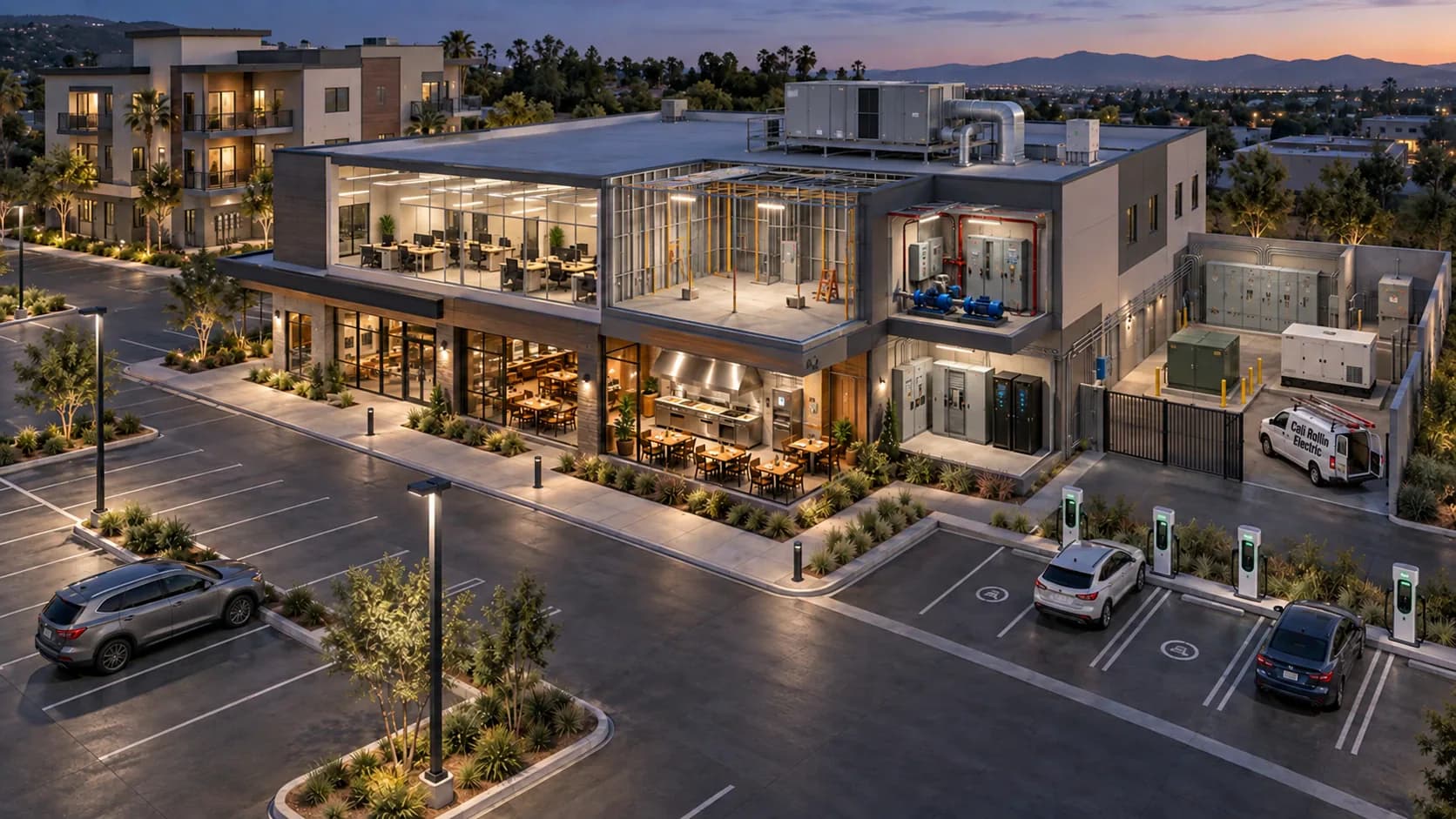
Commercial kitchen build-outs across San Jose and Santa Clara County — NFPA 96 hood fire-suppression interlocks, 208V three-phase equipment circuits, walk-in feeds, and egress lighting, all built to clear the building and health finals the first time.

C-10 #1144031
Licensed CA electrical contractor
NFPA 96
Hood & suppression interlock
208V 3-phase
Equipment circuits to nameplate
Open-date driven
Scheduled around your opening
  • C-10 #1144031Licensed
  • Bonded& Insured
  • 15+ YearsExperience
  • Santa Clara CountyService Area
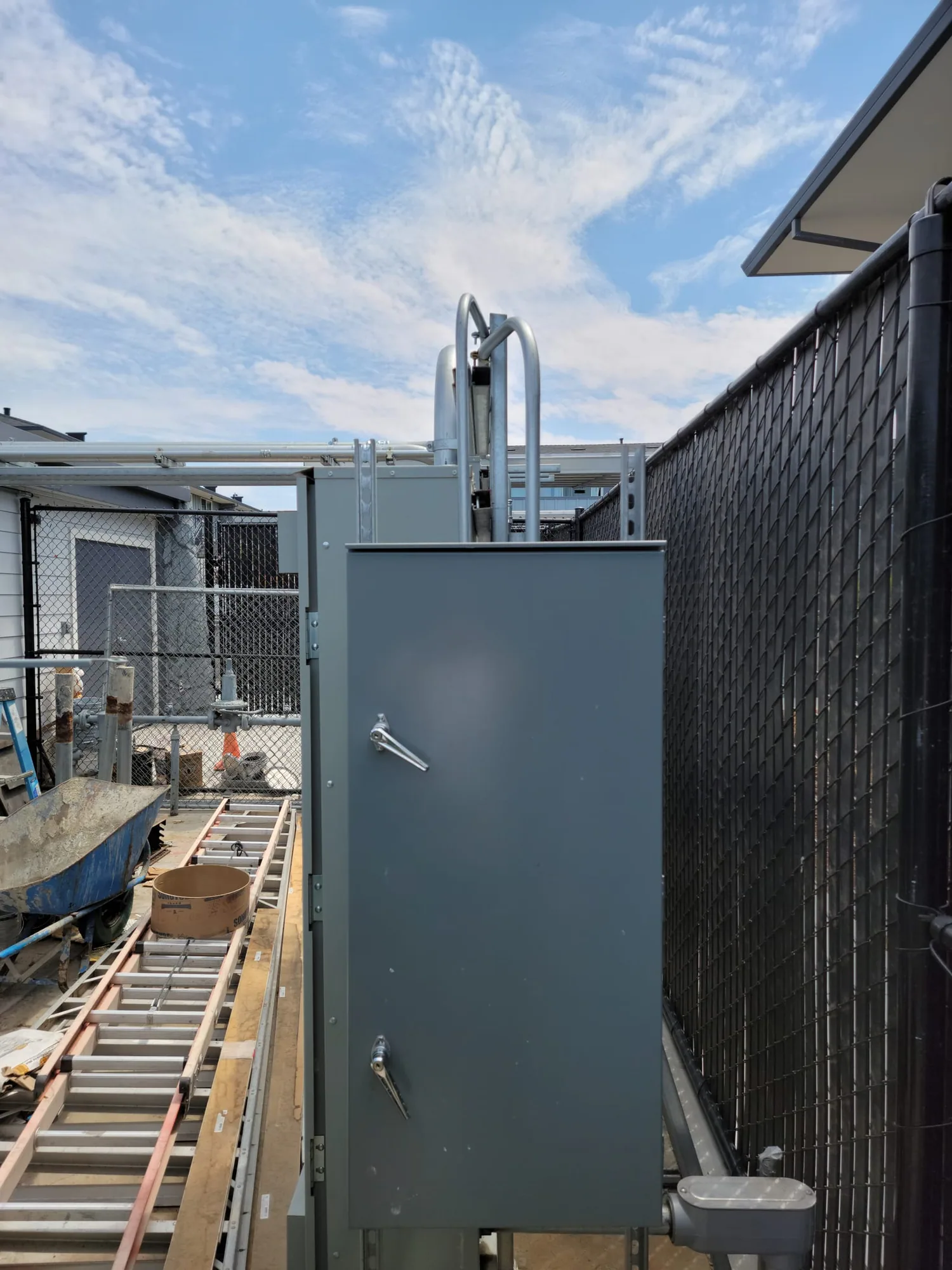
New main panel for a commercial kitchen, installed by Cali Rollin Electric
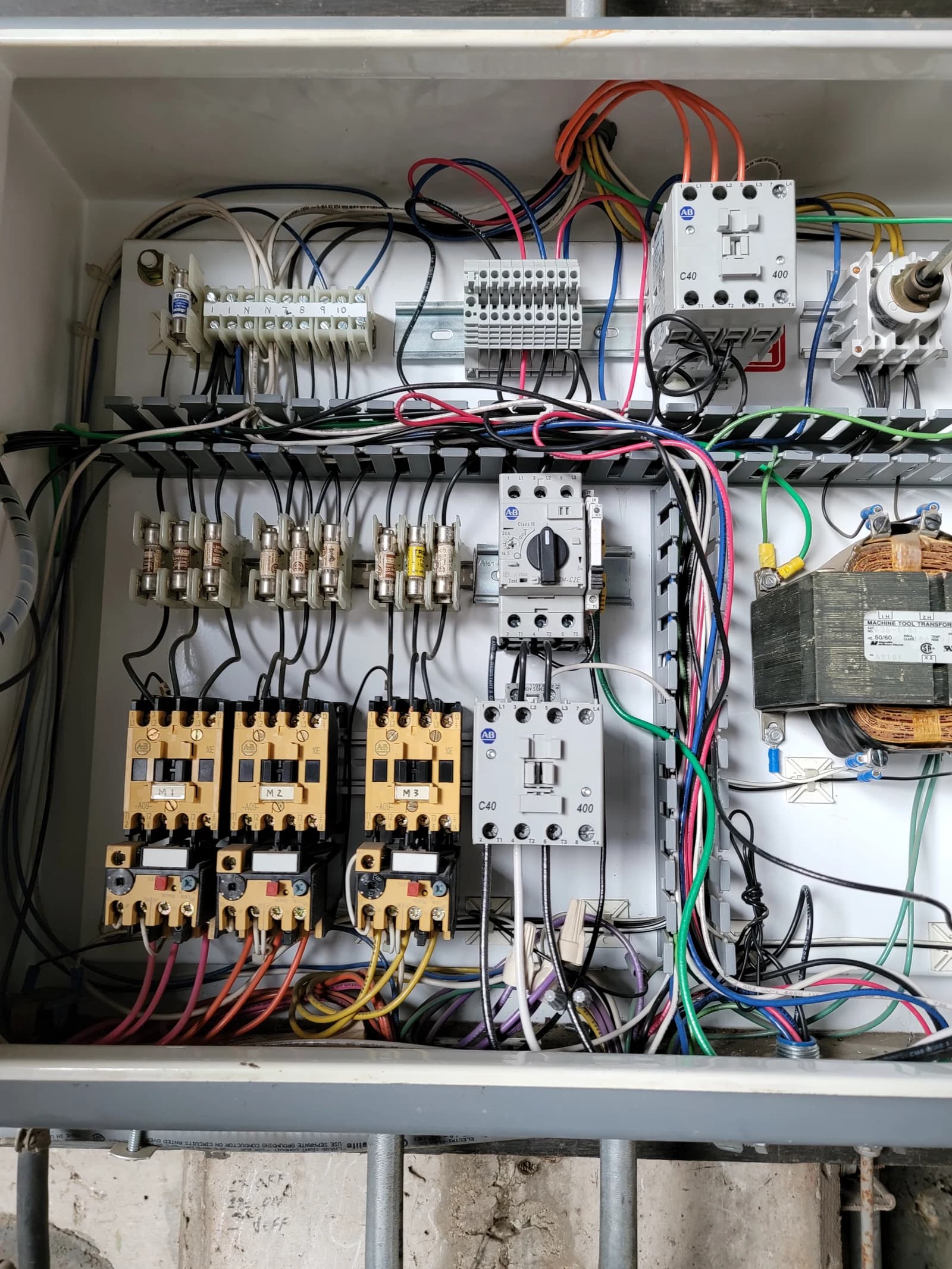
Conduits feeding new commercial kitchen equipment circuits
Rooftop conduit runs for a restaurant build-out by Cali Rollin Electric

Commercial Kitchen Scope

What a Restaurant Build-Out Covers

Scope ItemTypical RequirementPermit Required
Type I hood — fire-suppression interlockNFPA 96 shunt-trip + interlock with Ansul/suppression & make-up airYes
208V three-phase equipment circuitsRanges, ovens, fryers, kettles — sized to equipment nameplateYes
Walk-in cooler & freezer feedsDedicated circuits, condensing-unit disconnects, alarm powerYes
Dishwasher & booster heaterDedicated high-draw circuits per nameplateYes
GFCI at prep & wet locationsNEC 210.8(B) — all kitchen and bar receptaclesYes
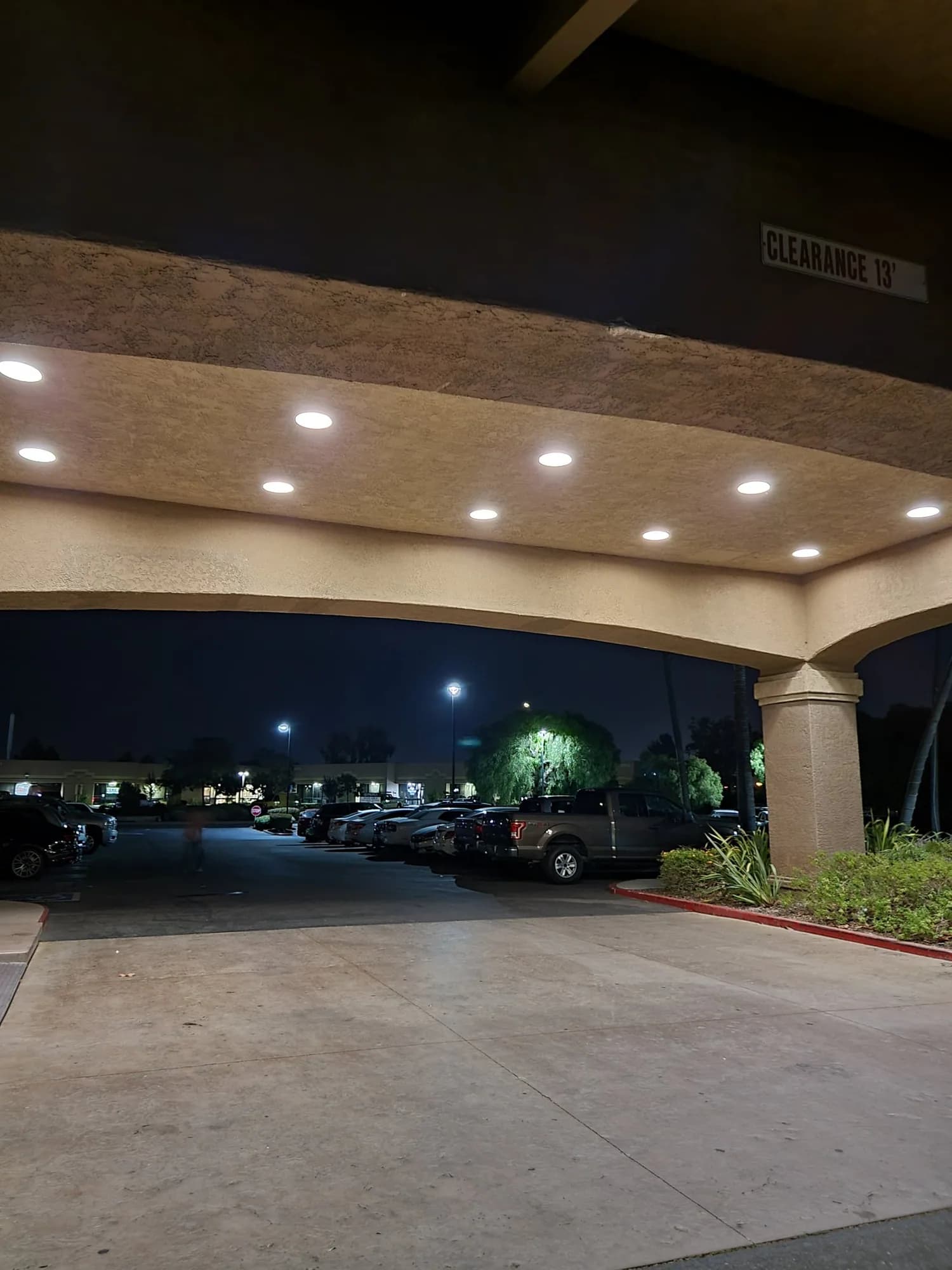
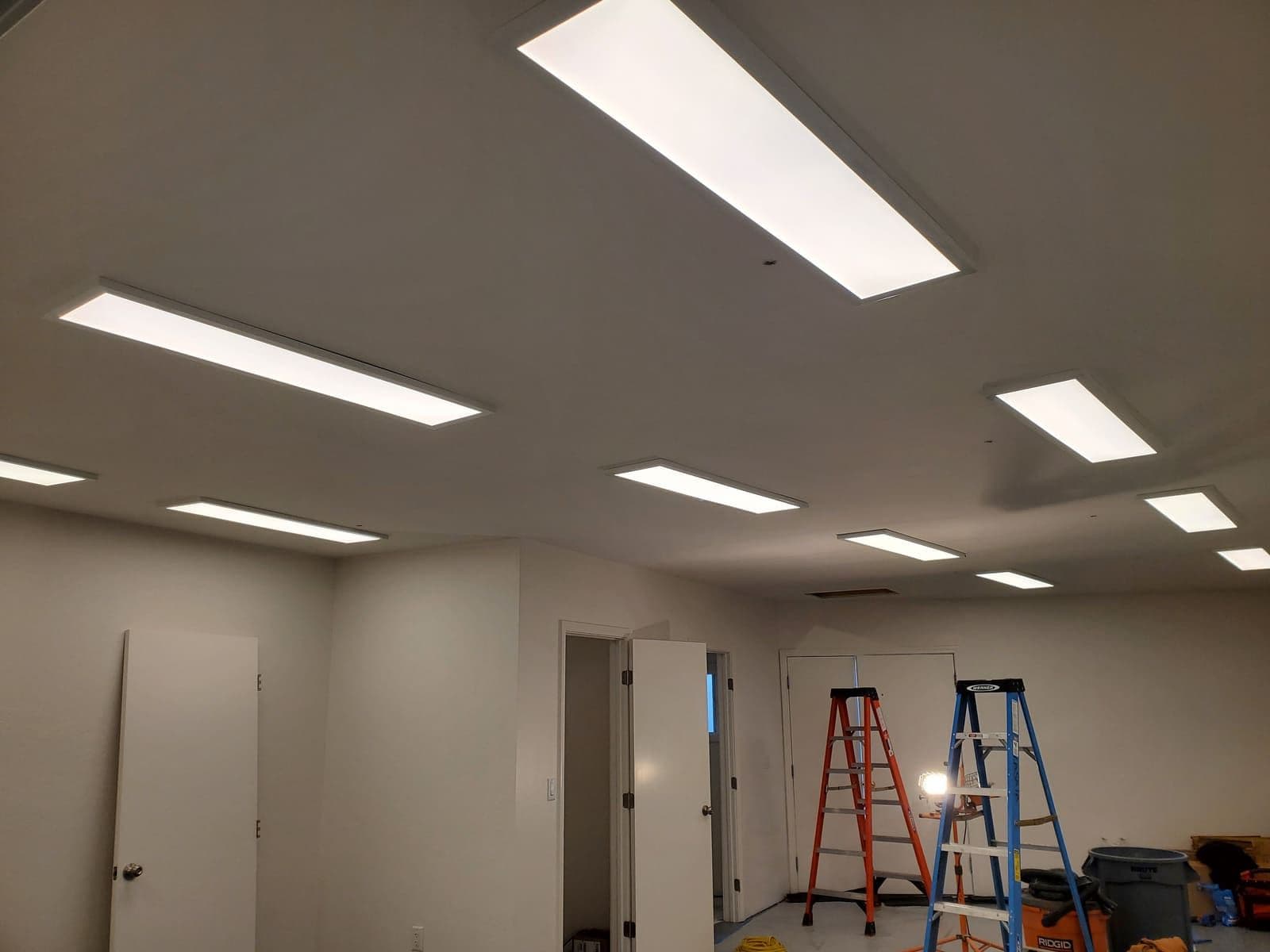
Egress & emergency lightingExit signs + 90-minute battery backup per CBCYes
Kitchen panel / sub-panelNEC 220 load calc for connected equipmentYes
POS & low-voltage rough-inConduit and pull string — coordinated with data vendorNo (low voltage)

How the Work Runs

From Equipment Schedule to Opening Day

A kitchen build-out lives or dies on two dates — the inspection and your opening. We sequence the electrical so the rough passes before walls close and the equipment is connected and tested when it lands.

01
Plan & Equipment Review
We review the kitchen equipment schedule and floor plan, confirm nameplate loads, and check the existing panel against the connected kitchen load.
02
Permit & Load Calc
Electrical permit pulled as the C-10 of record, NEC 220 load calculation prepared, and sub-panel sizing confirmed before rough-in.
03
Rough-In to Schedule
Equipment circuits, hood interlock conduit, refrigeration feeds, and lighting rough-in sequenced so rough inspection passes before walls and ceilings close.
04
Trim, Interlock Test & Final
Device trim, hood shunt-trip and suppression interlock tested, egress lighting verified, and the building and health finals coordinated.

What Drives the Cost

Equipment countEach 208V three-phase appliance is its own dedicated circuit
Hood & suppressionType I hood size and the suppression interlock drive the controls scope
RefrigerationNumber of walk-ins and reach-ins, each needing dedicated feeds and disconnects
Service capacityWhether the existing panel can carry the kitchen load or needs an upgrade
New vs swapA full build-out versus swapping equipment in an existing kitchen

Written, line-item quote after we review your equipment schedule. We don't quote a kitchen before we've seen the equipment list.

Why Cali Rollin Electric

A Kitchen That Passes Final and Opens On Time

The two things that hurt a restaurant build are a failed inspection and a blown opening date — and on the electrical side they usually come from the same handful of items. We build the hood interlock, equipment circuits, and egress lighting right the first time and schedule the work around your open.

C-10 #1144031. Hood interlock tested before final. Built to your open date. 408-614-4451.

Hood interlocks done right
NFPA 96 shunt-trip wiring and fire-suppression interlock — the single item that most often fails a kitchen final.
Equipment circuits to nameplate
208V three-phase ranges, ovens, fryers, and kettles wired to the manufacturer's actual load, not a guess.
Refrigeration & walk-in feeds
Dedicated cooler and freezer circuits, condensing-unit disconnects, and alarm power.
Built to pass final
GFCI placement, egress lighting, and panel labeling done so the building and health finals clear the first time.
We work to your open date
Rough-in sequenced to the GC schedule and trim scheduled around your target opening — including nights and weekends.
15 SCC cities
San Jose, Santa Clara, Sunnyvale, Campbell, Mountain View, and more.

Frequently Asked Questions

Restaurant & Commercial Kitchen Electrical — FAQ

What electrical does a restaurant or commercial kitchen build-out need?+

A restaurant build-out covers far more electrical scope than most owners expect, and almost all of it is on dedicated circuits. The core list includes an NEC 220 load calculation for the kitchen equipment and a panel or sub-panel sized to it, 208V three-phase circuits for ranges, ovens, fryers, kettles, and other high-draw cooking equipment sized to each unit's nameplate, dedicated feeds and condensing-unit disconnects for every walk-in cooler and freezer, dedicated circuits for the dishwasher and its booster heater, the Type I exhaust hood fire-suppression interlock with shunt-trip and make-up air control, GFCI protection at all prep, bar, and wet-location receptacles per NEC 210.8(B), exit signs and emergency egress lighting with battery backup per the California Building Code, conduit rough-in for POS and low-voltage systems, and panel labeling and circuit testing before the final inspection. Cali Rollin Electric handles the full scope as the licensed C-10 contractor and sequences it to your construction and opening schedule.

How do you wire a commercial kitchen exhaust hood and fire-suppression interlock?+

The Type I hood interlock is the single most common reason a commercial kitchen fails its final inspection, so it gets done carefully. Under NFPA 96 and the fire code, activation of the hood's fire-suppression system (the Ansul or equivalent wet-chemical system) must automatically shut off electrical power to all cooking appliances under the hood. We wire this with a shunt-trip breaker or contactor that is triggered by the suppression system's micro-switch, so a suppression discharge de-energizes the equipment instantly. We also coordinate the make-up air and exhaust fan controls so the hood ventilation interlocks correctly with the cooking line. At final, the inspector will physically test the interlock — we test it ourselves before that inspection so there are no surprises on inspection day.

What circuits do commercial ranges, ovens, and fryers need?+

Most commercial cooking equipment runs on 208V, and the larger pieces are three-phase, so a building with only single-phase service sometimes needs a service change before the kitchen can be wired. Every major appliance gets its own dedicated circuit sized to the manufacturer's nameplate rating — we do not assume a load from the appliance type, because two ranges from different manufacturers can draw very differently. We pull the equipment cut sheets, confirm each nameplate, size the conductor and breaker per NEC Article 210 and 220, and provide the correct receptacle or hard-wired connection with a disconnect where required. Getting this right at rough-in matters because the equipment is usually delivered late in the project and the circuits have to be ready and correct when it arrives.

Can you help my restaurant pass its building and health final inspections?+

Yes — passing the final the first time is the whole point, because every failed inspection pushes your opening date and you are usually already paying rent. On the electrical side the items that most often hold a final are the hood suppression interlock, GFCI protection at the required receptacles, emergency egress and exit lighting, and a properly labeled panel schedule. We build to those requirements from rough-in forward and self-test the hood interlock and egress lighting before the inspection. We coordinate the electrical final with the building department and work alongside your general contractor and the health department's plan so the trades' inspections line up instead of bouncing the project back and forth.

Will you work around my opening date and after hours?+

Yes. Restaurant timelines are unforgiving — the opening date is often set before construction finishes, and equipment frequently arrives late. We sequence electrical rough-in to the general contractor's schedule so we are not the trade holding up drywall, and we schedule trim-out and final connections around your target opening, including nights and weekends when that is what it takes to hit the date. If a piece of equipment shows up late, we make the connection when it lands rather than forcing you to wait for the next available slot.

How much does restaurant electrical work cost in San Jose?+

Restaurant electrical is priced off the equipment and the build, not a flat rate, because two kitchens of the same square footage can differ by tens of thousands of dollars depending on what is in them. The main cost drivers are the number of 208V three-phase equipment circuits, the size and suppression complexity of the exhaust hood, the number of walk-ins and refrigeration units each needing dedicated feeds, whether the existing electrical service and panel can carry the kitchen load or need an upgrade, and whether this is a full build-out or an equipment swap in an existing space. We review your equipment schedule and floor plan, perform an NEC 220 load calculation, and provide a written, line-item quote before any work starts. We do not quote a kitchen before we have seen the equipment list.

Start the Conversation

Get a Kitchen Build-Out Quote

Send your equipment schedule and we'll scope it.

Get In Touch

Restaurant Electrical Request

Tell us about your kitchen — concept, equipment list if you have it, and your target opening date. We'll follow up with questions and a scope.

  • NFPA 96 hood interlock— wired and tested
  • Built to pass final— building & health
  • C-10 #1144031— licensed CA contractor
Loading form…

Restaurant Electrical Service Area — Santa Clara County

San JoseSanta ClaraSunnyvaleMountain ViewPalo AltoCupertinoLos GatosSaratogaCampbellMilpitasLos AltosLos Altos HillsMonte SerenoMorgan HillGilroy