Knob and Tube Replacement
Knob and Tube Wiring Replacement in San Jose and Santa Clara County. Ungrounded, Insulation-Blocked, Flagged by Insurers.
Pre-1950 homes across Santa Clara County still carry original knob and tube in walls, attics, and crawl spaces. It is ungrounded, unrated for modern appliance loads, prohibited under blown-in insulation, and flagged by every home inspector in the county. Our team traces every live circuit, replaces it to code, and closes the permit.
- Era knob and tube was installed
- Pre-1950Era knob and tube was installed
- Partial replacement starts at
- $8,000+Partial replacement starts at
- No equipment ground wire
- UngroundedNo equipment ground wire
- Many carriers will not insure
- Insurance riskMany carriers will not insure
Quick answer
Knob and Tube vs Modern Wiring
What knob and tube cannot do
Knob and tube was engineered for a two-wire world with no equipment ground, no GFCI or AFCI protection, and no expectation that anyone would ever pack the cavities with insulation. Every limitation below is structural to the method, which means none of them can be corrected without replacing the wiring.
| Factor | Knob and Tube | Modern Wiring ★ |
|---|---|---|
| Grounding | Two-wire only, no equipment ground | Three-wire with equipment ground |
| Conductor insulation | Rubber and cloth, degrades with age and heat | THHN / NM-B, modern rated insulation |
| Insulation compatibility | Prohibited under blown-in or foamed-in-place insulation (NEC 394) | No restriction |
| GFCI / AFCI compatibility | Cannot be protected the same way on a two-wire circuit | Full GFCI and AFCI protection |
| Load capacity | 14 AWG circuits, not rated for modern appliance loads | Sized to actual calculated load |
| Insurance status | Many carriers will not write or renew with active K&T | No concern |
| Home inspector finding | Always flagged, affects buyer financing | No issue |
The NEC prohibition
NEC Article 394
No insulation over concealed K&T
Loose-fill, rolled batt, and foamed-in-place all fall under the prohibition
Why it matters
Knob and tube relies on open air to shed heat. Insulation traps it. Any energy retrofit that calls for attic insulation is blocked until the wiring is replaced or formally certified.
Insurance impact
Many California carriers will not write or renew a policy on a home with active knob and tube wiring.
Legal status
Not illegal, but heavily restricted
Nobody is going to make you tear out working knob and tube because it exists. The pressure comes from three narrower rules and one judgment call, and homeowners usually meet the rules by accident, in the middle of a project they thought was about something else.
We will not extend it
NEC Article 394 does permit extensions of an existing knob and tube installation, which surprises most homeowners, and our team still will not do it. An extension hangs new work off an ungrounded two-wire circuit with no equipment ground behind any receptacle, fed by rubber and cloth conductors that are 80 or more years old. A new receptacle, a new circuit, or a longer run gets modern grounded cable landed in a junction box instead. That is why one added outlet so often exposes how much original wiring is still live.
It cannot be buried under insulation
NEC Article 394 prohibits concealed knob and tube in wall, ceiling, and attic cavities where loose, rolled, or foamed-in-place insulation envelops the conductors. California allows a narrow certification exception, covered below, and it is a paperwork exception rather than a free pass.
It cannot stay inside a permitted remodel
Pull a permit for a kitchen, a bath, or an addition and the wiring inside that work area comes up to current code. Knob and tube in the remodel footprint gets replaced, which is how a cosmetic kitchen project turns into a partial rewire once the walls are open.
Most carriers will not accept it
Nothing in the electrical code forces you to replace working knob and tube. Your insurance carrier can, and increasingly does. Underwriting pressure, not code enforcement, is what drives the majority of the replacements we are called out for across the county.
The insulation certification, honestly
This is the question we get most, and it usually arrives the day an insulation crew stops at the attic hatch. Knob and tube was built to shed heat into open air. The conductors run separately, spaced off the framing on porcelain knobs, with air on every side. Pack insulation around them and that heat has nowhere to go, on conductors whose rubber and cloth covering is already 80 or more years old and brittle.
California allows insulation over existing knob and tube only through a formal certification. An electrical contractor licensed by the State of California inspects the wiring and certifies in writing that it is in good condition, with no deterioration, no improper overcurrent protection, and no improper splices, and that certification is filed with the local building department. The insulation contractor then posts a caution notice, in both English and Spanish, at every accessible area where insulation was installed around the wiring, and the insulation itself has to be noncombustible as defined in the California Building Code with no electrically conductive material in it or supporting it. If the inspection turns up deterioration anywhere in the run, the certification cannot be issued until the problem is repaired or the wiring is replaced.
Two things worth knowing before you spend money on that path. It certifies a condition on one day, and it does not make the wiring grounded, AFCI-protectable, or rated for what a 2026 kitchen asks of it. And most carriers do not accept a certification in place of replacement, so the paperwork frequently does not solve the problem that started the conversation. We will tell you which of the two paths actually fits your situation before you commit to either.
Pre-1950 housing stock
Where old knob and tube wiring is still live
Santa Clara County's pre-1950 housing stock is where this lives: Craftsman bungalows, Spanish revival cottages, farmhouse-era homes, and the first small ranch houses built before the postwar tract boom. Knob and tube was the standard method from roughly 1890 into the late 1930s, and it kept going into homes built through the 1940s. Homes built after about 1950 generally have early two-wire NM cable instead, which is also ungrounded but is a different assembly and a different conversation. If your home predates the war and has never been fully rewired, assume some knob and tube is still energized until a circuit tracer says otherwise.
Attics
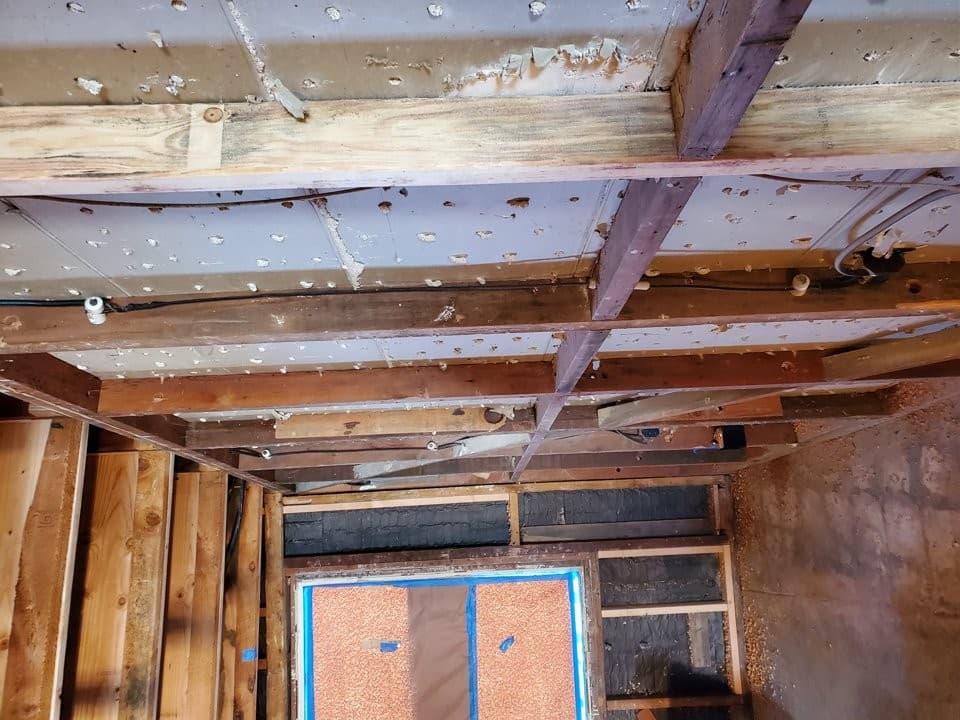
Single conductors strung along the joists on porcelain knobs, passing through framing inside ceramic tubes. This is where knob and tube is most often still energized, and where an insulation crew stops work at the hatch and tells you to call an electrician.
Wall cavities
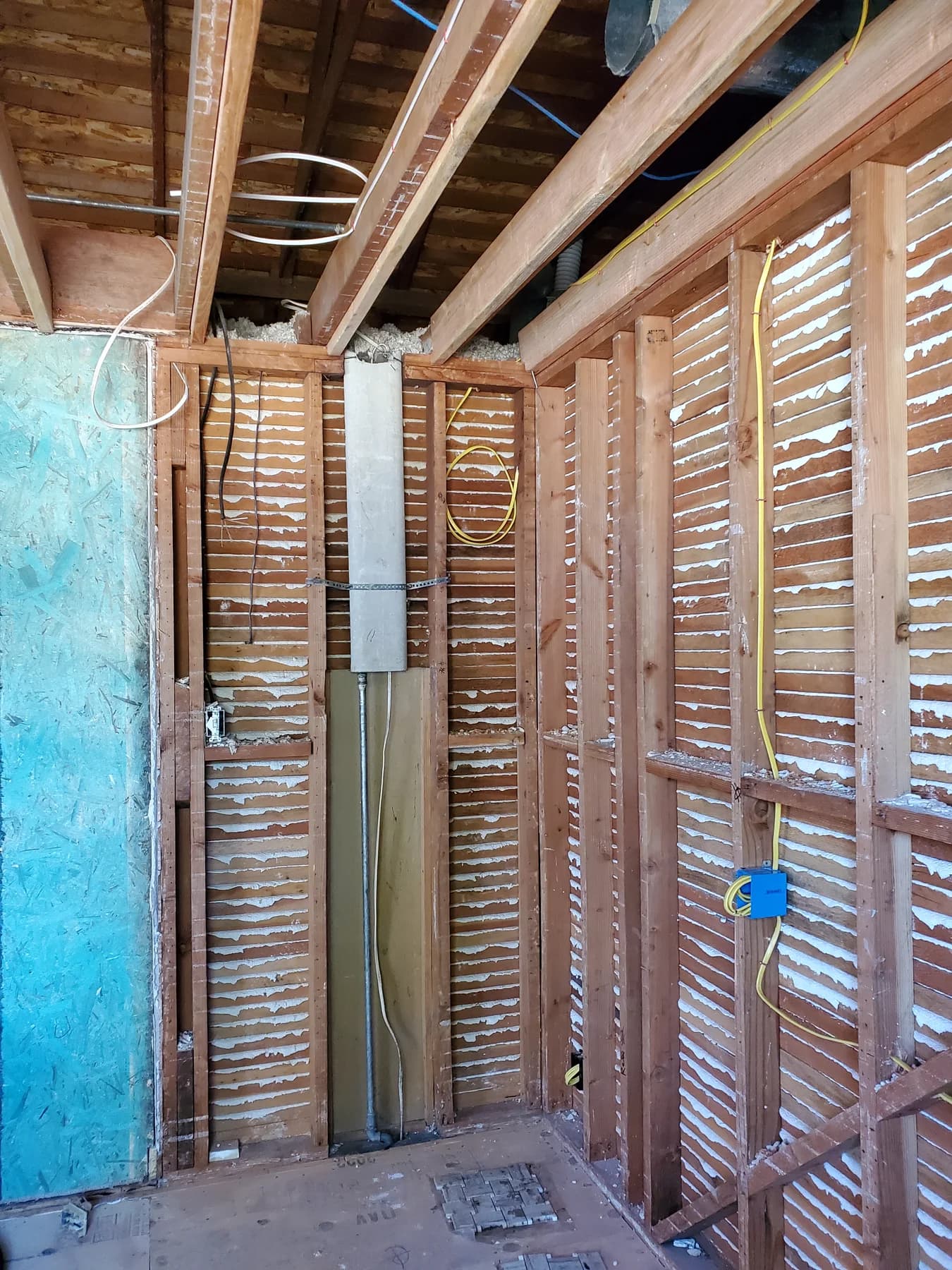
Conductors running through stud bays with the hot and the neutral deliberately separated, sometimes on opposite sides of the same wall. Fishing new cable through those bays without opening plaster is the skilled part of this work.
Basements and crawl spaces
The most visible runs in the house, and where earlier partial rewires usually stopped. Seeing modern cable at the crawl space hatch proves very little about what is still live above the ceiling.
Behind later remodels
Mid-century kitchen and bath updates were routinely spliced into the existing knob and tube. A splice between old and new wiring, taped inside a wall cavity with no junction box, is a common find and a legitimate hazard.
Partial rewires are extremely common in homes this old, and they are good news for your budget. A house that was half rewired in the 1970s only needs the remaining live circuits addressed. The assessment separates what is energized from what was abandoned decades ago, and that split is usually the difference between a partial and a whole-house number.
An original fuse box is the other signal worth acting on. A fuse box and old knob and tube wiring were installed in the same era, so a home that still has its original service very often still has original circuits behind it. The reverse is just as common: a breaker panel was fitted in the 1980s and nothing behind it changed. Either way the panel only describes the service, so we trace the circuits back from it rather than reading the cover.
Insurance and resale
What your carrier and a buyer's lender are looking for
Insurance, not code enforcement, is what turns knob and tube from a background fact into a deadline. New applications on homes with active K&T are declined by most major carriers, and existing policyholders get non-renewal notices with 30 to 90 days to rewire or lose coverage. Carriers treat it as an unacceptable underwriting risk whether or not anything has ever gone wrong in the home.
Home sales run into the same wall from the other direction. A home inspector will flag knob and tube every time, an appraiser or lender will ask whether the home is insurable, and a buyer who cannot bind coverage cannot close. Deals that are already in escrow when K&T surfaces tend to turn into a price renegotiation, a repair credit, or a rushed rewire on the seller's dime.
Neither the carrier nor the lender wants a story. They want a document. That is why the deliverable at the end of a replacement matters as much as the wire: a permit that closed, an inspection that passed, and a written scope stating what was replaced and that no energized knob and tube remains. We build that package as part of the job, not as an afterthought when your renewal date is two weeks out.
If a non-renewal notice is already running, tell us the date on it when you call. Permit approval and inspection scheduling are the two steps we cannot compress, so a known deadline changes how we sequence the work.
Your permit close package
- Permit number and final sign-off from your city or county building department.
- Written scope of circuits replaced, room by room, so nothing is ambiguous later.
- Statement on remaining knob and tube, confirming what was de-energized, removed, or capped.
- Panel and service documentation if the panel was replaced or upgraded during the same project.
What to budget
Scope and cost defined before any work
Replacement cost is driven almost entirely by scope: how much of the wiring is still energized, where it runs, and what the access looks like in the attic and crawl space. A partial replacement focused on the kitchen, bathrooms, and visible runs starts around $8,000 to $14,000. A whole-house replacement in a 1,500 to 2,500 square foot home runs $15,000 to $25,000 or more.
Access is the biggest variable. Open-joist attics with reachable runs are straightforward. Knob and tube buried in finished walls under plaster and lath means more invasive work or creative routing through adjacent spaces, and plaster is slower to work than drywall in every direction. We document both conditions before quoting, so the number you sign is the number that holds.
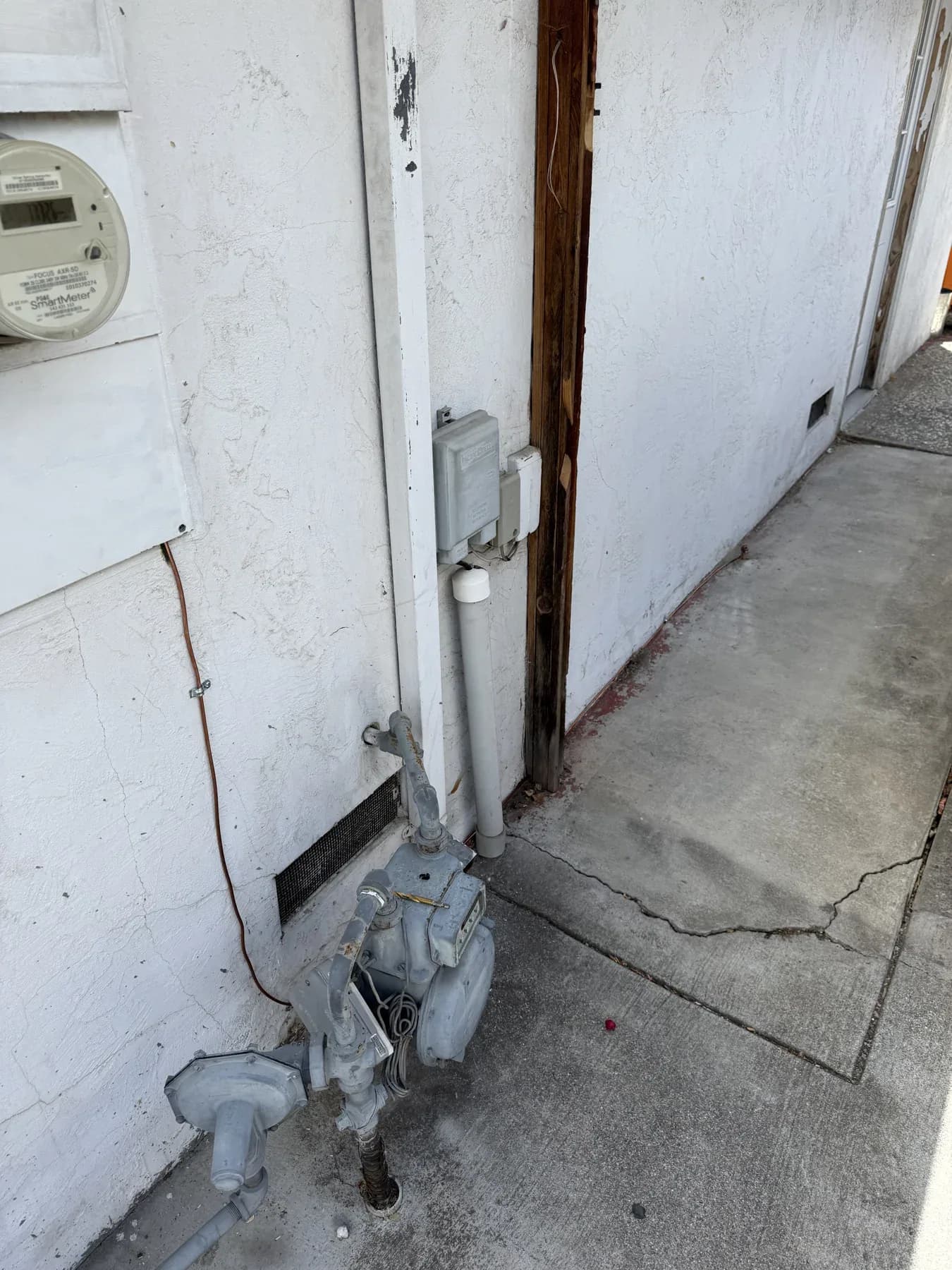
Most of these projects benefit from a panel evaluation at the same time. Homes still on original knob and tube frequently still have the original service too, and adding circuits to a full fuse panel is not an option. Doing both on one permit costs less than doing them as two separate jobs a year apart.
01
Full K&T Assessment
Every active and inactive knob and tube circuit traced and mapped. Attic, crawl space, and walls assessed. Scope and cost defined before any work.
02
Permit Filing
Permits filed for every replacement circuit. Approval across Santa Clara County jurisdictions typically runs 5 to 15 business days. No work starts before the permit is in hand.
03
Replacement
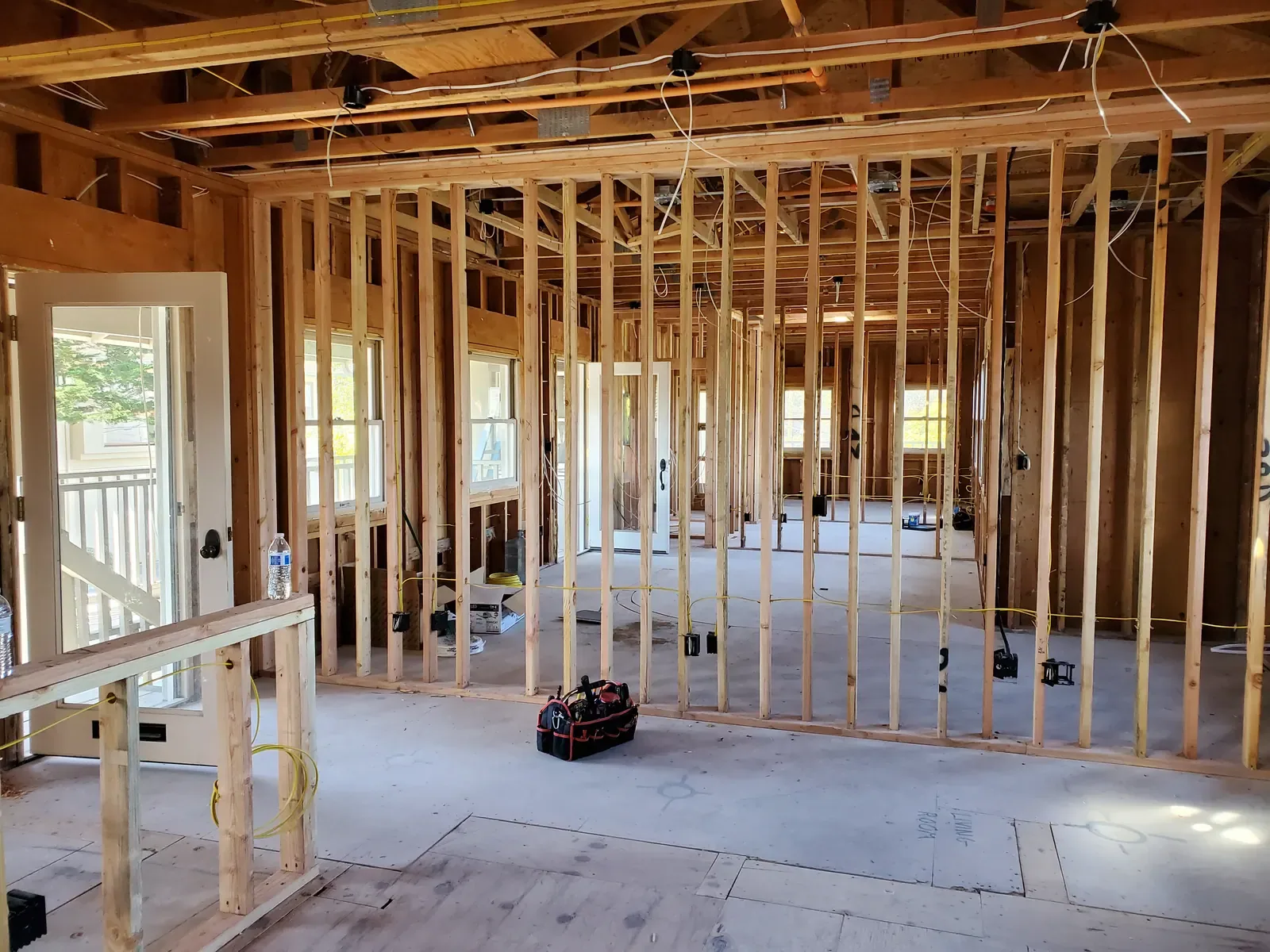
Replaced circuit by circuit. New NM-B or conduit run to the existing boxes. Attic and crawl space runs replaced, or removed and capped where they are abandoned.
04
Inspection and Insulation Clearance
Rough-in and final inspections coordinated. Permit close documents delivered. Your insulation contractor can now proceed with no NEC prohibition in the way.
| Scope | Range |
|---|---|
| Partial replacement: kitchen, bathrooms, visible runs | $8,000 – $14,000 |
| Whole-house knob and tube replacement | $15,000 – $25,000+ |
| Attic / crawl space K&T removal (non-active) | $2,000 – $5,000 |
| Panel upgrade performed at the same time | Add $1,500 – $3,000 |
| Permit, varies by jurisdiction | $500 – $1,000 depending on jurisdiction |
Permits vary by city and typically add $500 to $1,000 depending on jurisdiction. A written quote is provided before any work begins, and drywall or plaster patching, texture, and paint are handled by a separate finish contractor after the final inspection.
Knob and tube replacement itself does not carry a rebate. What can qualify is the new work that rides along with it: in Silicon Valley Clean Energy member cities, the SVCE Home Rebates add-on rebates ride on top of a core appliance: install at least one qualifying heat pump, heat pump water heater, or induction appliance, and the EV-charger prewire add-on pays $500 while an electrical infrastructure upgrade such as a panel pays $1,000. Income-qualified customers can receive up to an additional $1,000 per appliance, and Los Altos, Milpitas, Mountain View, and Sunnyvale publish their own amounts on top. SVCE member cities only, so it does not apply in San Jose (SJCE), Santa Clara (Silicon Valley Power), or Palo Alto (CPAU), and funding is limited. We confirm what is active for your address at quote time.
Why Cali Rollin Electric
Our knob and tube wiring services, end to end
Knob and tube replacement is one of the most technically demanding residential projects there is: hidden circuits traced through finished walls, two inspections to coordinate, and a documentation package that has to satisfy an underwriter who never sets foot in the house. Getting it wrong means a failed inspection, live circuits nobody found, and a permit that never closes. Our team, with 15+ years in the trade, maps and documents every circuit, pulls and closes every permit, and hands you a replacement record you can give an insurer, a buyer's agent, or a title company.
Full permit package
Every replacement requires permits and a final inspection. We file, schedule, and close all of it.
Attic and crawl space work
K&T is most active in the places you cannot easily see. We document every run we find.
Insulation clearance
After replacement, your insulation contractor can blow in attic insulation without the NEC prohibition.
Panel assessment included
We evaluate service capacity at the same visit, since pre-1950 homes commonly need both.
Homeowner documentation
A complete permit close package, ready for your insurer, your HOA, or a home sale.
All 15 cities served
Every incorporated city across Santa Clara County, one standard.
Related work
Not the right fit? Here is where to go next
Whole-house rewire
When the scope goes past the K&T circuits and the whole house comes up to current code at once.
Panel upgrade
Pre-1950 homes usually pair a rewire with a service upgrade. Here is what that job involves.
Aluminum wiring replacement
The other legacy wiring insurers flag, found in homes wired between roughly 1965 and 1973.
Pre-sale electrical clearance
Selling a home where the inspection report called out knob and tube? Start here.
All residential services
See the full Sanctuary lineup: panels, EV charging, rewires, generators, and more.
Serving homeowners across Santa Clara County.
Common questions
Knob and tube wiring: FAQ
Is knob and tube wiring illegal?
No, knob and tube wiring is not illegal, but it is prohibited in new construction and heavily restricted under current California code. Existing K&T is permitted to remain in place as long as it is not actively unsafe, modified, or covered by insulation without proper certification. The practical reality in 2026 is that it has become very difficult to insure a home with active K&T. The code does permit extensions of an existing K&T installation, but our team will not put new work on ungrounded wiring, so any new circuit we run uses modern grounded cable. K&T cannot be buried under insulation without an electrical contractor licensed by the State of California certifying its condition in writing to the local building department. And it cannot remain in any remodeled area that requires a permit.
Can I just add insulation over knob and tube wiring?
Not freely. It requires a formal certification process and carries real risk. Knob and tube was designed to dissipate heat into open air. Covering it with insulation traps that heat against the conductors and can cause a fire. Under the California Electrical Code, insulation may be installed over existing K&T only if an electrical contractor licensed by the State of California inspects the wiring and certifies in writing that it is in good condition with no deterioration, no improper overcurrent protection, and no improper splices, that certification is filed with the local building department, and the insulation contractor posts a caution notice, printed in both English and Spanish, at all accessible areas where insulation was installed around the wiring. The insulation itself has to be noncombustible as defined in the California Building Code and cannot have any electrically conductive material as part of it or supporting it. If the inspection finds any deterioration, insulation cannot go in until repairs or replacement are completed. Most insurance carriers will not accept a certification as a substitute for full replacement.
How much does knob and tube replacement cost in Santa Clara County?
Cali Rollin Electric pricing for knob and tube replacement in Santa Clara County: partial replacement covering the kitchen, bathrooms, and visible runs runs $8,000 to $14,000. Whole-house K&T replacement runs $15,000 to $25,000 or more depending on home size. Attic and crawl space K&T removal for non-active wiring runs $2,000 to $5,000. Adding a panel upgrade at the same time adds $1,500 to $3,000. Permits vary by city and typically add $500 to $1,000 depending on jurisdiction. All pricing is provided in a written quote after a full circuit assessment.
Will my insurance be canceled because of knob and tube wiring?
It is a growing risk across the Bay Area. New policy applications on homes with active K&T are now declined by most major carriers, and existing policyholders are receiving non-renewal notices that give 30 to 90 days to rewire or lose coverage. Carriers treat active knob and tube as an unacceptable underwriting risk regardless of whether anything has ever gone wrong in the home. Real estate transactions stall for the same reason, because a lender will not fund a mortgage on a home that cannot be insured. The remedy carriers reliably accept is replacement of the live circuits, documented with a closed permit.
Does all knob and tube need to be replaced, or just the active circuits?
Technically only active, meaning energized, K&T circuits must be addressed. Inactive, disconnected wiring that carries no current poses no fire risk and can legally remain in the walls. In practice, if your goal is insurance compliance, most carriers want written confirmation that no live K&T remains anywhere in the home, and a partial rewire that leaves some energized K&T in service will not satisfy them. During the free assessment, our team maps all active K&T circuits with a circuit tracer, separates what is truly live from what was abandoned years ago, and gives you a clear scope. Homeowners are often surprised to find that parts of the house were already rewired at some point, which reduces both scope and cost.
How long does knob and tube replacement take?
On-site electrical work takes 3 to 15 working days depending on home size and access. The full project timeline from first call to final inspection runs 4 to 10 weeks for most Santa Clara County single-family homes once permitting and inspections are factored in. Permit approval typically takes 5 to 15 business days depending on the jurisdiction. Plaster walls in older homes require slower, more careful wire fishing. Two city inspections are required, a rough-in inspection before walls are closed and a final inspection after completion. Drywall patching and painting by a separate contractor follows electrical sign-off. You can stay in the home during the rewire in most cases, because our crew works room by room to keep the rest of the house functional.
How do I know if my home has knob and tube wiring?
The clearest sign is visual. In an unfinished attic or basement, look for single conductors, not a cable bundle, strung along the framing and supported by white porcelain knobs, passing through joists inside ceramic tubes. The conductors are covered in rubber and cloth rather than modern plastic, and the hot and neutral are run separately with air between them. Other indicators: two-prong ungrounded receptacles throughout the home, a fuse panel rather than breakers, and a build date before about 1950. None of those is proof on its own, because many homes have been partly rewired, so the only reliable answer comes from tracing circuits back to the panel. That is what the free assessment does.
Will you have to open up my walls and ceilings?
Some access is unavoidable, and the goal is to keep it minimal and in predictable places. Most new cable is fished through attics, crawl spaces, and closets, with small openings cut at switch, outlet, and junction locations and at the top and bottom of wall bays where fishing is blocked by fire blocking. Plaster and lath takes more care than drywall and is the reason older homes take longer. We walk the planned access points with you before work begins, so nothing gets cut that you have not seen on the plan. Drywall or plaster patching, texture, and paint are handled by a separate finish contractor after the final electrical inspection, and we tell you that up front rather than at the end.
My house still has a fuse box. Does that mean it has knob and tube wiring?
Not on its own, but the two travel together often enough to be worth checking. A fuse box was the standard service equipment in the same era knob and tube was the standard wiring method, so a pre-1950 home that never had its service replaced frequently still has original circuits live in the attic and the wall cavities. The reverse happens just as often: the fuse box gets swapped for a breaker panel while the wiring behind it is left exactly as it was, which is why a modern panel proves nothing about what is in the walls. A fuse box is a strong reason to look, not an answer by itself. Our team traces the circuits back from the panel during the free assessment so you get a finding rather than an inference, and if the fuse box is still in service we run a load calculation at the same visit, because a rewire adds circuits an original 60-amp or 100-amp fuse box has no room for.
Is old knob and tube wiring safe to leave in the walls?
It depends entirely on whether it is still energized. Old knob and tube wiring that was disconnected years ago carries no current, poses no fire risk, and can legally stay where it is. Energized old knob and tube wiring is a different matter: the rubber and cloth covering on those conductors is 80 or more years old and has spent decades getting brittle, there is no equipment ground behind any receptacle it feeds, and later remodels routinely spliced modern cable onto it inside wall cavities with no junction box. For most Santa Clara County homes the honest answer is that the live circuits need to go and the abandoned runs can stay, unless they sit in the way of an attic insulation job. The assessment separates the two before anything is quoted.
Does a knob and tube replacement require a panel upgrade too?
Not always, but the two often travel together. Homes still on original K&T frequently still have the original service as well, commonly a 60-amp or 100-amp fuse panel with no room for the additional circuits a modern rewire adds. If the existing panel is sound, has capacity, and has open positions, the rewire can land on it. If it is a fuse panel, an obsolete or hazardous brand, or already full, replacing it during the rewire is far cheaper than doing it as a separate job later, and it adds roughly $1,500 to $3,000 to the project. Our team runs a load calculation during the same assessment so the answer is a number, not an opinion.
Get started
Get a free knob and tube assessment
Tell us the age of the home, what you have seen in the attic or basement, and whether an insurer or an inspection report started this. Our team responds the same day during business hours, traces the live circuits on site, and gives you scope, cost, and timeline before any work begins. There is no charge to find out where you stand.