Federal EV charger tax credit expires June 30, 2026 — schedule your installation before it's gone. Call 408-614-4451
Federal 30C Tax Credit — 30% off installation, up to $1,000 — expires June 30, 2026

Your EV Deserves a Better Charger Than a Wall Outlet.

Level 1 wall charging adds 3 to 5 miles of range per hour. A Level 2 charger adds 25 to 30. Most San Jose homes are ready for a 240V install today.

3–5 mph

Level 1 wall outlet

25–30 mph

Level 2 dedicated circuit

$750

Standard Level 2 install

2–4 hr

Typical install time

  • C-10 #1144031Licensed
  • Bonded& Insured
  • 15+ YearsExperience
  • Santa Clara CountyService Area

Charging Options

Why Level 1 Is a Backup Plan, Not a Charging Solution

A standard 120V outlet was never designed for daily EV charging. The numbers make the case plainly.

FeatureLevel 1 — 120VLevel 2 — 240V ★
Voltage120V240V
Typical amperage12–16A32–50A
Miles of range per hour3–5 miles25–30 miles
Full charge from empty20–40+ hours4–8 hours
Permit requiredNo (existing outlet)Yes — new dedicated circuit
Best use caseOccasional top-offs onlyDaily primary charging
NEC circuit requirementExisting 120V outletDedicated 240V / 50A breaker

The Math

Charge 60 miles with Level 1

12–20 hours

Charge 60 miles with Level 2

2–2.5 hours

For a driver commuting 40 miles/day, Level 1 requires the car to be plugged in for 8–15 hours to fully recover. Level 2 recovers that range in under 2 hours.

Most San Jose homes are ready for 240V today.

Get a free assessment →

What to Budget

What Makes One Install $750 and Another $3,000

The largest cost variable is wire run distance from your electrical panel to the charger location. A garage directly adjacent to the panel is a straightforward install. A detached garage 60 feet away with an underground conduit run is a different project entirely.

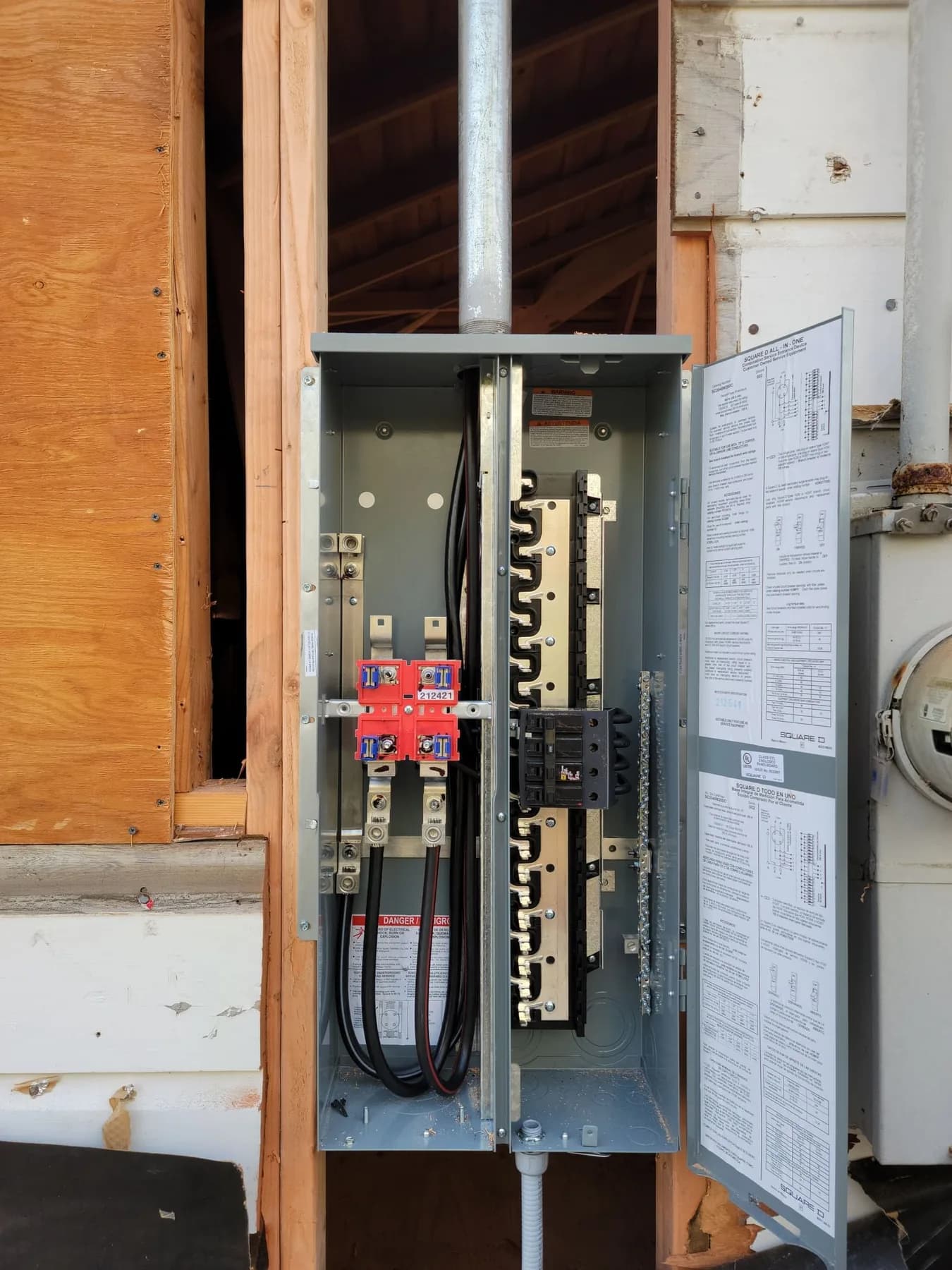
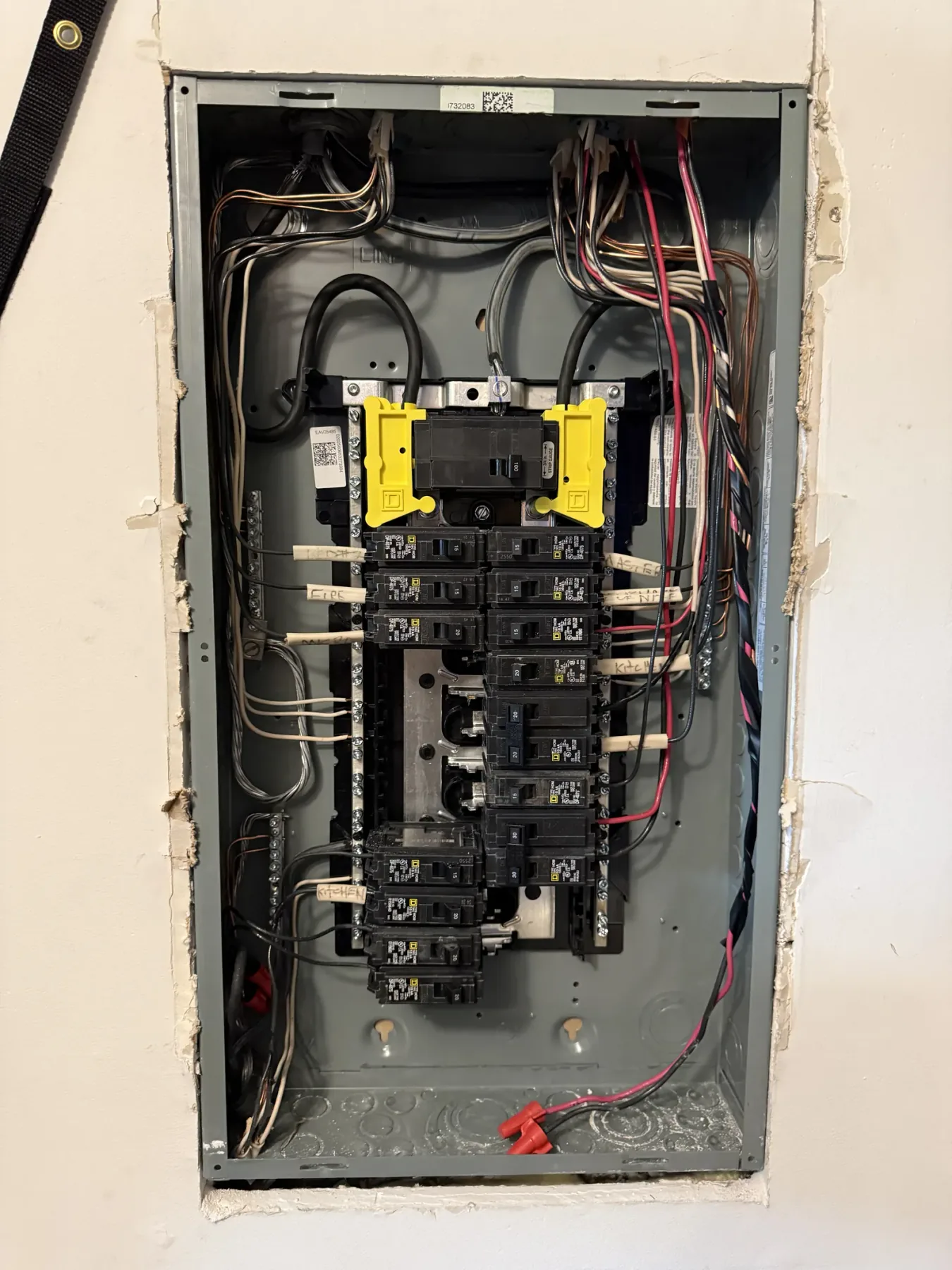
Panel capacity is the second variable. Pre-1990 homes in San Jose frequently have 100A service panels. Adding a 240V / 50A breaker to a panel that's already near capacity requires a load calculation — and sometimes a service upgrade. We assess this at the free estimate. No surprises on installation day.

Charger type matters too: a NEMA 14-50 outlet install is simpler than a hardwired EVSE, but both require the same permit and inspection process.

01

Free On-Site Assessment

Panel capacity evaluation, charger location, conduit routing, utility requirements. No charge. We identify everything before quoting.

02

Written Quote & Permit

Written quote before any work begins. Permit filed with City of San Jose — typically 1–5 business days. No permit, no work.

03

Installation Day

Circuit run from panel to charger location. NEMA 14-50 or hardwired EVSE per manufacturer specs and NEC. Typically 2–4 hours.

04

Inspection & Close

City inspection coordinated. Permit close documentation delivered — code-compliant install record for your insurer, HOA, or home sale.

Installation Costs — Santa Clara County

ScopeRange
Standard Level 2 – Customer provides charger, outlet already in place$750
Customer provides charger, we install (NEMA 14-50)$750 – $1,250
Supply & Install (Tesla, ChargePoint, Emporia, etc.)$1,500 – $3,000
Underground run / Detached garage$750 – $2,000
Panel upgrade (add-on)$5,500 – $8,000
Permit (varies by SCC city)$500 – $1,000 depending on jurisdiction

Written quote provided before any work begins.

Get a Written Quote
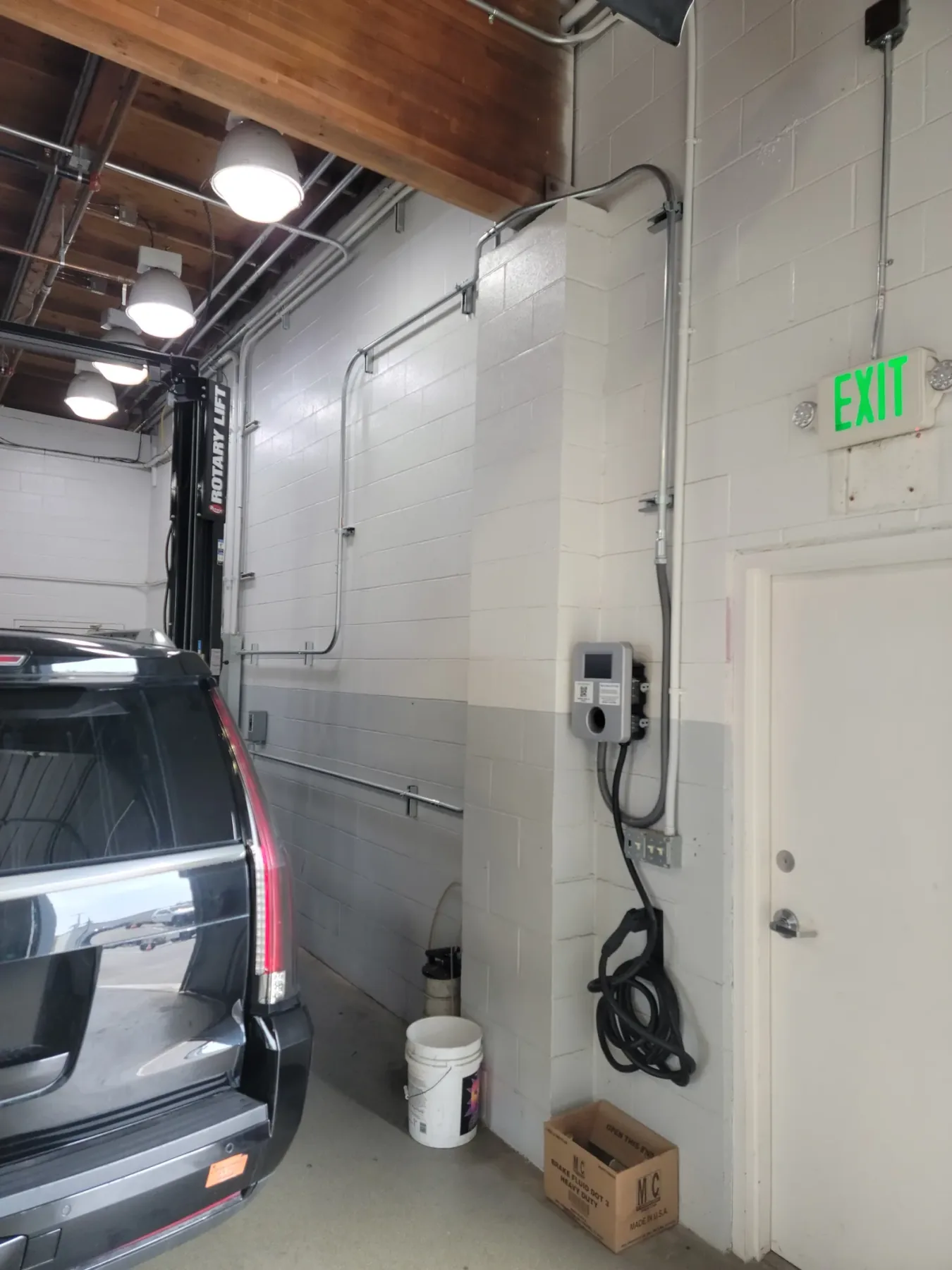
EV charger installation in Seaside, CA
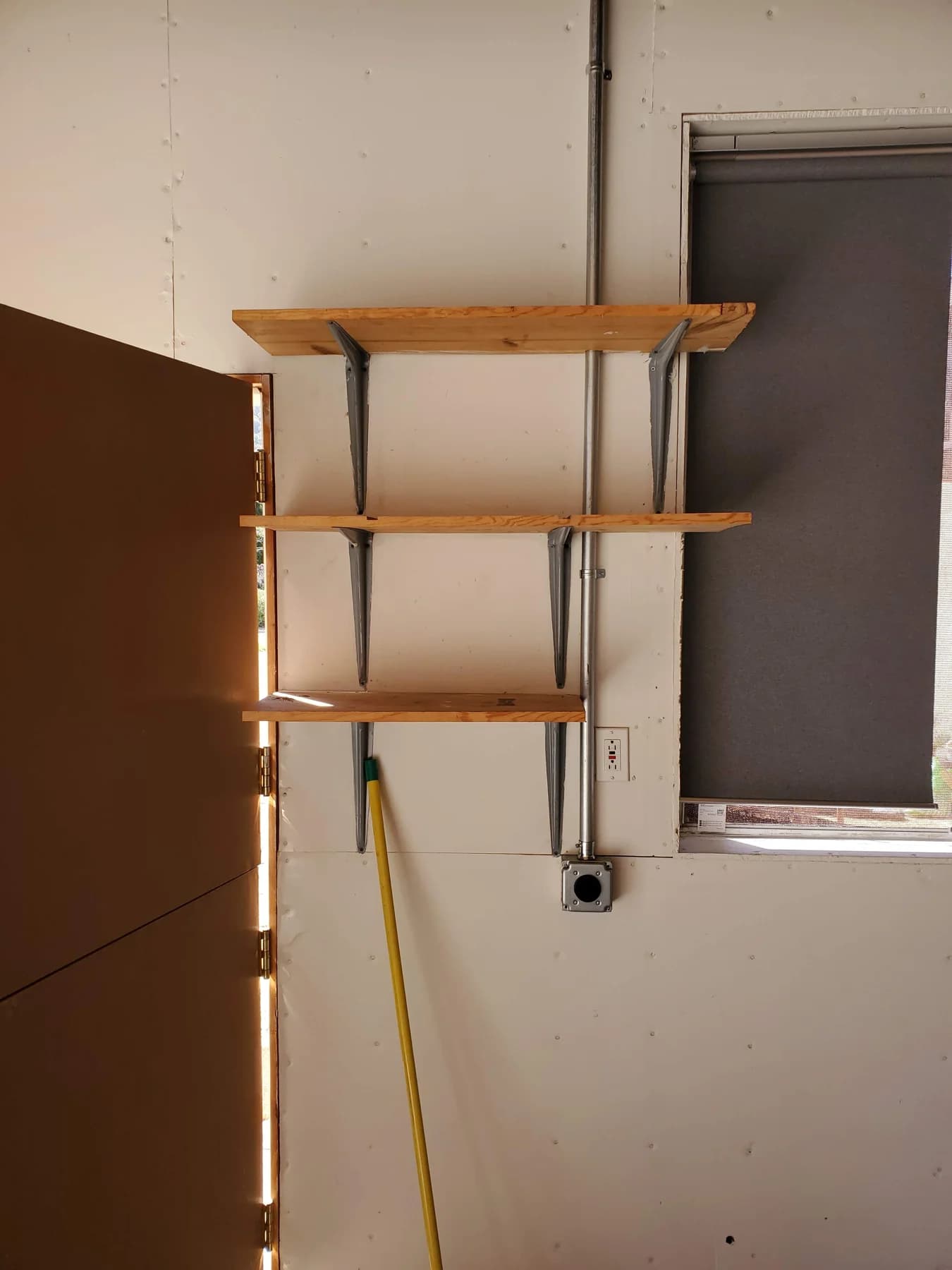
EV charger installed around existing garage shelving
Tesla Wall Connector installed at a residential property

Charger Brands

We Install All Major EV Charger Brands

Supply-and-install or customer-supplied hardware. We're brand-agnostic — the right charger is the one that fits your car, your garage, and your panel.

Tesla Wall Connector

Gen 3 · 48A hardwired · NEMA 14-50 adapter available

ChargePoint Home Flex

6–50A adjustable · NEMA 14-50 or hardwired · WiFi

Emporia Smart Charger

48A hardwired · load management · energy monitoring

Grizzl-E Classic / Smart

24A or 40A · IP67 rated · durable outdoor enclosure

Enel X JuiceBox 40 / 48

40A or 48A · smart connectivity · ENERGY STAR

Customer-supplied hardware

We install equipment you purchase — any brand

Financial Incentives

Rebates That Currently Apply in Santa Clara County

San Jose homeowners on PG&E delivery / SJCE generation service can stack multiple incentives. The Federal 30C tax credit alone offsets 30% of equipment and installation cost, capped at $1,000 — but it expires June 30, 2026.

Rebate programs change faster than any web page gets updated. We verify current eligibility at the time of your estimate so you capture everything that applies to your specific installation.

Federal 30C Credit expires June 30, 2026

After that date, the 30% credit goes away. Installations completed before the deadline are eligible. Don't leave $1,000 on the table.

Applicable Programs

ProgramValue

Federal 30C EV Charger Tax Credit

Expires June 30, 2026

30%, up to $1,000

Silicon Valley Power (SVP) Rebate

Santa Clara city customers

$550 / station

SVCE / SJCE Time-of-Use Rate Savings

Not cash — lower overnight rate

Rate reduction

PG&E EV Time-of-Use (EV2-A)

EV-specific TOU plan

Rate reduction

Programs change. Eligibility verified at estimate.

Why Cali Rollin Electric

What We Bring to Every EV Install

Most electrical contractors are scheduling platforms. They take your call, send whoever's available, and move on. You don't get a name. You don't get accountability. You get a technician you've never met doing work on your home's electrical system.

Our team. One license. One direct line. You reach the crew that does the work — before the estimate, on installation day, and after the permit closes.

Common Questions

EV Charger Installation FAQ

What is the difference between Level 1 and Level 2 EV charging?

Level 1 uses a standard 120V household outlet and delivers 2–5 miles of range per hour — practical only for plug-in hybrids or drivers with very short daily commutes. Level 2 operates at 240V and delivers 10–60 miles of range per hour, allowing a fully depleted battery to recharge overnight. Level 2 requires a dedicated 240V circuit installed by a licensed electrician. For any driver who relies on their EV daily, Level 2 is the standard choice.

Do I need a panel upgrade for a Level 2 EV charger?

Most homes do not need a panel upgrade, but it depends on your current panel's capacity. A standard Level 2 install requires a dedicated 240V circuit and roughly 40–50 amps of available capacity. A 200A panel with open slots is likely sufficient. A 100A panel often needs upgrading. Hazardous panels like Federal Pacific or Zinsco should be replaced regardless. Smart chargers with Dynamic Load Balancing can sometimes avoid the need for a panel upgrade entirely. Cali Rollin Electric performs a load calculation during the free estimate to give you a precise answer.

Are there rebates for EV charger installation in San Jose?

San Jose area homeowners have access to several incentives. The Federal 30C Tax Credit covers 30% of total charger and installation cost, capped at $1,000 for residential installs in qualifying census tracts — it expires June 30, 2026. Silicon Valley Power (SVP) offers a $550 per station rebate for Santa Clara city customers. SVCE and SJCE customers may qualify for Time-of-Use rate reductions that lower overnight charging costs. PG&E customers can enroll in the EV2-A Time-of-Use plan for EV-specific rate savings. Cali Rollin Electric can help document the installation for rebate applications.

How long does EV charger installation take?

For a typical residential Level 2 installation with no major electrical complications, on-site work takes 2–4 hours. If a panel upgrade or significant rewiring is involved, it can extend to 6+ hours but is almost always completed in one day. From first contact to a fully operational charger — including permit issuance, scheduling, and inspection — the overall process typically spans 1–2 weeks for a straightforward residential install.

What charger brands do you install?

Cali Rollin Electric installs all major UL-listed Level 2 charger brands including ChargePoint, Emporia, Tesla Wall Connector, Wallbox, and Grizzl-E. Brand selection depends on your vehicle type, whether you want smart load-management features, and future plans for solar. During the free estimate we can recommend the right unit for your specific panel, parking setup, and charging needs.

Is a permit required for EV charger installation in San Jose?

Yes — a permit is required for Level 2 EV charger installation in San Jose. The City of San José mandates an electrical permit for all Level 2 (240V) charging station installations at residential properties. Cali Rollin Electric handles the permit application, coordinates the city inspection, and ensures all work passes final sign-off — so you never have to navigate that process yourself.

Ready to get started?

Most installs are scheduled within the week. Assessment is free. We respond same day during business hours.

Schedule an EV Charger InstallCall 408-614-4451

Contact

Hours

Mon–Fri 7:00 AM – 4:00 PM

Emergency electrical services available 24/7

Get a Free EV Charger Installation Quote

We respond same day during business hours. No call center. No voicemail.

Ready to Charge Your EV at Home — the Right Way?

Federal 30C tax credit expires June 30, 2026. Schedule before it's gone.

Schedule an EV Charger Install

Or call directly: 408-614-4451

Service Area

EV charger installation across 12 cities in Santa Clara County

San JoseSanta ClaraSunnyvaleMountain ViewPalo AltoCupertinoLos GatosSaratogaCampbellMilpitasLos AltosLos Altos Hills
See full service area map →

Customer Reviews

What Homeowners Say

★★★★★

Really good company, they installed an EV charger in our garage. Clean install, I would recommend them.

Josh Rose

· Google Review