Electrical Panel Upgrade in San Jose

Electrical Panel Upgrade in San Jose

Replace aging main equipment or add capacity for an EV charger, heat pump, remodel, or addition. The first question is what the service can safely carry.

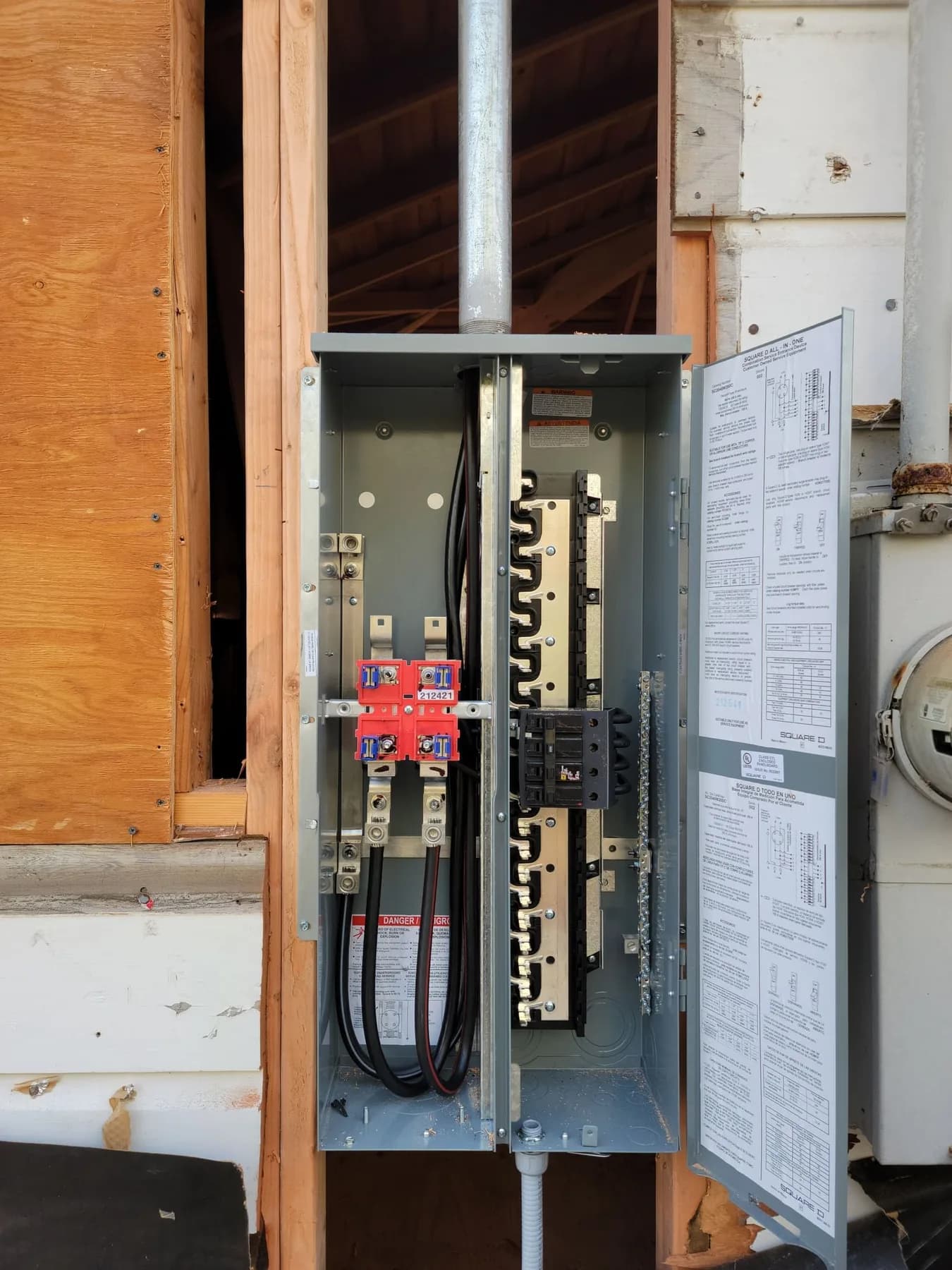
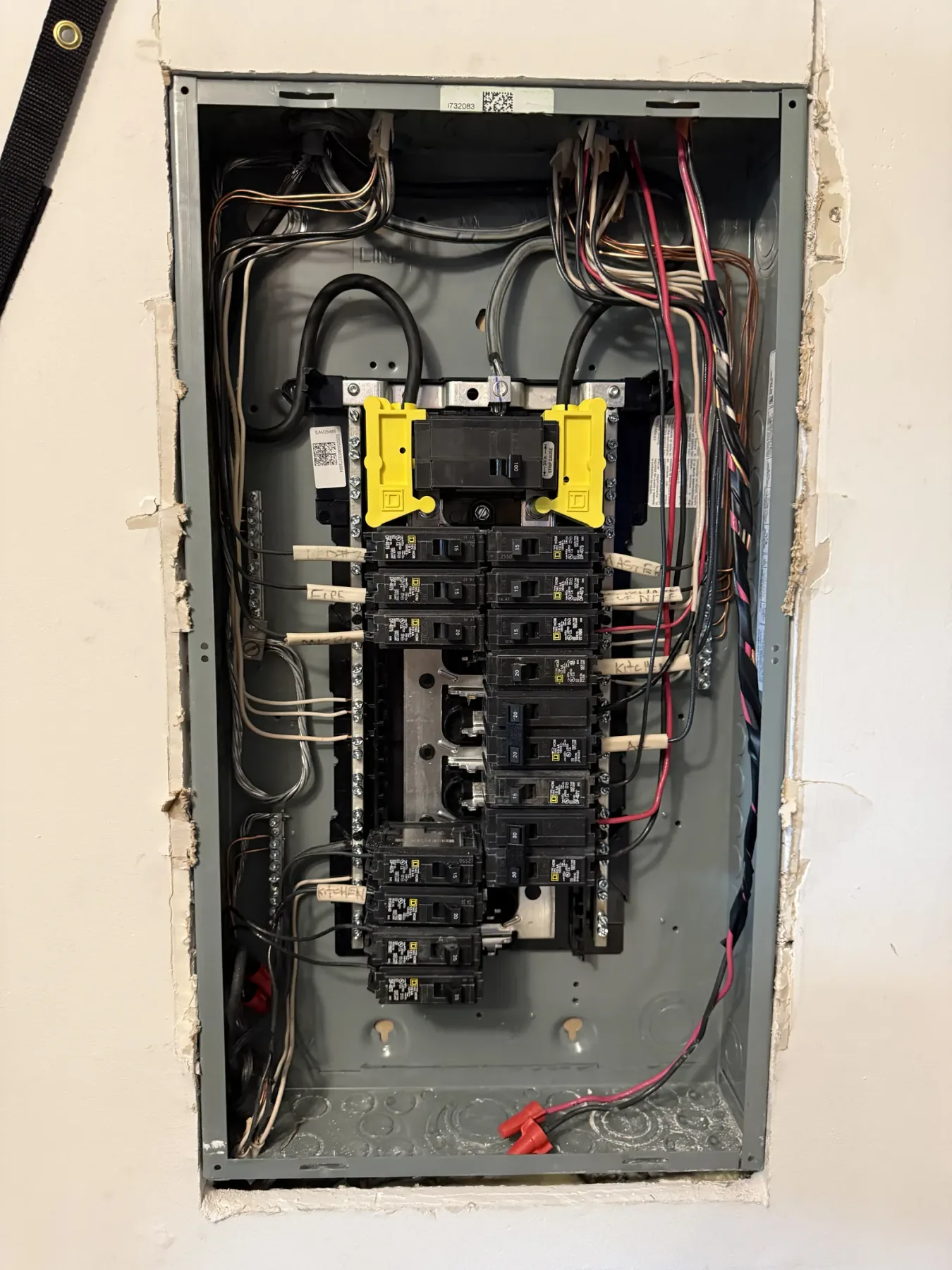
Open residential meter-main combination equipment during installation
CRE field photo · Residential meter-main equipment during installation

Replacement, upgrade, or subpanel?

A panel swap, a service upgrade, and a subpanel solve different problems. We start with the equipment already at the house and the loads you want to add.

Replacement

Replace the panel

If the service has enough capacity but the panel is worn, damaged, obsolete, or out of usable space, replacing the equipment may be the right job. A bigger service is not automatic.

  • Condition of the panel and main equipment
  • Existing service rating and layout
  • Circuit directory and needed corrections
Service upgrade

Increase service capacity

An EV charger, heat pump, induction range, addition, or ADU can change the calculation. When the existing service falls short, the job can include the meter and service entrance as well as the panel.

  • Current and planned major loads
  • Meter and service entrance
  • Permit, inspection, and utility steps when required

Distribution

Add circuits with a subpanel

A subpanel puts circuits closer to an addition, garage, ADU, or distant area. It does not increase the power available from the utility.

  • Source panel and feeder route
  • Capacity separate from circuit distribution
  • Clear labels for the new circuits

Choose between panel replacement and a service upgrade

A main-panel replacement updates equipment when the existing service capacity still fits the home. A service upgrade changes the capacity of the electrical service and can involve the meter or service entrance. The first review separates those decisions before equipment is selected.

A subpanel serves a different purpose: it distributes circuits closer to a garage, ADU, addition, or other area. It does not add utility capacity on its own.

What the load and site review needs to establish

Available breaker spaces do not answer whether a home has capacity for a new load. The review considers the existing service and equipment condition, major loads already in use or planned, and the meter and service arrangement. Solar, battery, EV charging, heating, cooking, an addition, or an ADU may matter when they are part of the project.

Photographs of the exterior panel and meter area, any readable circuit directory, and a list of planned equipment help start the discussion. The on-site review confirms the details that affect the electrical scope. Do not remove covers or expose energized equipment to collect that information.

Meter, service route, and access can change the work

The panel enclosure is only one part of a main-service project. The existing meter location, overhead or underground service route, access around the equipment, and the condition of the wall or service entrance can affect what must be done. A capacity change or meter relocation can be a different project from replacing equipment in the same arrangement.

The written scope should identify the electrical equipment and installation work, plus any utility work, trenching, restoration, or finish repair that requires separate coordination. This gives the homeowner a clear list of what is included for the address being reviewed.

Plan the interruption and closeout before work is scheduled

A main-service change needs a planned power interruption. The sequence depends on the approved scope, site conditions, inspection timing, and any utility coordination. Discuss the outage plan before the work is scheduled so the household can prepare for the interruption.

At closeout, the work follows the required inspection path for the project and the circuit directory should be clear to follow. San José’s current Bulletin 260 says a main electrical service-panel upgrade requires an electrical permit and inspection; added load or underground-service conditions can change the required path. Requirements still depend on the property and jurisdiction.

Home upgrade planner

Choose the projects you have in mind and when you want them. We will help you look at the electrical work together.

Your project outline

Select a timeframe beside any upgrade. Your priorities and the details to gather will appear here.

This organizes your priorities and the information to gather. It does not determine panel capacity or promise that a service upgrade is needed. CRE will review the existing system and equipment requirements with you.

From our field photos

The meter and service entrance are part of the work

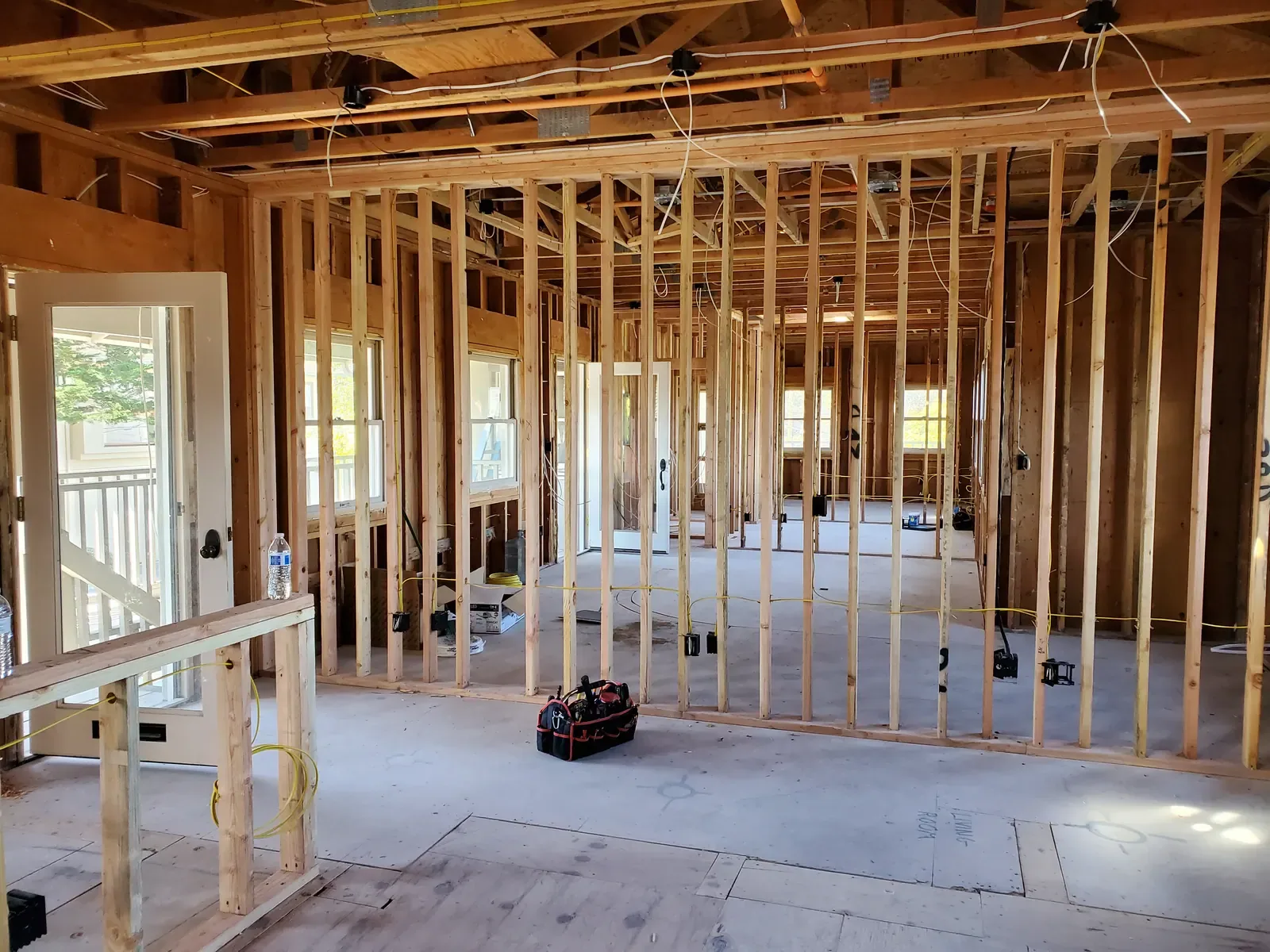
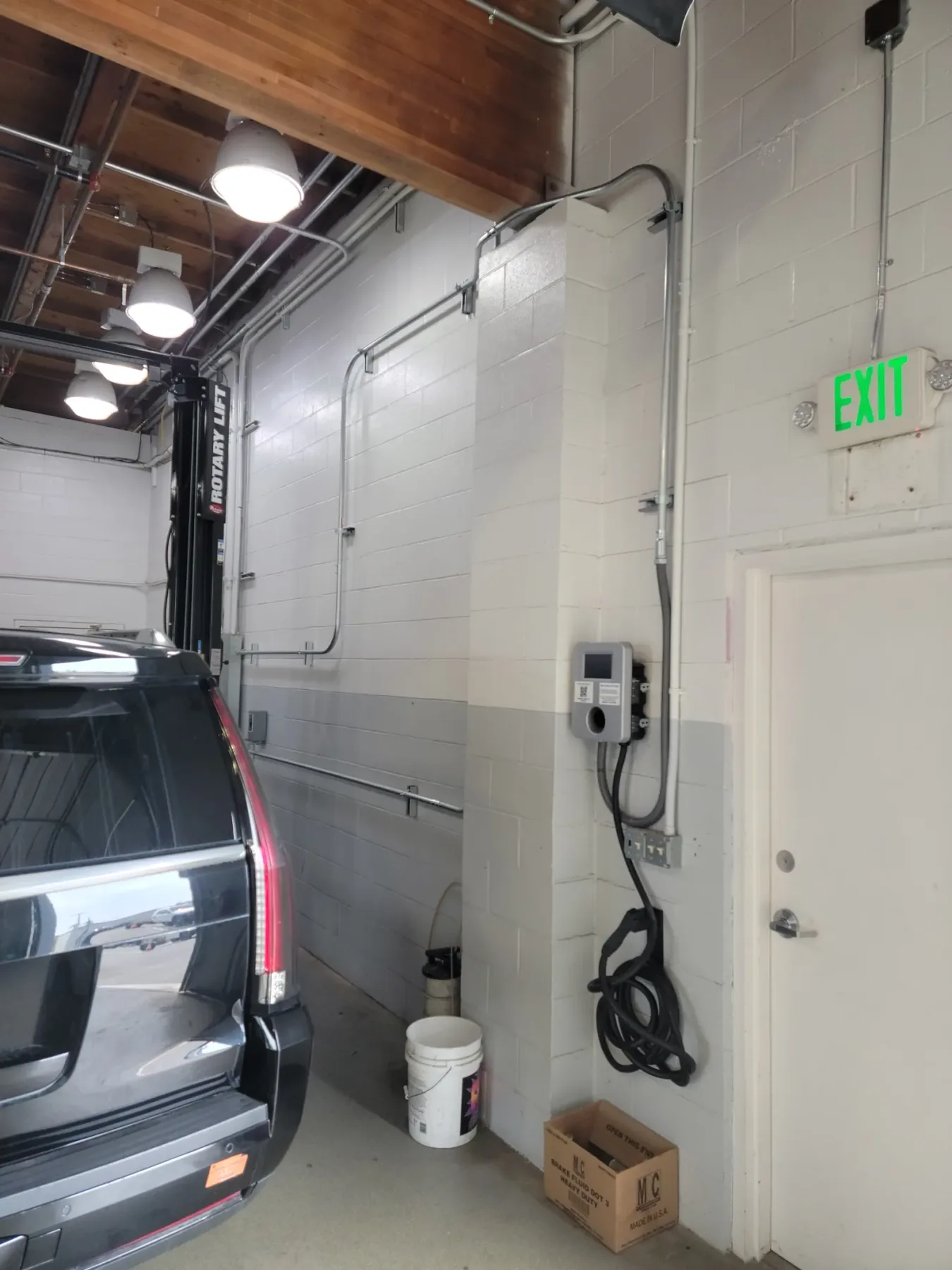
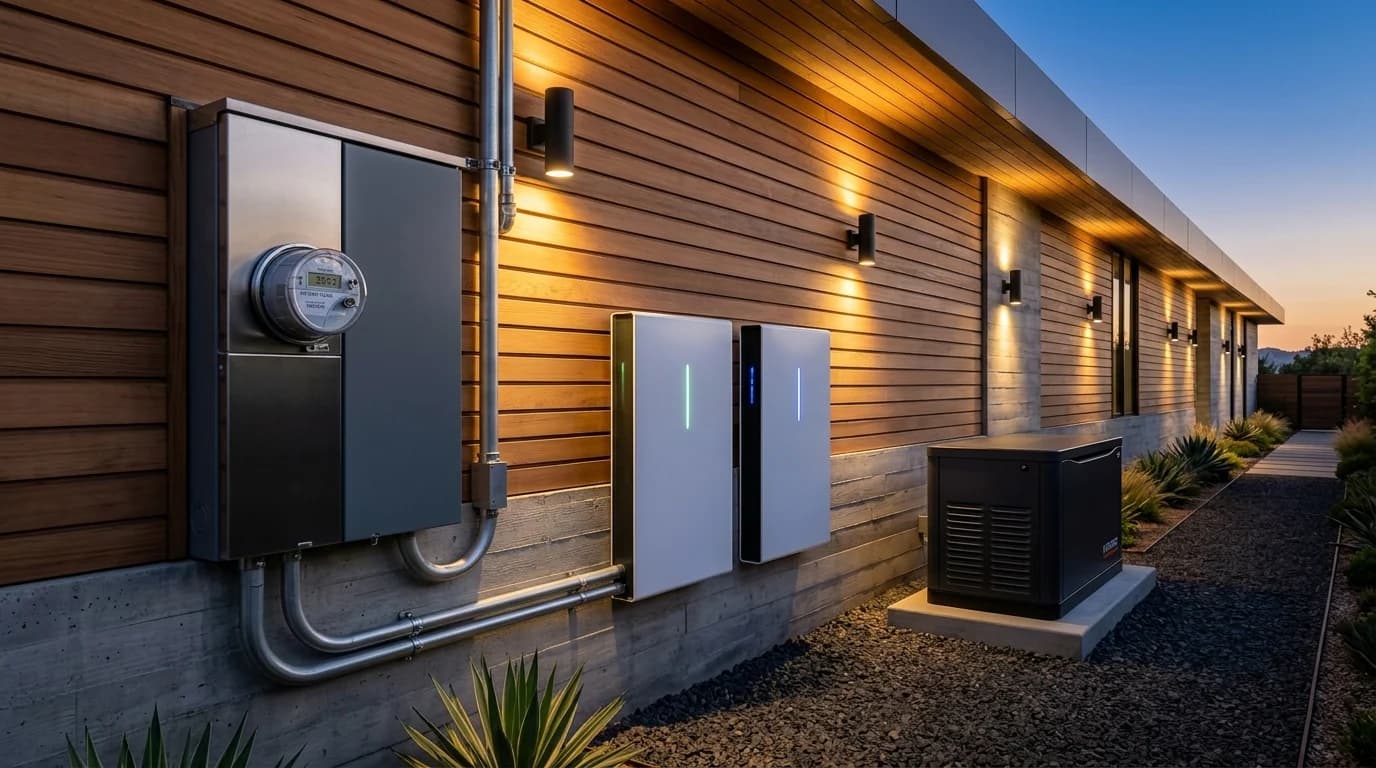
These photographs show residential meter-main and service-entrance equipment during electrical work. The meter position and the route into the equipment help explain why a panel quote needs more information than the enclosure dimensions. Exterior access, the existing service arrangement, and the work around the wall can change the scope. The open views document the equipment during the work.

From estimate to installation

Start with exterior photos of the panel and meter, the work you have in mind, and the city. At the property, we can tell whether the job is a panel replacement, a service upgrade, or a subpanel for new circuits. The written scope then covers the equipment, access, and any utility or permit work that applies.

  1. Inspect the service

    We inspect the main equipment, service arrangement, circuit space, visible condition, access, and the loads you plan to add.

  2. Quote and schedule

    The written scope lists the equipment and work. If the job needs a permit, inspection, or utility coordination, those steps are scheduled before the work day.

  3. Install, test, and label

    We complete the agreed work, test the equipment, and leave the circuit directory readable.

Common questions

Does a 200A service fit every home, or is 400A sometimes needed?

Service size comes from the home's existing and planned loads, service configuration, and the project itself. Square footage and the number printed on a panel do not settle it. A site review shows whether the current service, a different capacity, or another approach fits the work.

Can my existing panel be repaired instead of replaced?

Sometimes. We look at the condition of the equipment, the failed part, available replacement parts, the service arrangement, and the loads planned for the home before recommending repair, replacement, or a service change.

Do I need a panel upgrade before installing an EV charger?

Not necessarily. We need to look at the charger plan, household loads, circuit space, and existing service first. If charging is the immediate project, our EV charger page covers that review.

What should I send before requesting a quote?

Send a clear exterior photo of the panel and meter area, your address or city, and the electrical work you are planning. Include any major equipment you expect to add when it is relevant.

Help with the cost.

Check the electricity provider on your bill, then look at the programs below. Eligibility depends on your home, equipment, and project. Confirm funding and any required approval before work starts.

Program details checked September 17, 2026.

PG&E electric customers • Income-qualified households

Help installing a charger and upgrading a panel

Up to $2,000 for charger installation, or up to $5,000 with a qualifying panel upgrade

Rebate Plus requires an eligible EV and income qualification. Get preapproval and use a PG&E Trade Ally contractor. The panel option requires a necessary upgrade from below 200 amps to 200 amps for Level 2 charging; it does not cover a 400-amp upgrade.

Check rebate rules and how to apply

City of Santa Clara • Silicon Valley Power customers

Smart panel rebate

Up to $4,000

For a qualifying smart electric panel. Income-qualified bonuses may also apply. Confirm the panel model, project eligibility, and application timing with SVP before ordering.

Check rebate rules and how to apply

City of Santa Clara • Silicon Valley Power customers

Panel upgrade with another eligible project

Up to $1,500

This add-on requires another SVP home electrification or charger rebate in progress at an existing home. Apply within 60 days of permit issuance or purchase. Income-qualified bonuses may apply.

Check rebate rules and how to apply

Silicon Valley Clean Energy customers

Electrical upgrades with home electrification

$1,000, or $2,000 for income-qualified customers

Pair eligible electrical work with a qualifying appliance, wiring, or load-management project. Main-panel capacity above 100 amps requires a written exception; a routine 200-amp upgrade is not automatically covered. Reserve the rebate before installation.

Check rebate rules and how to apply

Get a panel estimate.

Tell us your city, what needs fixing, and any equipment you plan to add.

408-614-4451
Loading the inquiry form…
Call (408) 614-4451Request an estimate