Pre-Sale Electrical Review

Pre-Sale Electrical Review in San Jose

This service starts with a sale event: a buyer report, disclosure question, repair request, or closing deadline. We evaluate the named electrical items, define the repair scope, and document the work completed. It is not a routine whole-home inspection.

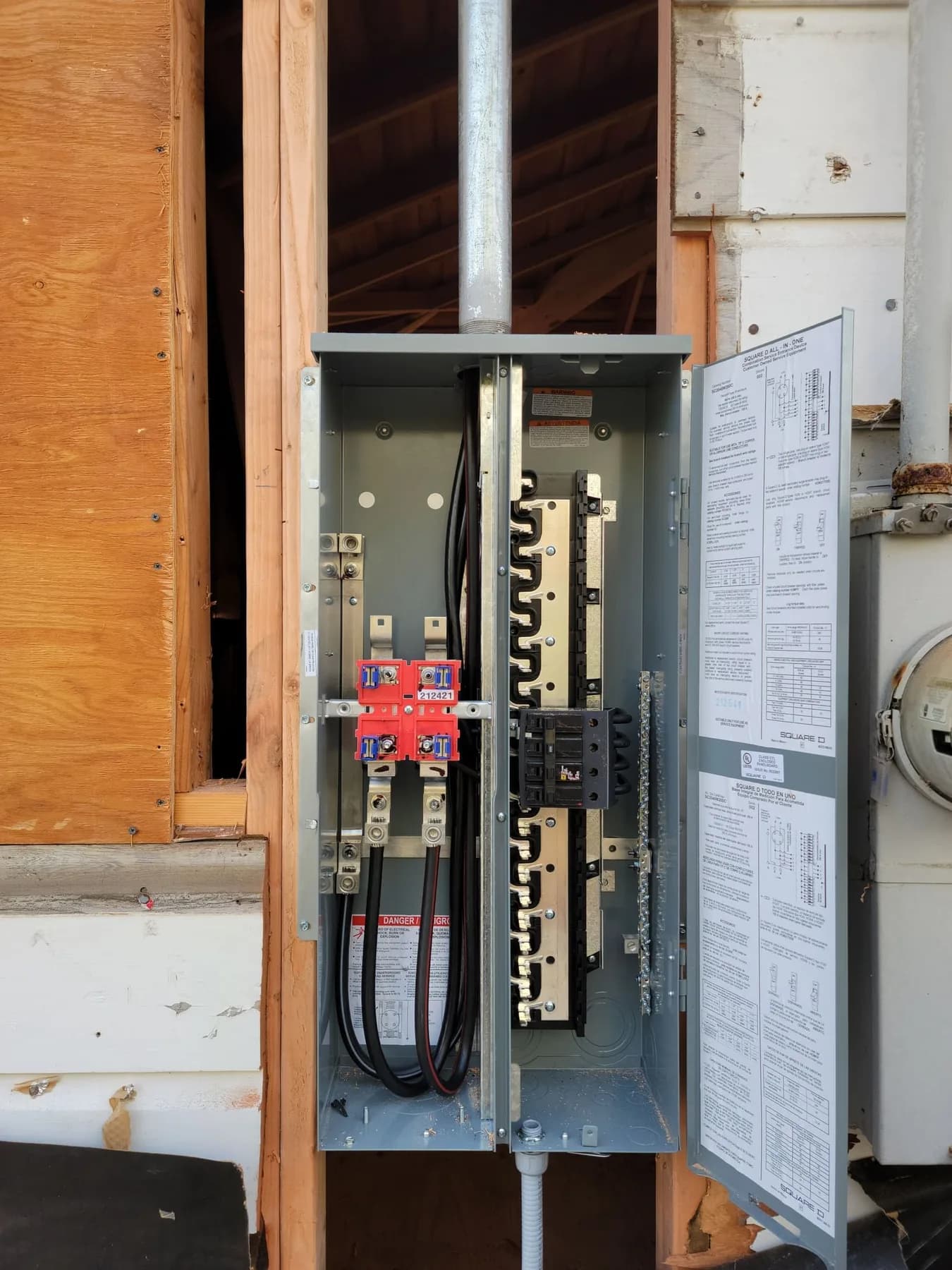
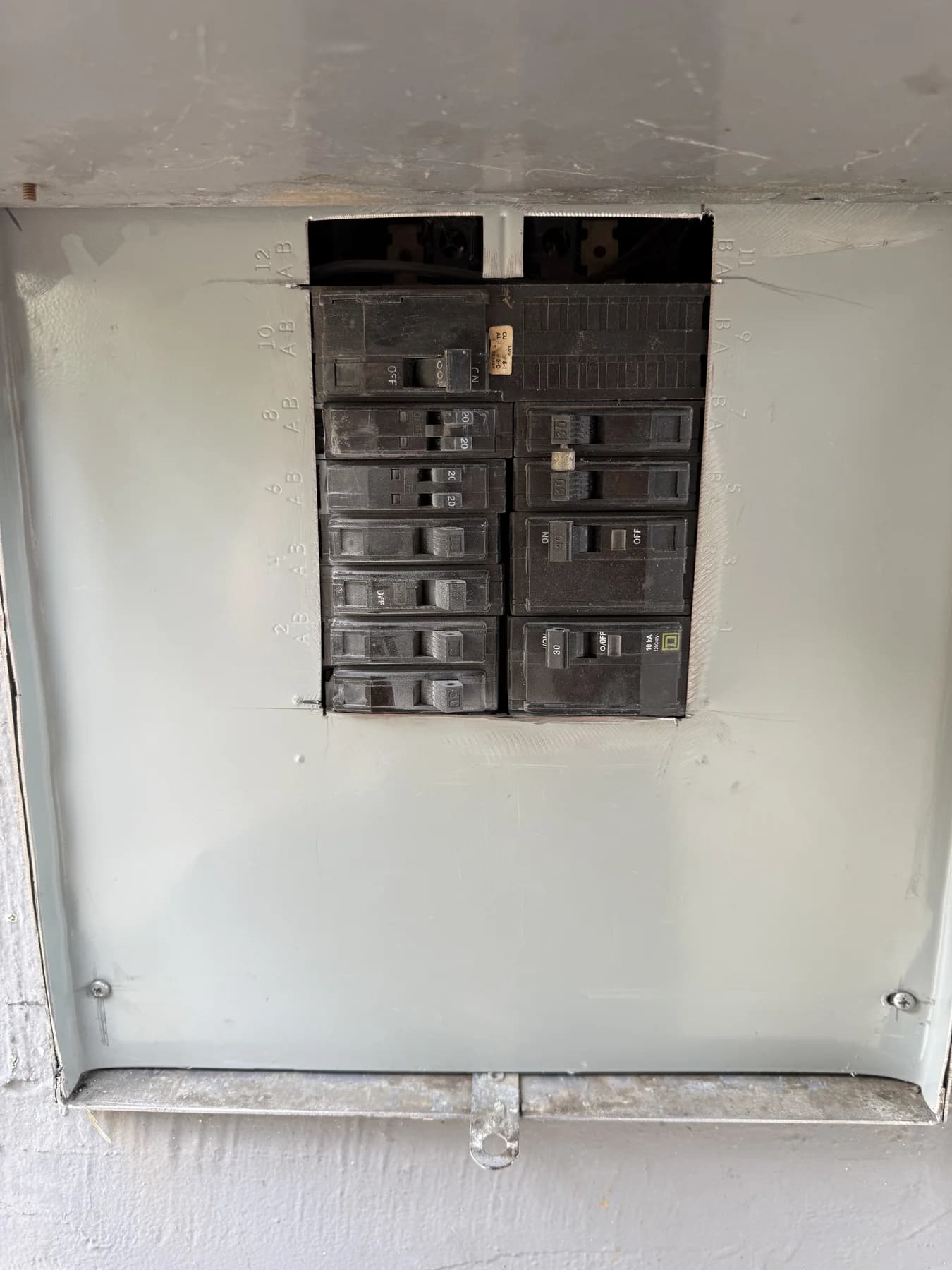
Electrical panel with open spaces before blank fillers were installed
CRE field photo · Missing panel blanks documented before correction

Plan the work

Review early

Leave time to understand the options

Bring reports, disclosures, and known electrical history before a repair deadline drives the scope.

  • Identify visible issues and the sale timeline.
  • Separate safety corrections from buyer preferences.
  • Keep records of prior permits and work.

Define the repair

Match work to the actual finding

A panel label, older wiring, ungrounded outlet, or damaged device can require very different work.

  • Document accessible conditions.
  • State access and finish assumptions.
  • Confirm requirements for the work performed.

Keep records

Describe completed work accurately

Proposals, invoices, and applicable permit records can help explain the work to the parties involved.

  • Keep repair scope separate from a general inspection.
  • Share records with an agent as appropriate.
  • Confirm closing dates and required documentation before scheduling.

Start with the report item and transaction deadline

Send the buyer or home-inspection report, the requested repair language, and the response or closing deadline. We trace each named electrical item to an accessible condition, a repair scope, or a recommendation for further investigation rather than reopening every system in the house.

Buyers, lenders, insurers, and municipal inspectors have separate standards and may request information outside an accessible electrical visit. The review records what was observed and where access limited the conclusion.

Questions worth resolving before listing

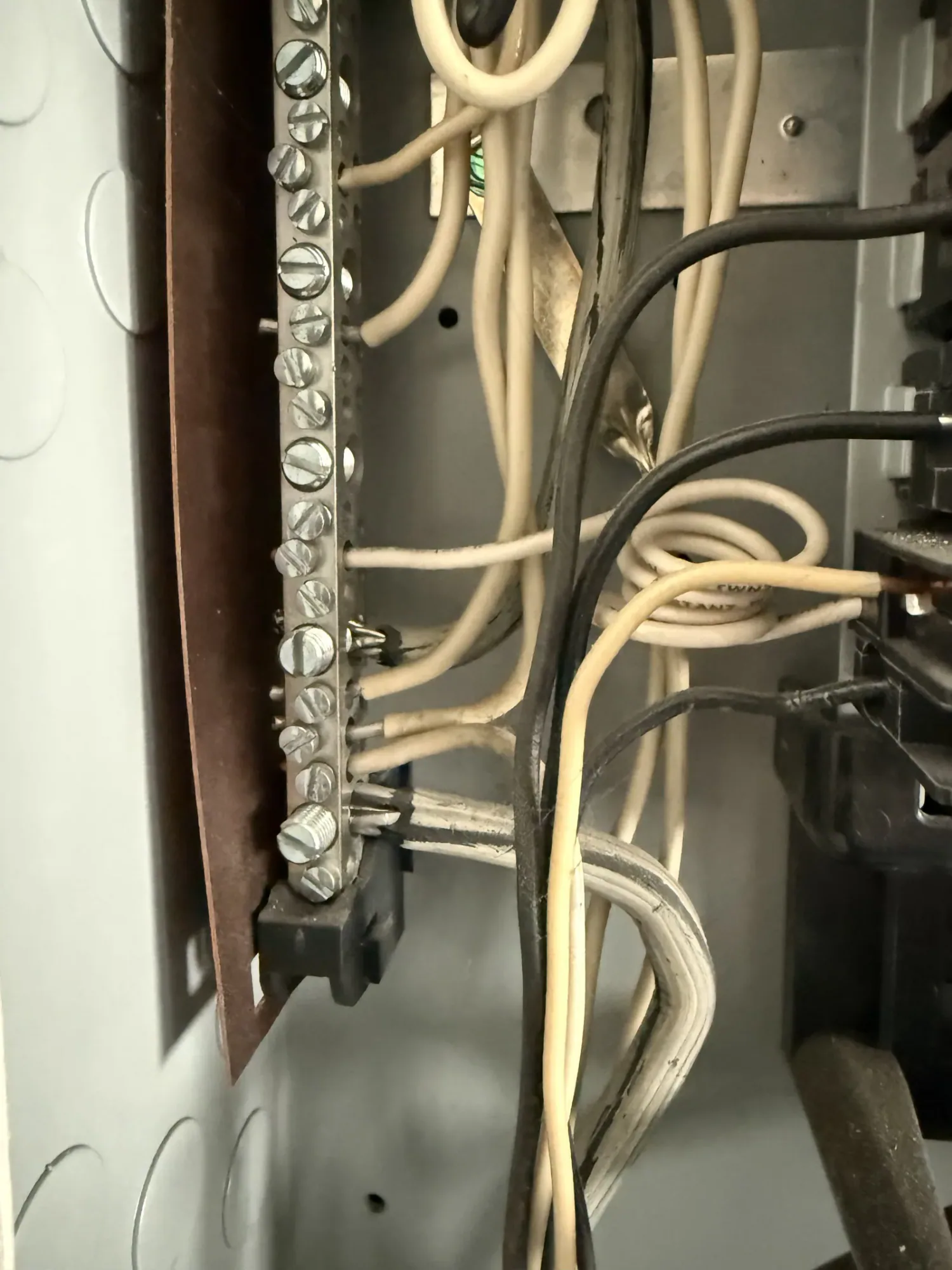
Older panels, fuse equipment, active knob-and-tube or aluminum branch wiring, ungrounded outlets, damaged devices, missing covers, and altered connections can each call for a factual review. Their presence is a reason to understand the condition and circuit use, not a reason to make a remote verdict about the whole house.

Share a prior home-inspection report, records of electrical work, and any current symptoms. That context helps distinguish a reported concern from the electrical scope needed to investigate it.

Turn findings into a repair scope

The scope identifies the accessible condition addressed, the work included, assumptions about access, and any work that needs further investigation. A missing cover and a suspected wiring issue are different decisions. Neither are a device-level correction, a circuit replacement, and a panel project.

Some corrections are contained; others involve circuit tracing, access through finished areas, permitting, utility coordination, or broader wiring work. Confirm the closing date and required documentation before scheduling. Completion depends on the home, access, materials, jurisdiction, and final scope.

Records that describe the work

Keep the written proposal, invoice, applicable permit records, and photos or reports supplied with the job. They describe the scope actually completed in a specific, useful way.

If a buyer’s inspection identifies a separate concern, it may need its own evaluation. Electrical documentation does not replace a general inspection, seller disclosures, legal advice, or the decisions of transaction parties.

Safety comes before sale timing

Warm or discolored devices, a burning odor, buzzing, sparking, repeated breaker trips, shocks, or water-damaged equipment need prompt electrical attention. Do not remove covers, keep resetting a tripped breaker, or experiment with a suspect circuit.

For smoke, fire, sparking, downed lines, or immediate danger, leave the area and call 911. San José also advises leaving the area and contacting 911 for downed lines before notifying the utility.

From our field photos

Start with accessible conditions

The panel photograph records open spaces before blank fillers were installed, while the room photographs show finished areas in a San Jose addition. A pre-sale electrical review documents the observed condition and access limits; it does not make a clearance determination from a photograph alone.

A factual electrical record before listing

Early, specific information helps sellers decide what to repair and how to document it.

  1. Review records and concerns

    Discuss reports, history, symptoms, and the proposed sale timing.

  2. Assess accessible conditions

    Identify repair and investigation items with stated access limits.

  3. Define and document work

    Complete the agreed scope and retain relevant project records.

Common questions

Is this a whole-home electrical inspection?

No. It responds to identified sale concerns, report items, deadlines, and repair documentation. A separately scoped electrical safety inspection is the route for a broader review of accessible electrical conditions.

Should I wait for a buyer inspection?

An early review can give a seller more time to understand options. The appropriate timing depends on the sale and the conditions found.

Will repairs need a permit?

Requirements depend on the address and specific work scope. Applicable permit work is identified as part of project planning.

Can you address an item from a home-inspection report?

We can assess the reported item and define an electrical repair scope from accessible conditions.

Tell us about your project.

Share your city, the work you need, and any equipment or plans you already have.

408-614-4451
Loading the inquiry form…
Call (408) 614-4451Request an estimate