Lifeline · Safety Inspection
An Electrical Safety Inspection Documents What You Can't See from the Outside. Written Report Delivered.
Panel condition, grounding integrity, GFCI protection, wiring age, service capacity, and code deficiencies. A proper electrical inspection surfaces what a visual walkthrough misses, and you get a written report delivered.
- The discipline behind our framework
- NFPA 70BThe discipline behind our framework
- California electrician
- C-10 #1144031California electrician
- Delivered after every inspection
- Written reportDelivered after every inspection
- Residential inspection
- From $500Residential inspection
Quick answer
Inspection scope
What the inspection covers
| Inspection item | What we assess | Reference standard |
|---|---|---|
| Service panel | Age, condition, brand (FPE / Zinsco), breaker function, labeling | NEC |
| Grounding system | Service ground, equipment grounding conductors, GEC | NEC 250 |
| GFCI protection | All required locations: kitchen, bath, garage, exterior, crawl space | NEC 210.8 |
| AFCI protection | Bedrooms and required living areas per current NEC | NEC 210.12 |
| Wiring type and condition | K&T, aluminum, NM-B, conduit: visible condition assessment | NEC |
| Service capacity | Panel amperage vs. load profile: upgrade indicators | NEC 220.83 |
| Smoke and CO detector placement | Required locations verified against the California Residential Code, which is where alarm placement lives rather than the electrical code | CRC |
What you get
- Written report (delivered after inspection)
- Severity ratings (critical / moderate / advisory)
- Photo documentation (findings photographed)
- Remediation quote (included if deficiencies found)
From the field
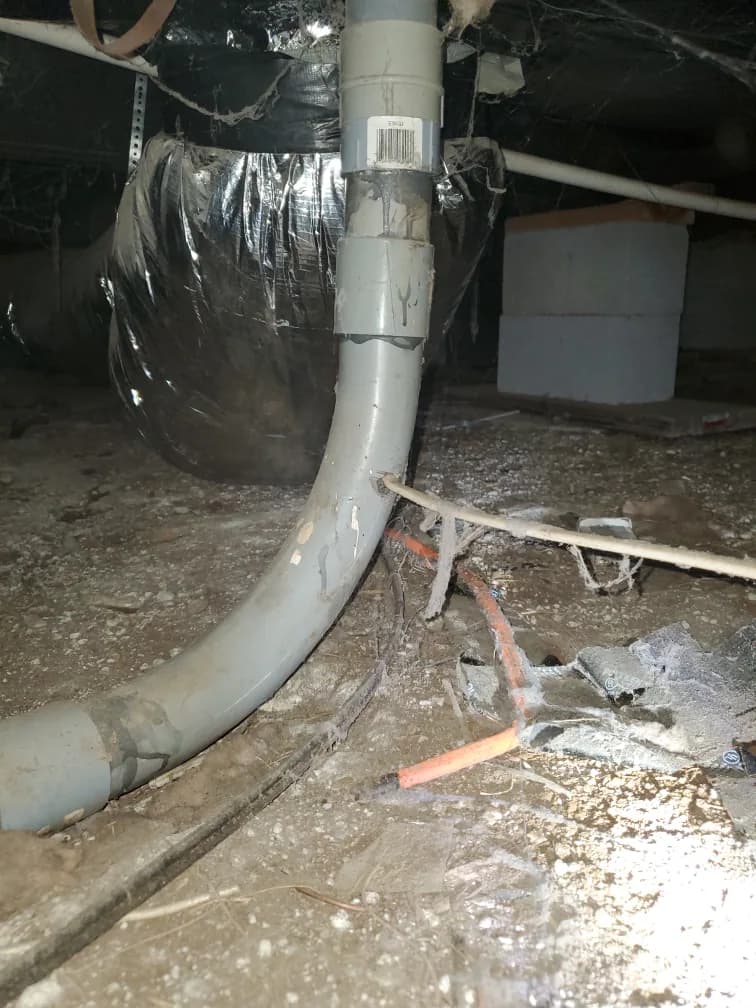
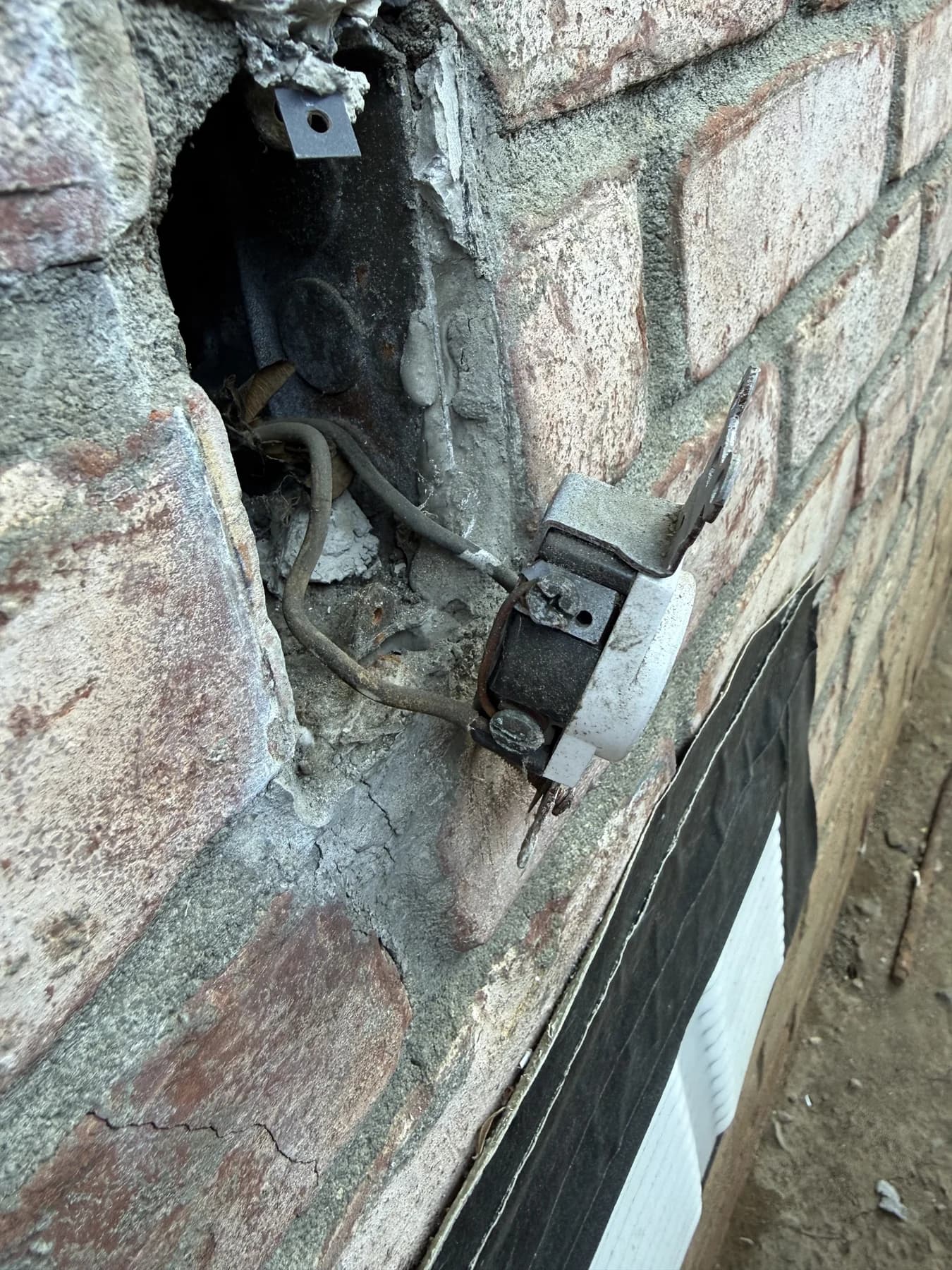
What our inspections turn up


60-second safety self-check
Signs it is time for an inspection
None of these confirm a problem on their own, but any of them is a good reason to get eyes on the system. If two or more sound familiar, schedule an inspection.
What we find in older homes
What an inspection turns up in older Santa Clara County homes
Much of the county's housing stock predates the wiring and panel standards we take for granted today. An inspection tells you which of these you actually have, and whether it is a note-for-later or a fix-now.
Homes built 1965 to 1973
Aluminum branch wiring is common in this era. The connections at receptacles and switches loosen and overheat over time, which is why insurers ask about it by name.
Aluminum wiring remediationHomes built before 1950
Knob-and-tube wiring still runs in attics and crawlspaces in the county's oldest neighborhoods, often spliced into by later work in ways that are not safe.
Knob-and-tube replacementPanels from the 1950s to 1980s
Federal Pacific Stab-Lok and Zinsco panels can fail to trip on a fault. This is a safety replacement, not a capacity question, whatever the amperage says.
FPE and Zinsco replacementInspection process
From scheduling to written report
A safety inspection is only as useful as the documentation it produces. We deliver a written report with specific deficiency locations, reference standards, and severity ratings, not a verbal summary.
01
Schedule
Same-week scheduling available. Inspection duration varies by property size and complexity.
02
On-site inspection
Panel, wiring, grounding, GFCI/AFCI, smoke/CO, and service capacity. All assessed, with notes taken throughout.
03
Written report
A deficiency report with severity ratings delivered promptly, with photos of findings included.
04
Remediation options
If deficiencies are found, we provide the remediation scope and a written quote. No obligation.
Inspection pricing
Clear, up-front ranges
| Residential electrical safety inspection | Starting at $500 |
| Comprehensive whole-home inspection | $750 |
| Small commercial electrical inspection | Starting at $750 |
| Pre-purchase electrical inspection | $500–$750 |
| Written report | Included with all inspections |
| Follow-up remediation quote | Included if deficiencies found |
A written report and a remediation quote are included with all inspections. Small commercial inspections start at $750 and scale with the amount of equipment and the number of panels on site. Every property is different, so we confirm your exact range before we schedule.
NFPA 70B
NFPA 70B: the discipline behind a thorough electrical inspection
NFPA 70B (Standard for Electrical Equipment Maintenance) is functionally mandatory for commercial and industrial facilities. Its own application section names industrial plants, institutional and commercial buildings, and large multifamily residential complexes, and it excludes consumer appliances and equipment intended primarily for home use, so it does not govern a single-family house call and we do not claim otherwise. What it does give us is the discipline: inspection categories, documentation standards, and a repeatable assessment methodology that separate a technical electrical inspection from a visual walkthrough. We bring that same discipline to panel assessment, wiring condition evaluation, and grounding system inspection on every property we look at.
NFPA 70B defines what disciplined equipment maintenance looks like for commercial buildings. We bring the same discipline to every inspection we run.
Why Cali Rollin Electric
A written report you can actually use
Our team, with 15+ years in the trade, removes the panel cover where it is safe, tests circuits and GFCI/AFCI protection systematically, and identifies hazardous equipment (FPE, Zinsco, aluminum branch wiring, active knob and tube) by name. You get the specific location of each finding, the reference standard behind it, and a severity rating, the kind of documentation an insurer or a buyer's agent will actually accept.
Capacity and load check
We flag an undersized service before it becomes a tripping breaker or a failed EV install.
Pre-purchase inspection
Schedule before closing. Know what you are buying.
Insurance documentation
An inspection report for carrier submission, with wiring condition documented.
Built on the NFPA 70B discipline
Our inspection framework is built on the same discipline NFPA 70B brings to commercial equipment.
Remediation quote included
If deficiencies are found, remediation scope and pricing are provided at no additional charge.
15 SCC cities
Every incorporated city across Santa Clara County.
Related work
Pair it, or set up a program
Thermal imaging inspection
Add infrared scanning to find hot terminations and overloaded circuits before they fail.
Preventive maintenance program
A recurring maintenance plan, built on the NFPA 70B framework, that keeps a panel healthy year over year.
All Lifeline services
See the full inspection, thermal imaging, and maintenance lineup for Santa Clara County.
Serving homeowners across Santa Clara County.
Electrical safety inspection service area: Santa Clara County
Frequently asked questions
Electrical safety inspection: FAQ
What does a residential electrical inspection cover?
A proper residential electrical inspection looks at the entire electrical system from the service entrance to the last device. Service and panel: main service size and condition, grounding and bonding, panel interior including breaker sizing, double-taps, signs of overheating, corrosion, loose conductors, missing bushings, and labeling accuracy. Branch circuits: representative testing of outlets and switches for polarity, open grounds, and GFCI and AFCI function in required areas including kitchen, bathrooms, exterior, garage, and laundry. Wiring methods and junction boxes where accessible in attic, crawlspace, and garage. Lighting and devices: fixture wiring, recessed can clearances from insulation, and fan box ratings. Safety and code checks: clearances around panels, presence of smoke and CO alarms where required, and obvious NEC violations visible without destructive access. The goal is to identify safety hazards, capacity limitations, and aging components so you know what needs attention and what is in good shape. The written report is included with every inspection.
How is your inspection different from a home inspector's electrical portion?
A home inspector is a generalist. Our electricians are specialists. Home inspectors typically perform a visual check of the panel without removing breakers or testing torque, use a basic outlet tester at a sampling of receptacles, and note obvious defects like missing GFCI protection or visible damage. A dedicated electrical inspection by Cali Rollin Electric goes significantly deeper: the panel cover is removed where safe to inspect bus bars, terminations, and conductor sizing. Circuits, GFCIs, and AFCIs are tested more systematically. Hazardous equipment types like FPE, Zinsco, aluminum branch wiring, and active knob and tube are identified, not just flagged as old or requiring further evaluation. Load and capacity issues are evaluated, not just noted as the panel appears full. In practice, home inspectors tell you when to call an electrician. We tell you what actually needs to be done and why.
Should I get an electrical inspection before buying a home?
Yes, especially in the Bay Area where older housing stock, insurance constraints, and high repair costs make surprises expensive. A separate electrical inspection is strongly recommended when the home is older than 1980 with original panel or wiring, the general home inspection flags old wiring, an unlabeled panel, or a non-standard panel brand, you plan to add EV charging, a hot tub, solar, or a major remodel soon after purchase, or the home has a known history of electrical issues. HomeLight notes that the home inspection phase is one of the top causes of delayed closings, citing NAR data showing approximately 15% of contracts experiencing settlement delays as of late 2025, often due to inspection issues. Catching electrical problems before you are in contract lets you renegotiate or budget accurately rather than absorbing surprise costs after closing.
How long does an electrical inspection take?
For a typical single-family home, a standalone electrical inspection takes approximately 60 to 120 minutes on site depending on home size, number of panels and sub-panels, attic and crawlspace accessibility, and whether issues are found that require additional tracing or testing. Larger or more complex properties including older homes with additions, guest houses, ADUs, or heavy electrical loads can run longer. The written report is delivered the same day or within one business day once notes and photos are compiled.
Will the inspection find out if my wiring is aluminum or knob and tube?
Yes, if those wiring types are present and accessible they can be identified. Aluminum branch wiring is checked at panel terminations and accessible runs. Aluminum cable is clearly marked AL, ALUM, or ALUMINUM on its jacket and appears dull silver-gray rather than copper-colored. Devices may also be stamped CO/ALR or AL-CU indicating aluminum-compatible terminations were previously installed. Knob and tube wiring is identifiable by separate hot and neutral conductors run on porcelain knobs and through porcelain tubes in framing members, usually visible in attics or basements. If access is limited due to finished ceilings or a sealed crawlspace, our team will note suspected but unconfirmed conditions and may recommend targeted access if this is critical for insurance or financing purposes.
Can I use the inspection report for my homeowner's insurance?
In many cases yes. Insurers frequently request a report from an electrical contractor when deciding whether to write or renew a policy, especially for older homes or those with known risk factors like FPE or Zinsco panels, knob and tube, or aluminum wiring. Insurers typically use the report to determine whether they will insure the home at all, whether they will bind coverage conditionally requiring specific corrections within a set timeframe, and what documentation exists confirming hazards have been corrected. Reports paired with finaled permits and paid invoices are often required to lift underwriting restrictions. Each carrier's underwriting rules are different so while the inspection report is a valuable tool for insurance discussions, final acceptance and any required follow-up work are up to the insurer. Cali Rollin Electric provides written inspection reports with all findings documented for insurance purposes.
Get started
Schedule your electrical safety inspection
Tell us the property type, approximate age, and what prompted the inspection: pre-purchase, an insurance requirement, or a general assessment. Our team delivers a written report with photos and severity ratings, and walks you through anything it flags.