A guide to CRE services, not an inspection of your property. Your assessment establishes the site findings and final scope.
CRE / THE SUPPORTING PAGES
01 / Facility overview
Facility electrical maintenance. Coverage confirmed by location.
A clearer picture of your building. A practical plan for looking after it.
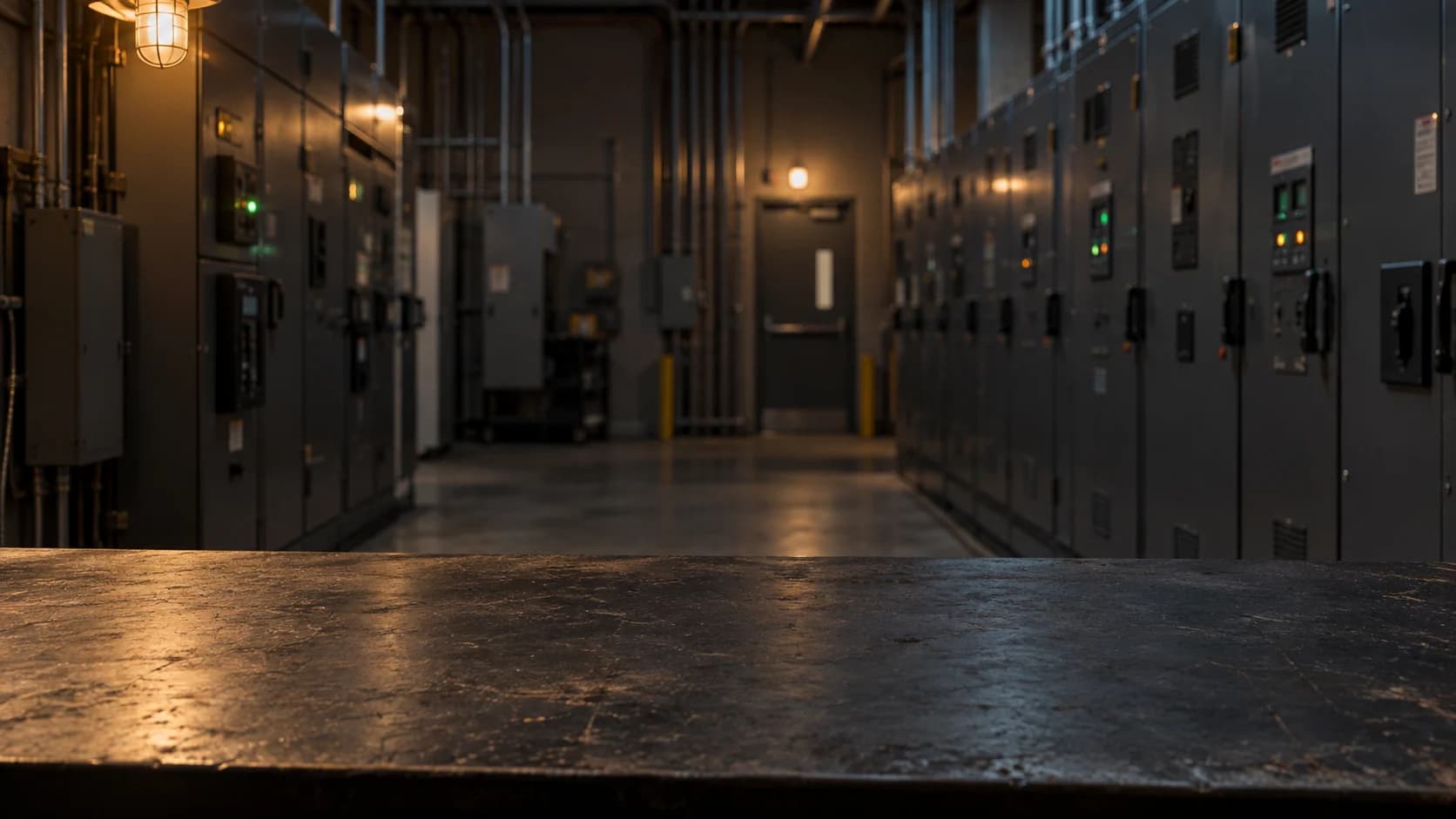
Cali Rollin Electric helps facility managers, property owners and operations teams document electrical systems, maintain equipment and plan ongoing support. Whether you manage an office, retail property, warehouse or another commercial facility, we start with the equipment, records and operating needs at your site.
Establish a whole-facility baseline: trace outlets and switches, install panel and circuit labels, update panel schedules, and inspect and service panel connections as required by the manufacturer. Record inaccessible circuits and unresolved work so the documentation stays useful.
Define equipment-specific inspection, cleaning, applicable connection servicing and testing for an approved visit scope. The equipment, manufacturer requirements and agreed scope determine the tasks. Specialist tests and functional transfer testing are separately scoped.
Add visible and infrared views of accessible electrical equipment under agreed operating conditions. Document observed thermal anomalies, access limitations and recommended follow-up. Imaging supports further investigation and complements equipment maintenance.
Organize equipment information, maintenance responsibilities, scheduled tasks and completed-work records into a defined program. CRE supports your facility’s NFPA 70B maintenance efforts; the service does not provide NFPA certification or guarantee compliance or insurer acceptance.
Compare agreement structures: scheduled maintenance for named equipment, reserved electrician time for troubleshooting and small improvements, or custom recurring onsite staffing. The agreement defines the scope, benefits and schedule. Monthly, quarterly, semiannual and annual payment choices are available.
Review the layout, circuit routes, panels, records, access and shutdown needs. The assessment establishes the information needed for a customized quote.
2
Agree on the scope
Choose the tracing approach, equipment work, optional services and work windows. Your quote identifies the scope and deliverables.
3
Establish the baseline
Complete the agreed initial service across the facility, including circuit identification, schedules and panel servicing. Document findings and unresolved work.
4
Plan the next visits
Choose scheduled equipment maintenance or reserved facility support. Define the tasks, timing and records in your ongoing agreement.
Paid assessment. Credited toward your initial service.
$500 small / medium facility — flat assessment. $1,000 large / equipment-heavy facility — flat assessment.
The full assessment payment is credited toward your initial service if you accept the quote. Otherwise, it remains payment for the assessment.
A small or medium facility assessment is $500 flat. A large or equipment-heavy facility assessment is $1,000 flat. The full assessment payment is credited toward the initial service if you accept the quote. Otherwise, it remains payment for the assessment.
Will the work require a shutdown?
Some work requires coordinated shutdowns, including connection servicing. De-energized circuit tracing is the lower-priced option with planned downtime; energized or mixed tracing can also be scoped. Energized tracing does not mean connection servicing is performed live. After-hours premiums are independent of the tracing method.
What records will our facility receive?
For the initial setup, you receive installed identification labels, updated panel schedules and documentation of observed deficiencies and unresolved circuits. Maintenance visits document completed tasks, findings, recommendations and deferred work. The quote identifies the records included in your scope.
Does thermal imaging replace electrical maintenance?
Thermal imaging adds another view of equipment condition. It does not replace cleaning, required connection servicing or other equipment-specific maintenance. An unusual temperature pattern may require further investigation to establish its cause.
How often should we schedule electrical maintenance?
The schedule depends on the equipment, its condition, manufacturer instructions and applicable maintenance-program requirements. We review those factors with your facility team before defining the work. A monthly payment schedule does not automatically mean monthly maintenance visits.
How is a maintenance agreement different from a facility subscription?
A maintenance agreement schedules defined tasks for named equipment. A facility service subscription reserves electrician time for troubleshooting, repairs and small improvements. Neither means unlimited repairs. Scope, scheduling and service benefits are set out in the customized agreement.
Can we add equipment records or load monitoring?
Yes. Optional additions include equipment inventory, identification, tracing, labeling and maintenance. Seven-day load monitoring includes installation of recording equipment, a return visit to remove it, and reporting the readings. Load and capacity calculations are a distinct optional analysis; measured demand alone does not establish calculated capacity.
CRE considers facility projects across the United States for maintenance, documentation, thermal imaging and ongoing support. California electrical work is performed under our C-10 license. For other states, the proposal must first identify local licensing requirements, who performs the work, travel, and any qualified local partners. Send each location and scope so we can confirm a workable service plan.