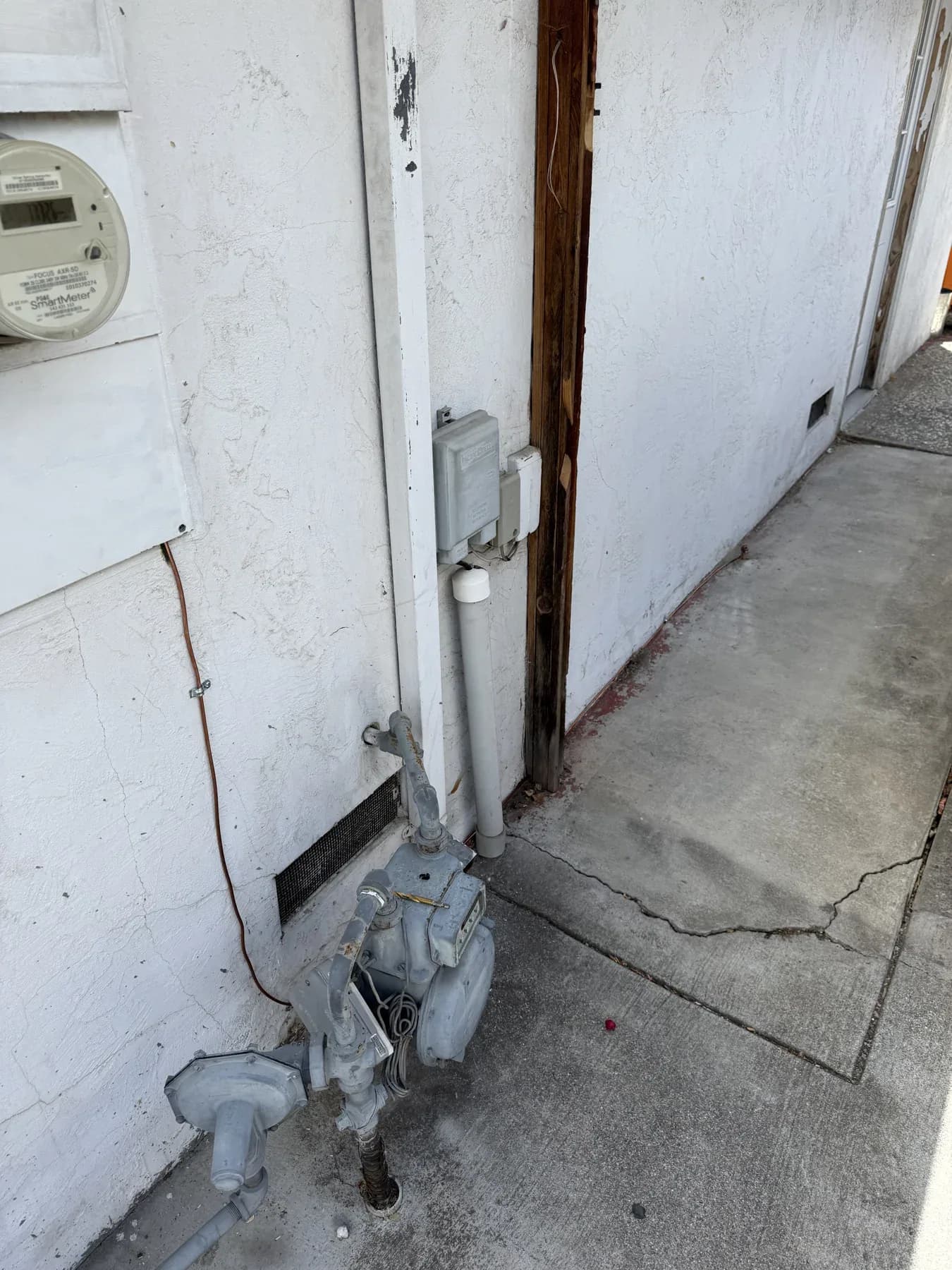
Cloth Wiring Replacement

Cloth Wiring Replacement in San Jose

Older cloth-covered wiring needs a review of its condition and construction. We review accessible wiring, splices, grounding, and the circuits that still serve the home.

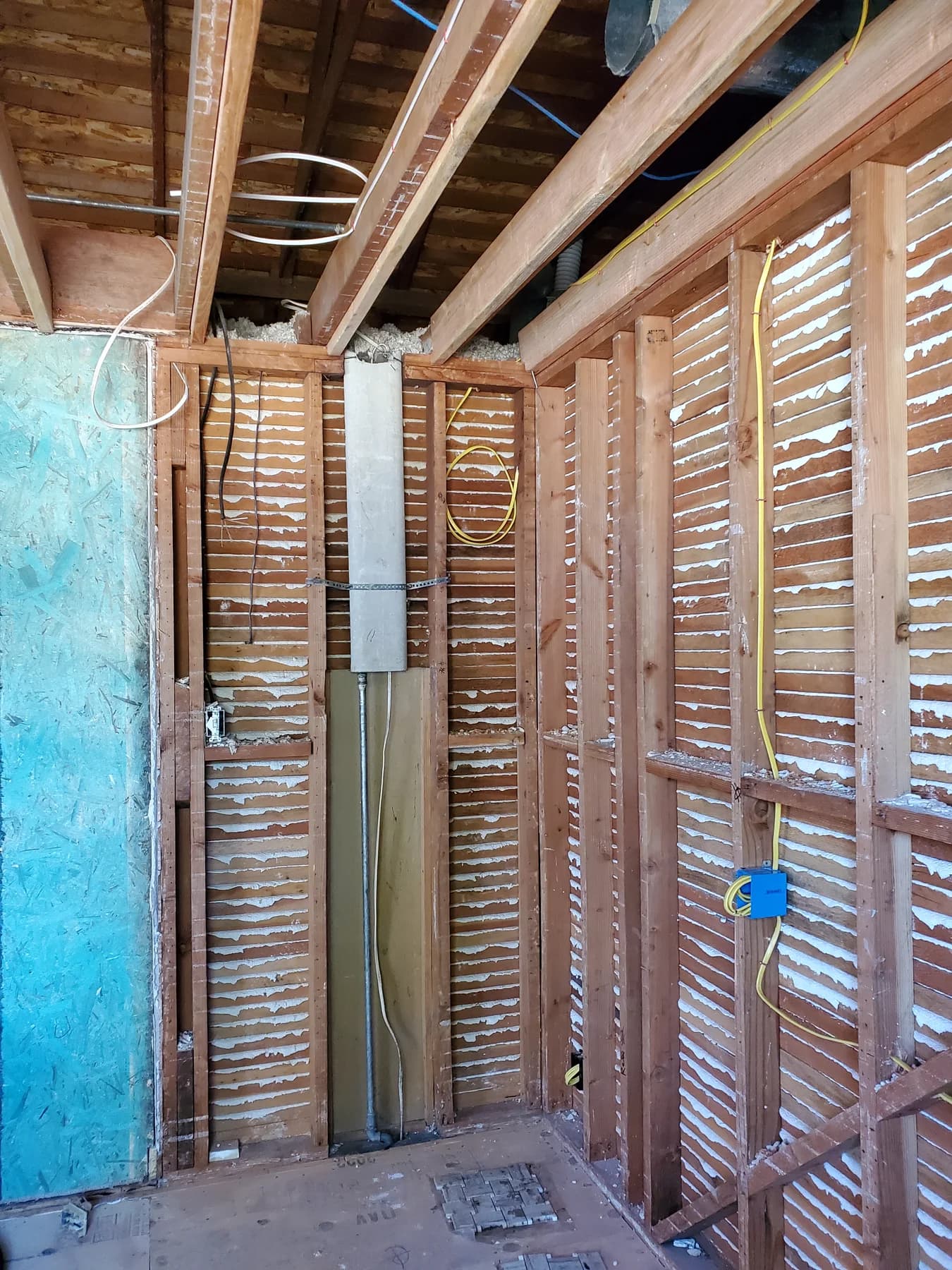
New cable routes and electrical boxes in open residential framing
CRE field photo · Open-wall wiring replacement work; the image does not identify the original wiring insulation

Plan the work

Assess condition

Look beyond the jacket

Brittle or damaged insulation, heat exposure, and altered connections can affect the repair decision.

  • Review accessible cable and junction boxes.
  • Identify active circuits and loads.
  • Note damage without handling conductors.
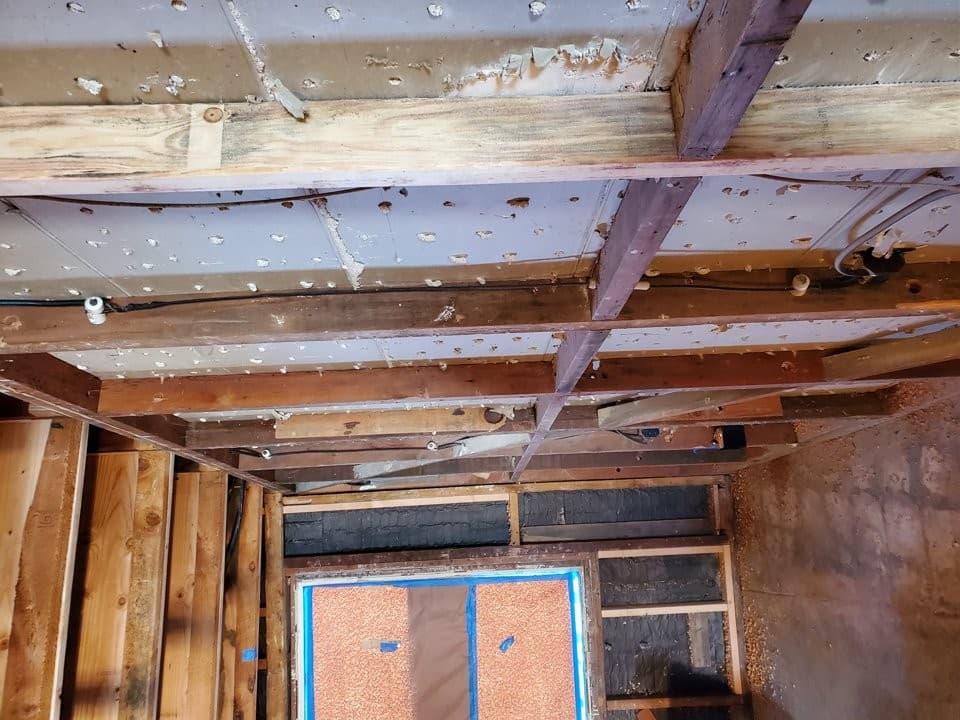
Compare scope

Targeted repair or circuit replacement

Access, conductor condition, grounding, and planned remodeling determine whether a limited correction or broader replacement is sensible.

  • Separate visible defects from concealed conditions.
  • Plan access around finished rooms.
  • Keep optional modernization distinct.

Coordinate upgrades

Use open-wall work carefully

A remodel can make grounding and circuit replacement easier to plan, but it does not require unrelated upgrades.

  • Document circuits included.
  • Review protection by location.
  • Coordinate permit requirements locally.

What cloth insulation can and cannot tell you

Cloth-covered wiring appears in many older homes, but the jacket alone does not establish the condition of the conductor, splices, or equipment grounding. Age, heat, moisture, physical damage, and later work all matter.

An assessment starts with accessible runs and devices, then identifies where the circuit goes and how it is used. It avoids guessing at concealed conditions from one exposed section.

Condition and access shape the work

Fraying insulation, exposed conductors, open splices, damaged boxes, or repeated circuit problems need prompt attention. The remedy may be a repair at an accessible location or replacement of the circuit serving that area.

A written scope should state what can be accessed, what finishes may be affected, and what findings could change the work after access is made.

Grounding is a separate question

Older cloth-insulated circuits may not include an equipment grounding conductor. Replacing a receptacle face does not create a grounding path.

The existing circuit, the location, and the work being performed determine whether a grounding upgrade, GFCI protection, or circuit replacement is appropriate.

Plan around present-day loads

Kitchens, laundry areas, portable heaters, window AC units, and new appliances can place demands on circuits that were not designed for today’s use. Frequent trips or warmth are symptoms to investigate, not problems to defeat with a larger breaker.

A review connects what homeowners use with the circuit condition and equipment in place, then separates immediate correction from future planning.

Safe next steps

Do not pull on old cable, remove panel covers, or work on damaged insulation yourself. Stop using a circuit if it is warm, sparking, smoking, or has a burning odor.

For fire, smoke, sparking, or immediate danger, leave the area and call 911.

Cloth covering and knob-and-tube are not the same description

Cloth describes an insulating or outer covering; knob-and-tube describes a wiring arrangement. A home may also have several generations of cable after kitchen updates, additions, or panel work. Identifying one newer cable does not establish that the older circuits elsewhere were replaced.

Bring any earlier electrical proposals or permits to the visit. We can compare the described work with accessible wiring and identify which areas still need investigation. The useful result is a circuit-by-circuit scope, rather than assuming all wiring of a similar age has the same condition.

Define what stays during a phased replacement

If the work will be done in stages, identify the rooms and circuits included in each phase and the equipment that must remain available. Kitchen refrigeration, home-office equipment, and occupied bedrooms can affect the sequence and outage arrangements.

Ask the proposal to distinguish electrical access openings from drywall, plaster, paint, and cabinet restoration. Keep the updated circuit directory and records of the completed scope so a later phase can start with what was actually replaced.

A condition-based wiring decision

A clear scope starts with accessible evidence and the circuits the home relies on today.

  1. Review accessible wiring

    Identify condition, circuit use, and related alterations.

  2. Define the scope

    Compare repair, replacement, and grounding options.

  3. Complete the planned work

    Address the agreed conditions and document access assumptions.

Common questions

Does cloth wiring always need replacement?

Not from appearance alone. An electrician needs to assess accessible condition, circuit use, splices, and grounding.

Can a brittle section be repaired?

The appropriate remedy depends on where the damage is, the circuit condition, and whether the work can be completed safely.

Are cloth wires grounded?

Some older circuits lack equipment grounding. The actual wiring must be checked.

What if a breaker trips repeatedly?

Do not keep resetting it. Reduce use of the circuit and arrange an electrical assessment.

Tell us about your project.

Share your city, the work you need, and any equipment or plans you already have.

408-614-4451
Loading the inquiry form…
Call (408) 614-4451Request an estimate

We use necessary browser storage to remember your choice. With your permission, Google Analytics helps us understand which pages are useful. Contact forms work either way. See our privacy policy.