Panel review
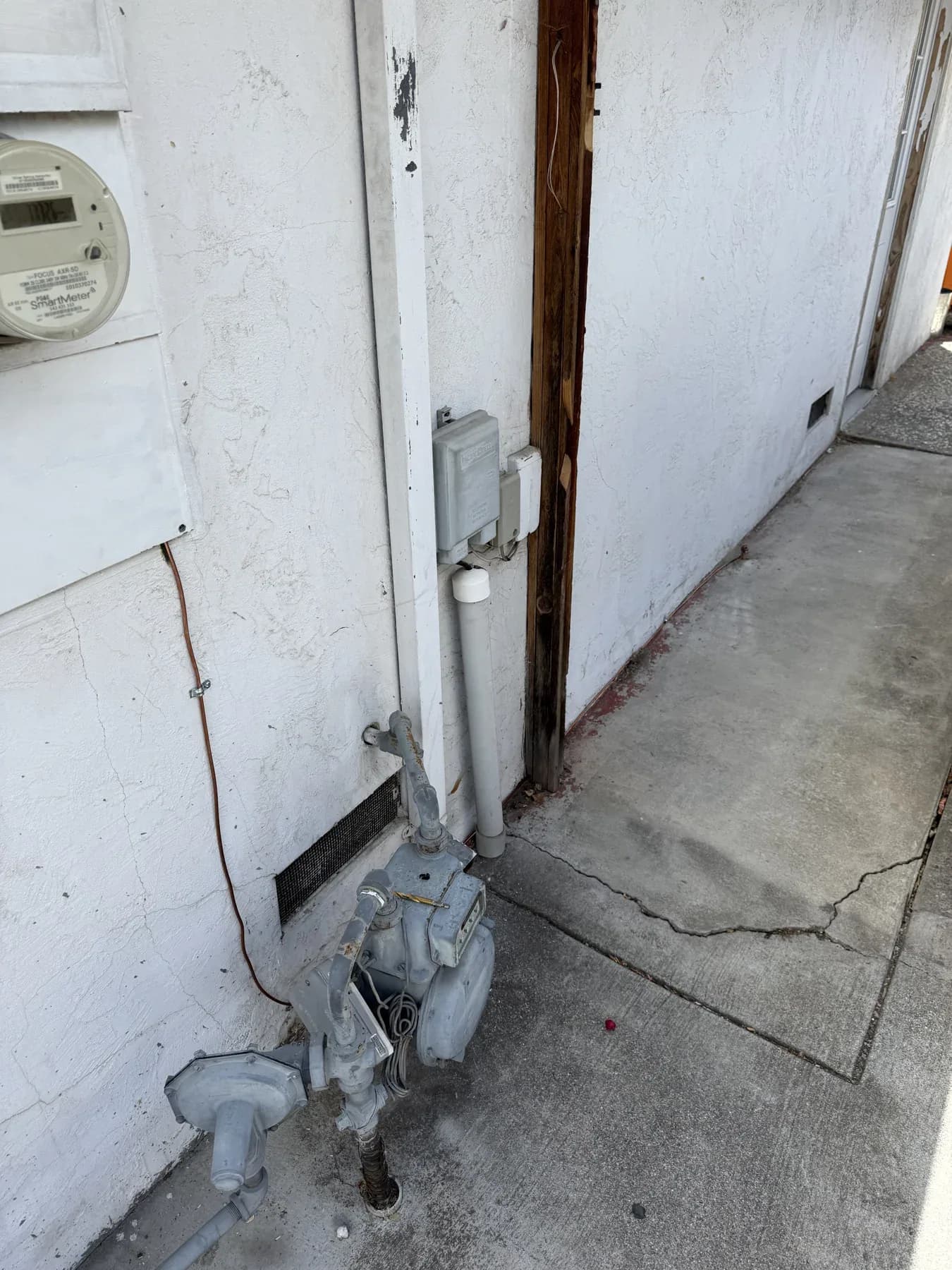
Check the installation point
Panel condition and available device location affect the scope.
- Send panel photos.
- Identify service equipment.
- Review compatible installation space.
Whole-Home Surge Protection
Whole-home surge protection is installed at or near electrical service equipment and is one layer of a home’s protection strategy. The right conversation includes the existing panel, the device location, grounding and bonding, and the electronics that still benefit from point-of-use protection.
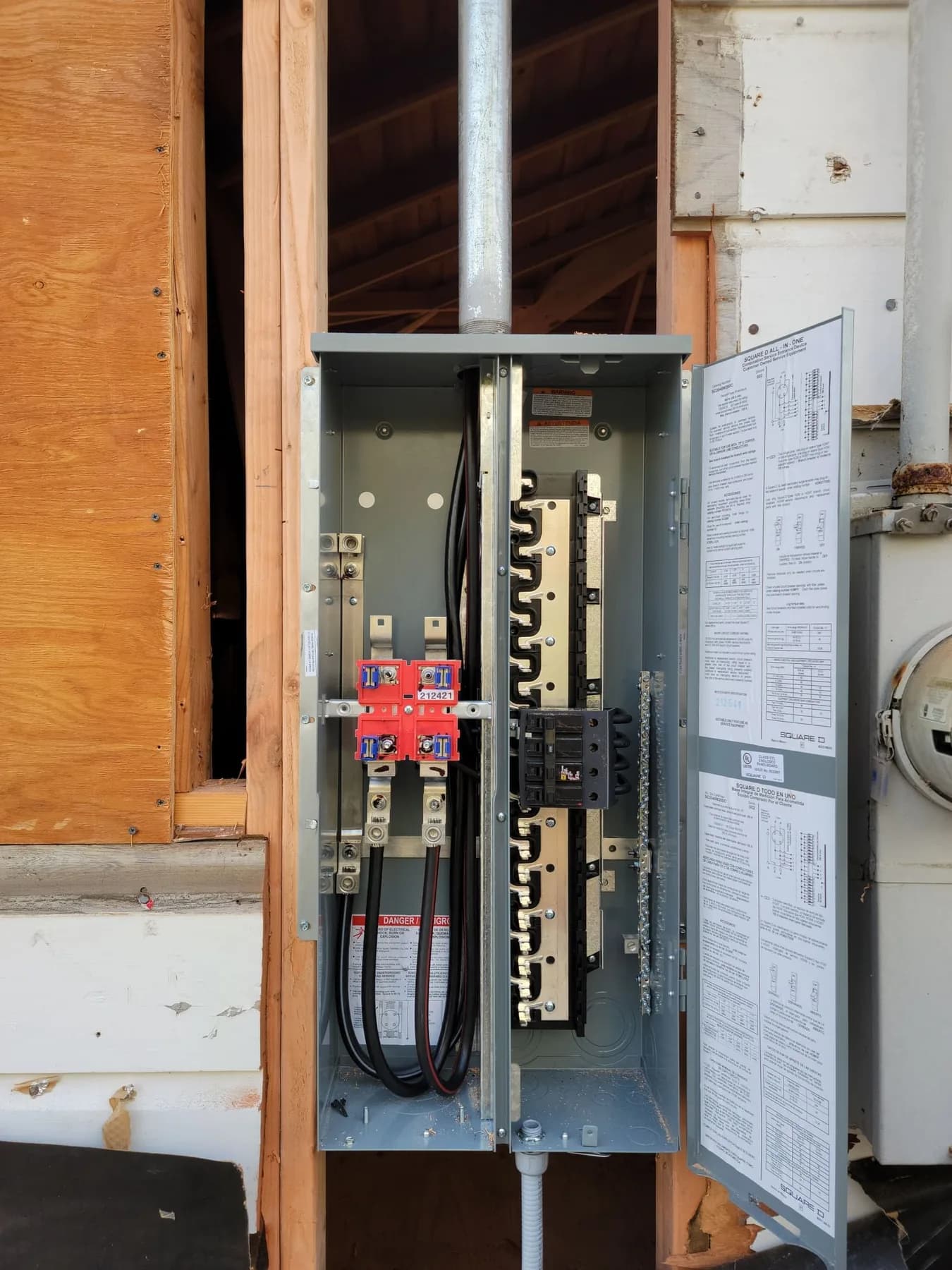
Panel review
Panel condition and available device location affect the scope.
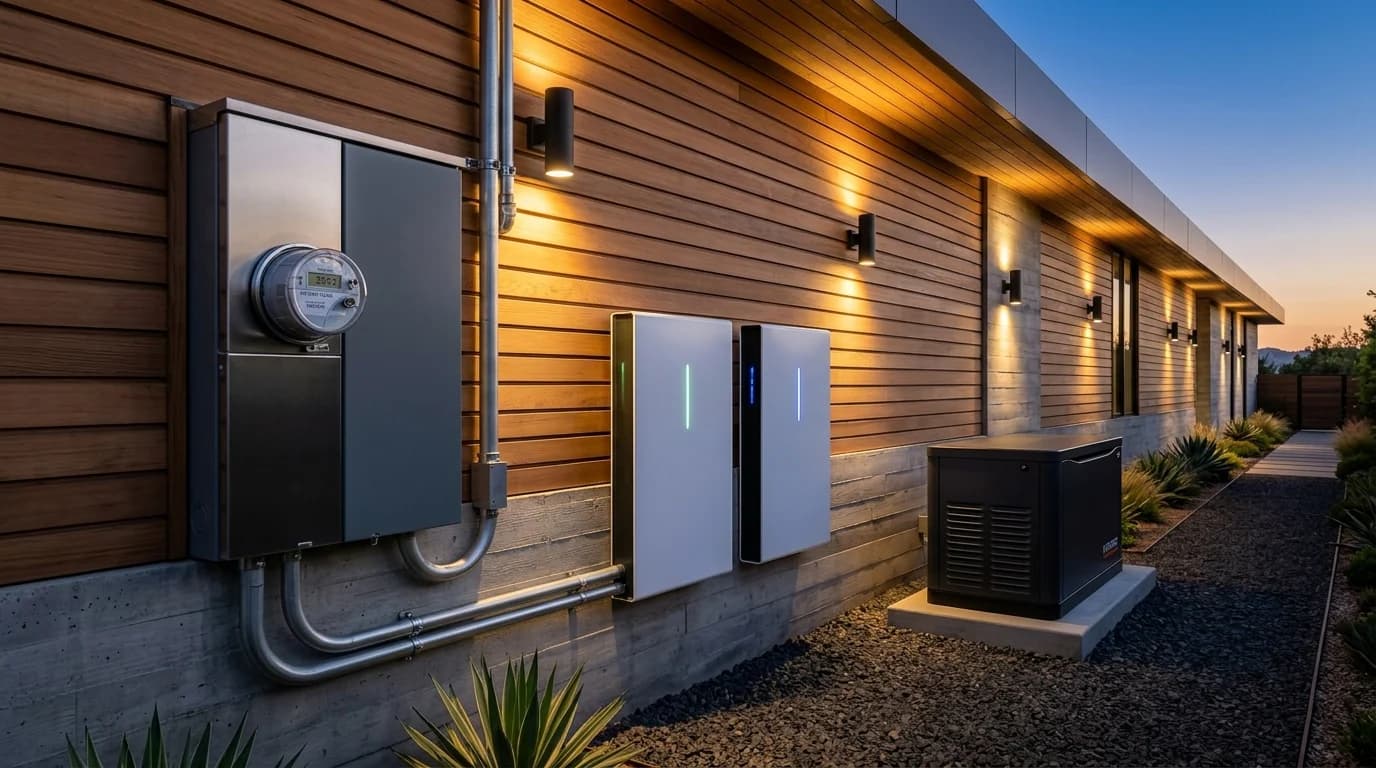
Layered protection
Whole-home and point-of-use devices serve related but different roles.
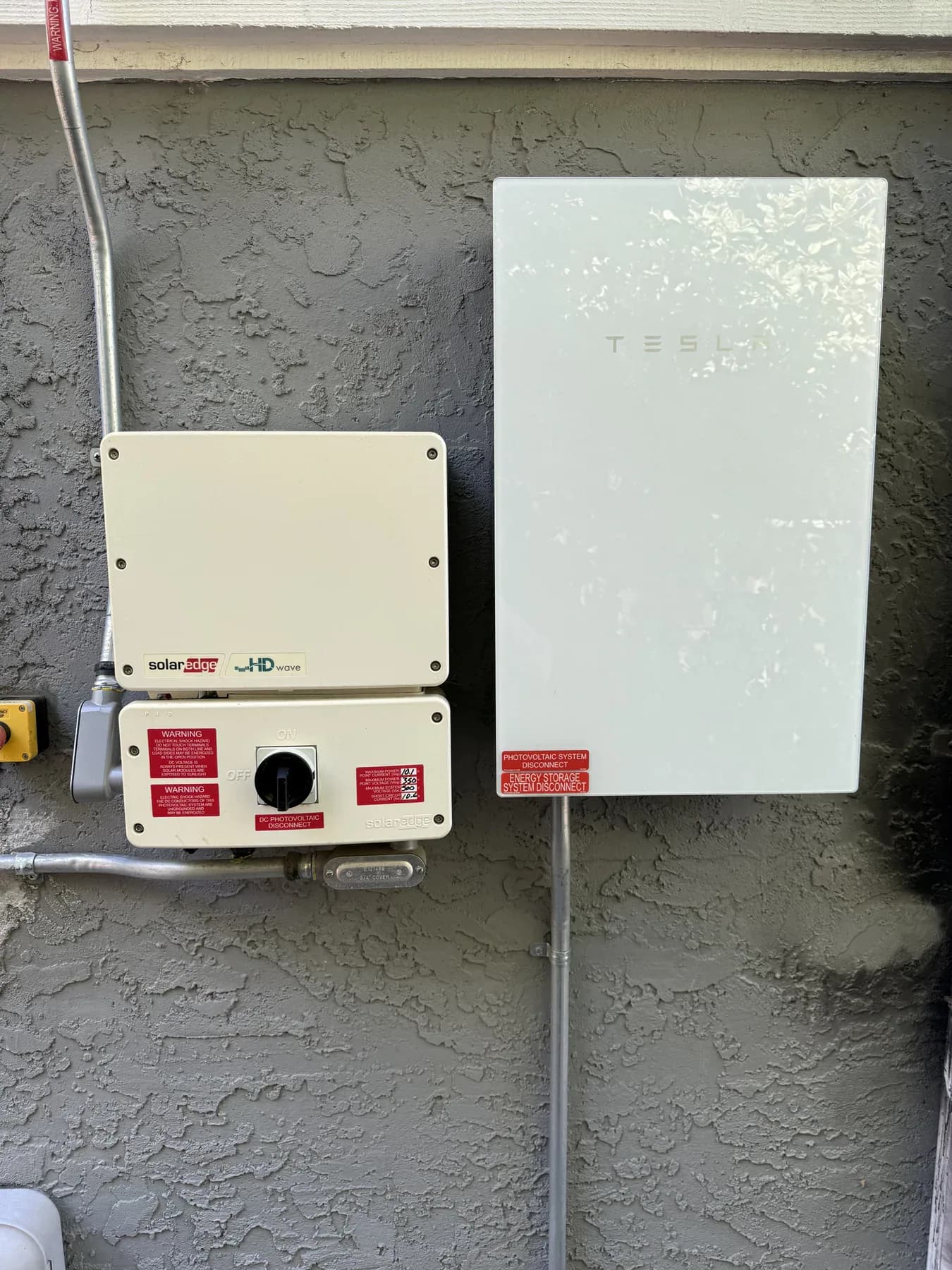
System context
The service arrangement informs the installation review.
A voltage surge is a sudden increase that can damage or degrade electronics. ESFI notes that internal sources, including large appliances switching on and off, can create many surges. A whole-home device protects the electrical system more broadly than a plug-in strip.
It is not a guarantee against damage and it cannot handle a direct lightning strike. Plug-in protection remains useful for sensitive devices.
The device needs an appropriate location and compatible electrical equipment. The assessment reviews accessible panel and service conditions, available space, and the work needed for the proposed installation.
Older or damaged equipment can change the scope. A surge-protection request should not be used to bypass an evaluation of concerns at the service equipment.
Grounding and bonding provide the electrical system context for service equipment. They do not mean an SPD can prevent every surge or every equipment failure.
We review the accessible service arrangement and describe any separate grounding/bonding work that may be needed rather than treating it as an automatic add-on.
Send photos of the panel, meter area, and any existing surge device. Include planned solar, battery, EV, or panel work. The final scope depends on the equipment and local requirements.
A service-level surge protective device has manufacturer ratings and installation instructions that must match the selected equipment and service arrangement. The proposal should identify the device location and compatible panel path instead of treating all SPDs as interchangeable.
Many devices include a status indicator. The homeowner should be shown what that indicator means and should retain the manufacturer information for replacement decisions after a status change or surge event. Whole-home protection covers a different point in the system than a plug-in protector; sensitive electronics can still benefit from point-of-use protection.
A site review keeps the whole-home device, existing panel, and point-of-use protection in the same plan.
Assess panel condition, space, and accessible grounding/bonding context.
Choose the appropriate protection layer for the property.
Complete the approved work and explain device indicators.
No. ESFI says no surge protection can handle a direct lightning strike.
It can remain a useful layer for sensitive electronics.
Compatibility and installation location need to be reviewed.
No. Grounding and bonding need their own assessment.
Share your city, the work you need, and any equipment or plans you already have.
408-614-4451