Pre-Sale Electrical Clearance
Pre-Sale Electrical Clearance in Santa Clara County. Clear the Findings Before They Reach the Report.
A home inspector working for the buyer is paid to find deficiencies, and electrical sits at the top of every checklist. Panel problems, missing GFCI protection, unpermitted work, and open wiring turn into price reductions or a dead escrow. Our team resolves them before your home goes on the market, under permit, with the paperwork to prove it.
- Pre-sale electrical inspection
- $500–$750Pre-sale electrical inspection
- Ideal lead time before listing
- 6–12 wksIdeal lead time before listing
- Scheduling for urgent listings
- Same weekScheduling for urgent listings
- Delivered for escrow
- Permit docsDelivered for escrow
Quick answer
Common inspector findings
What buyers’ inspectors flag, and what cleared looks like
Every item in the middle column is a negotiation point or a deal-killer. Every item in the right column is documentation that goes into your seller disclosures instead.
| Finding | Flagged status | Cleared status ★ |
|---|---|---|
| Missing GFCI protection | Kitchen, bath, garage, and exterior outlets flagged | All required locations updated and documented |
| Open junction boxes | Uncovered boxes flagged throughout | All boxes covered and secured |
| Double-tapped breakers | Multiple circuits on one breaker, a code violation | Circuits properly separated or a subpanel added |
| Unpermitted electrical work | Added circuits with no permit record, flagged by the inspector | Permits filed and inspected retroactively where the city allows |
| FPE or Zinsco panel | Deal-killer. Buyers frequently cannot get insurance | Panel replaced before listing, with a finaled permit |
| Knob and tube or aluminum wiring | Major red flag for both financing and insurance | Remediated with permit documentation provided |
| Missing smoke and CO alarms | Required locations identified and called out | All required locations installed and tested |
The seller’s advantage
Before listing
You control the timeline
Fix order, budget, and schedule are yours
After the buyer’s report
The buyer controls it
Every finding becomes a credit request
A buyer’s report with several electrical findings creates leverage for a price reduction. Addressing them before listing puts finaled permits in your disclosure package instead of a repair credit in the counteroffer.
From the field
Residential work across the county
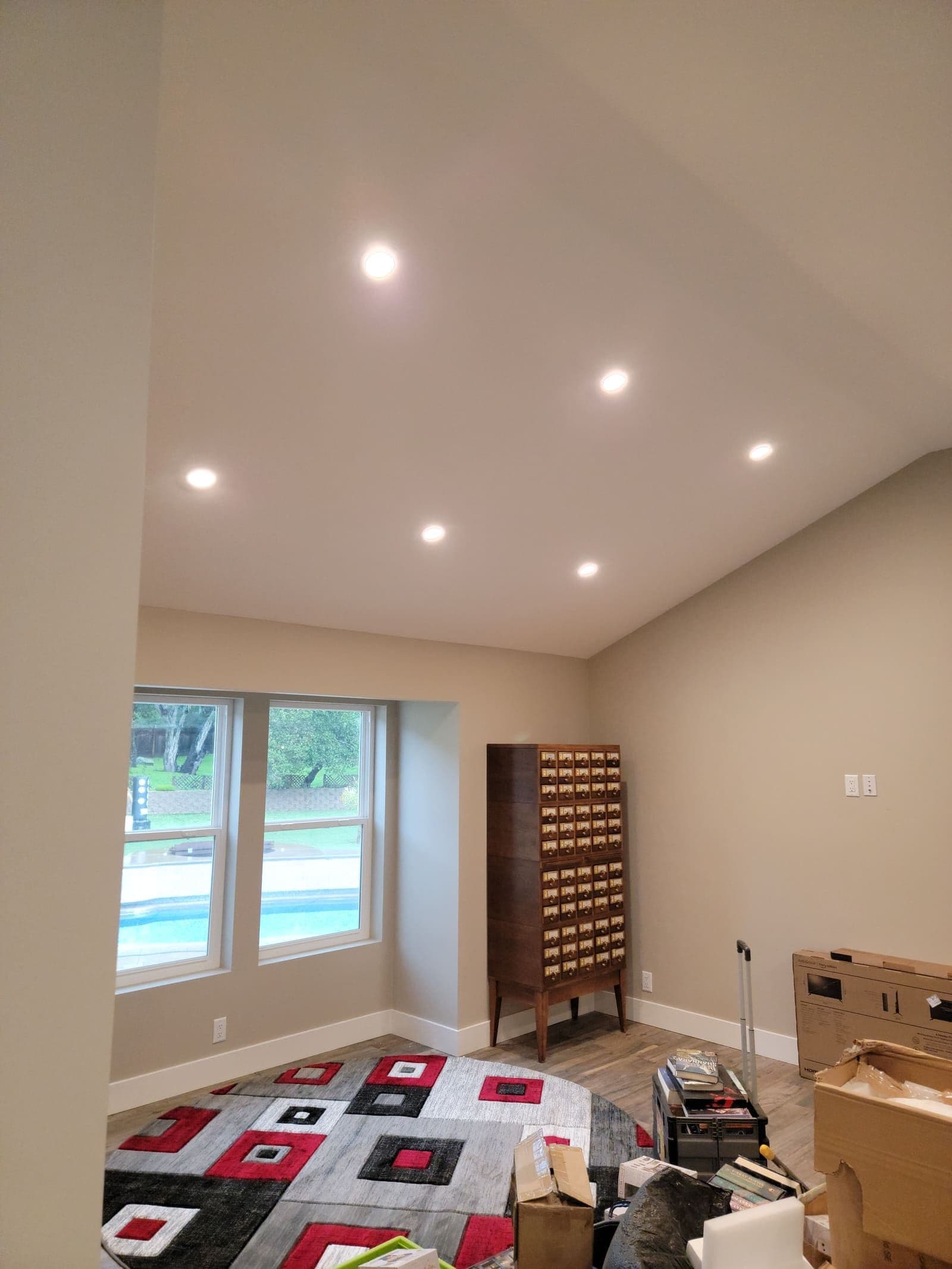
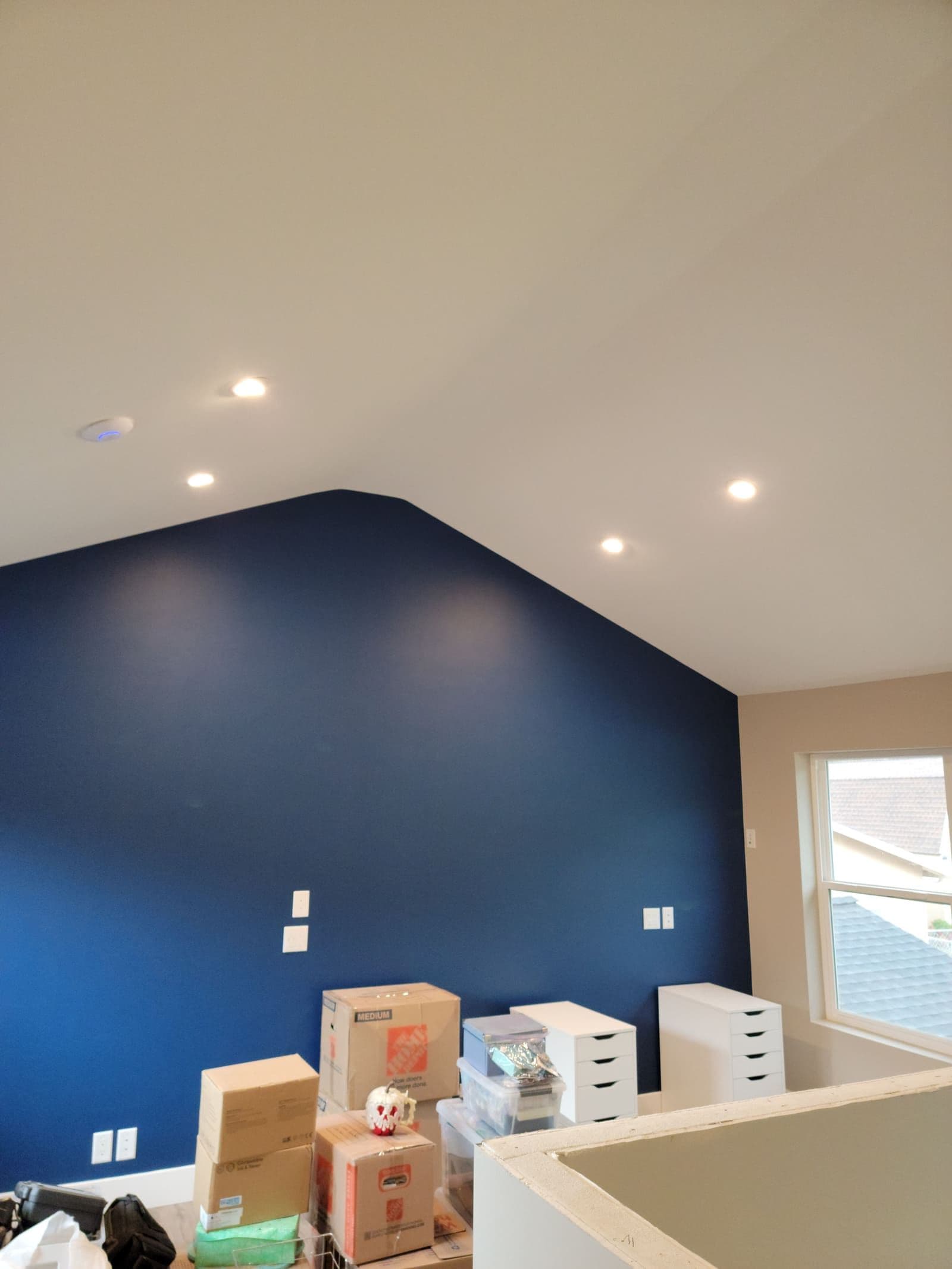
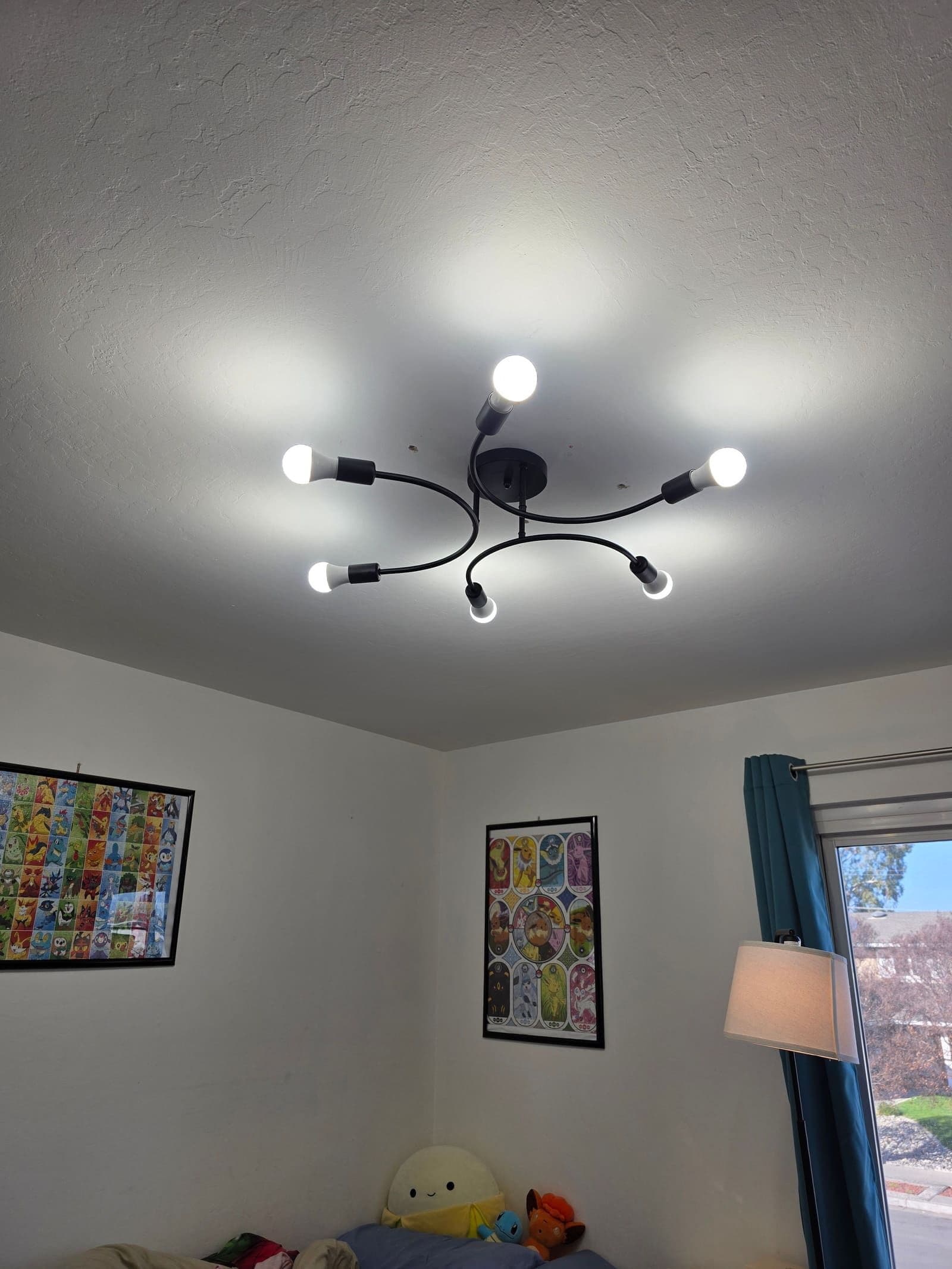
The insurability tier
Six findings that stop a sale, not just the price
Most inspection items are negotiation fodder. These six are different, because they reach the buyer’s insurer. No policy means no mortgage, and no mortgage means no sale. They also track the county’s housing stock closely, which is why they turn up on pre-sale walkthroughs again and again.
FPE Stab-Lok and Zinsco panels
Installed widely from the 1950s into the early 1980s, which is exactly the era of most Santa Clara County tract housing. Inspectors flag them on sight, most carriers refuse to write a policy on them, and an insurance refusal becomes a lender refusal.
FPE and Zinsco panel replacement →Fuse boxes and 60A service
A 60-amp service or an original fuse box cannot carry a modern household load, and it reads to an underwriter as an obsolete system. Buyers routinely cannot bind coverage, which stalls financing before the appraisal ever matters.
Panel upgrades →Active knob and tube wiring
Standard in homes built before roughly 1950, and still live in plenty of older neighborhoods across the county. Insurers broadly refuse coverage on active knob and tube, so a buyer who wants the house often cannot finance it.
Knob and tube replacement →Aluminum branch-circuit wiring
Common in homes built roughly 1965 to 1973, when copper prices pushed builders to aluminum on 15 and 20 amp circuits. Unremediated, it is an insurance flag and frequently a lender condition. Remediation has to be done with listed connectors and documented in writing.
Aluminum wiring remediation →Missing GFCI and AFCI protection
Kitchens, bathrooms, garages, laundry areas, and exteriors. Requirements phased in over successive code cycles, so a home that predates them almost never has full coverage. It is one of the cheapest findings to clear and one of the most common repair conditions written into escrow.
Unpermitted electrical work
A converted garage, a finished basement, a hot tub circuit, an added subpanel. No permit record means the work never got inspected, which clouds the file, invites lender scrutiny, and turns into a retroactive-permit scramble in the middle of escrow.
Santa Clara County housing runs heavily to postwar tract construction, mid-century subdivisions, and a meaningful stock of pre-1950 homes in the older neighborhoods. That mix is precisely the era range where obsolete panels, aluminum branch circuits, and surviving knob and tube still live behind the drywall.
When to start
Order the inspection before the listing photos
6 to 12 weeks out is the window that works. It leaves room to review findings, get a written quote, complete the work, and still clear a permit and inspection before the home hits the market.
2 to 4 weeks out still handles the small items: GFCI and AFCI updates, box covers, panel labeling, smoke and carbon monoxide alarms. It is not enough runway for a panel replacement or a rewire.
After an offer is the worst position. Every finding is now the buyer’s leverage, and the repair happens on their timeline and their credit demand rather than yours.
| Scope | Work time | Permit window | Total |
|---|---|---|---|
| GFCI and AFCI updates, box covers, labeling | Half a day | Same day to next day | 1 to 3 days |
| Double-tapped breakers, panel corrections | Half a day to one day | 3 to 7 days | About one week |
| Panel replacement (FPE, Zinsco, or a 100A upgrade) | One day on site | 5 to 10 business days | 1 to 2 weeks |
| Knob and tube partial rewire | 3 to 7 days | 7 to 15 business days | 2 to 4 weeks |
Permit review times vary by jurisdiction across Santa Clara County, and a busy building department can stretch a five-day review into two weeks. Building that slack into the plan is the difference between listing on schedule and listing with an open permit.
What to budget
Pre-sale remediation costs
Most pre-sale electrical work is straightforward: GFCI and AFCI updates, junction box covers, double-tap resolution, panel labeling, and smoke and carbon monoxide alarms. These items are predictable in cost and often completed the same visit.
Panel replacement is the largest single item. An FPE Stab-Lok or Zinsco panel is an insurance deal-killer, and replacing it before listing removes the objection from the buyer’s underwriter entirely while producing a finaled permit your agent can attach to the disclosures.
Major wiring issues, knob and tube or aluminum branch circuits, are quoted after assessment because scope varies substantially with the house. When time before listing is short, we prioritize by deal-risk and tell you plainly what to address first and what can wait for the buyer to inherit with full disclosure.
01
Pre-sale inspection
We walk the home the way a buyer’s inspector will. Every deficiency documented and prioritized by deal-risk.
02
Remediation scope and quote
A written quote for each item. You choose what to address. We tell you what buyers and lenders typically require.
03
Permitted remediation
Anything requiring a permit is filed before work begins. Minor repairs go same visit. Panel and wiring work within days.
04
Clearance documentation
Permit close documents delivered, plus a re-inspection letter so the buyer and title can confirm every item.
| Scope | Range |
|---|---|
| Pre-sale electrical inspection (2 to 3 hours) | $500 – $750 |
| GFCI / AFCI updates (full home) | $500 – $1,500 |
| Open box covers, minor repairs | $300 – $800 |
| Double-tap remediation | $400 – $1,200 |
| Panel replacement (FPE / Zinsco, like-for-like) | $4,000 – $6,500 |
| Major wiring remediation (knob and tube, aluminum) | Quoted after assessment |
| Permits | $500 – $1,000 depending on jurisdiction |
Permits vary by city and typically add $500 to $1,000 depending on jurisdiction. A written quote covers every remediation item before work begins. If the panel itself is the finding, our panel upgrade page carries the full service-upgrade pricing.
Disclosure and permit detail
SB 382, unpermitted work, and the escrow package
California Civil Code Section 1102 already requires sellers to disclose known defects that materially affect a property’s value or desirability, and known electrical problems and code violations are squarely inside that. As of January 1, 2026, SB 382 adds an electrical system advisory disclosure to the package for one-to-four-unit residential properties, advising buyers that an inspection by a qualified professional may be advisable. Non-disclosure of a known material defect is a basis for rescission, damages, and in some cases fraud claims, even after close of escrow.
Unpermitted work is its own category. If a previous owner (or a previous contractor) added circuits, finished a garage, or dropped in a subpanel without a permit, the work was never inspected, and the buyer’s lender may treat it as an unresolved condition. There is a legalization path: an as-built permit application to your city’s building division, an inspection that may require opening walls to verify in-wall wiring, and correction of anything that does not meet code. California SB 1226 lets building officials issue retroactive permits for certain existing unpermitted residential work against the code in effect when it was built rather than today’s standards, subject to health and safety review. Local enforcement still decides what gets upgraded and whether the retroactive permit issues at all, and double fees are common as a penalty.
What goes to escrow. Deliver this package to your escrow officer at least five business days before close so title has time to review it.
- The SB 382 electrical system advisory disclosure, signed and dated as part of the disclosure package.
- The Transfer Disclosure Statement with every known electrical defect disclosed.
- The finaled permit record from your city’s building department, showing permit number, scope, and inspection approval.
- Our invoice on Cali Rollin Electric letterhead, showing CSLB C-10 #1144031.
- Manufacturer warranties for any new panel or installed equipment.
- A written certification letter from our team when aluminum wiring remediation was performed.
This page is general information about a transaction process, not legal advice. Consult your own qualified real estate attorney before relying on any summary of disclosure obligations.
Local and credentialed
Cali Rollin Electric
Serving Santa Clara County
Headquarters in Morgan Hill, CA 95037
Why Cali Rollin Electric
What we bring to a pre-sale clearance
Sellers on a listing clock cannot wait on a contractor who moves at their own pace. Our team knows what buyers’ inspectors write up across Santa Clara County, because we see the same findings on pre-sale jobs every month. Written quote for every item, permits pulled on everything that needs one, and a documentation package delivered in time for close.
Seller-side timing
We work to your listing calendar. Inspection and minor remediation often land in the same week.
Permit documentation for buyers
Every permitted item filed, inspected, and closed. Documentation delivered in time for escrow.
Inspector finding preview
We find what the buyer’s inspector will find, before the report is written and priced against you.
Re-inspection letter
After remediation, we provide a letter documenting every item completed and how it was corrected.
Panel and wiring issues resolved
FPE, Zinsco, knob and tube, and aluminum branch wiring cleared before listing when the calendar allows.
Countywide coverage
Every incorporated city in Santa Clara County, one standard, one point of accountability.
Related work
Already know which finding you have?
FPE / Zinsco panel replacement
The single most common deal-killer. Replace it before listing and the insurance objection disappears.
Knob and tube replacement
Active knob and tube blocks coverage. Partial or full replacement, permitted and documented.
Aluminum wiring remediation
Listed connectors, permitted work, and the written certification letter underwriters ask for.
Panel upgrade (100A to 200A)
When the service itself is the finding, this is the real upgrade path, done to code.
Electrical safety inspection
Not selling? The standalone safety inspection covers the same system, without the escrow clock.
All residential services
See the full Sanctuary lineup: panels, rewires, EV charging, generators, and more.
Serving homeowners across Santa Clara County.
Common questions
Pre-sale electrical clearance: FAQ
What electrical problems are most likely to kill a home sale in Santa Clara County?
Certain electrical findings do not just trigger negotiations, they stop transactions. Federal Pacific Electric Stab-Lok panels and Zinsco panels are flagged by every inspector and rejected by nearly all insurers, which often triggers lender refusal. Fuse boxes and 60A service are inadequate for modern homes, and most buyers cannot get insurance, which blocks financing. Active knob and tube wiring causes insurers to broadly refuse coverage. Aluminum branch-circuit wiring with no remediation is an insurance flag and frequently a lender condition. Missing GFCI protection in kitchens, bathrooms, garages, and exterior areas is a California code violation and one of the most common repair conditions written into escrow. Unpermitted electrical work can cloud title and trigger lender scrutiny. The common thread is insurability: without insurance there is no mortgage, and without a mortgage there is no sale.
When should I schedule a pre-sale electrical inspection?
Schedule it before you list, not after you receive an offer. The ideal window is 6 to 12 weeks before listing. That gives time to review findings, get a remediation quote, make repairs, and list with a clean inspection, which prevents price reductions and buyer credits. Two to four weeks before listing is still workable for minor items like GFCI upgrades or panel labeling, but it is not enough runway for a panel replacement or a rewire. After an offer is received is the worst time, because any flagged issue becomes a negotiating chip for the buyer. As of January 1, 2026, California SB 382 requires sellers of one-to-four-unit residential properties to provide buyers with an electrical system advisory disclosure as part of the standard Transfer Disclosure Statement package. Consult your real estate attorney for guidance specific to your transaction.
How much does a pre-sale electrical clearance cost?
The inspection itself runs $500 to $750 for a typical single-family home and takes two to three hours. Remediation is quoted per item after the walkthrough. GFCI and AFCI updates across a full home run $500 to $1,500, open box covers and minor repairs run $300 to $800, and double-tap remediation runs $400 to $1,200. A like-for-like FPE or Zinsco panel replacement runs $4,000 to $6,500. Major wiring remediation such as knob and tube or aluminum is quoted after assessment because scope varies substantially by home. Permits vary by city and typically add $500 to $1,000 depending on jurisdiction. Every item is quoted in writing before any work begins.
Do I have to disclose electrical issues to buyers in California?
Yes. California law requires disclosure of all known material defects, and electrical issues are specifically covered. California Civil Code Section 1102 requires sellers to disclose all known defects that could materially affect the property’s value or desirability, including known electrical problems or code violations. As of January 1, 2026, SB 382 requires sellers to provide an additional electrical system advisory disclosure advising buyers that an inspection by a qualified professional may be advisable. Non-disclosure of known material defects is a basis for rescission of sale, damages, and in some cases fraud claims, even after close of escrow. This material is for general informational purposes only and is not legal advice. Always consult your own qualified real estate attorney before relying on any summary of disclosure obligations.
Should I fix everything, or only what buyers will demand?
Prioritize by deal-risk, not by line count. The first tier is anything that affects insurability, because that is what turns a repair request into a dead transaction: an FPE or Zinsco panel, a fuse box or 60A service, active knob and tube, and unremediated aluminum branch wiring. The second tier is cheap safety items that make a report look long even though each one is minor: GFCI and AFCI protection, open junction boxes, double-tapped breakers, missing panel labeling, and smoke and carbon monoxide alarms. Clearing tier two is usually a few hundred to about $1,500 and shortens the buyer’s report dramatically. Cosmetic and preference items are last. When the listing date is close, our team scopes the work in that order so the highest-risk findings are gone even if the calendar runs out.
Can I get permits pulled for electrical work that was done without permits?
Yes. California has a process for after-the-fact or as-built permits, and every Santa Clara County jurisdiction has a legalization pathway. You submit an as-built permit application to your city’s building division describing the work that was done. An inspector reviews it, which may require opening walls to verify in-wall wiring. Any work not meeting current code has to be corrected before the permit can be approved. California SB 1226 allows building officials to issue retroactive permits for certain existing unpermitted residential work using the building code in effect at the time of construction rather than today’s standards, subject to health and safety review, although local enforcement still decides what must be upgraded and whether to issue the retroactive permit. Standard permit fees apply, plus potentially double fees as a penalty for unpermitted work. Our team regularly helps homeowners legalize unpermitted electrical work, including performing the required corrections and coordinating the inspection.
How quickly can electrical clearance work be completed?
It depends entirely on what needs to be fixed. GFCI and AFCI upgrades, missing covers, and labeling can be completed in half a day with same-day or next-day permits, wrapping up in one to three days total. Double-tapped breakers and panel corrections take half a day to one day, with permits closing in three to seven days. Panel replacement for an FPE or Zinsco panel, or a 100A upgrade, takes one day of installation with five to ten business days for permit approval in most Santa Clara County jurisdictions, so one to two weeks total. A knob and tube partial rewire takes three to seven days of work with seven to fifteen business days for permits, so two to four weeks total. The most effective strategy is to order the inspection eight to twelve weeks before your target list date, receive the findings, and schedule remediation immediately so there is buffer for permit processing.
What documentation do I provide to the buyer at closing?
For any electrical work completed in connection with the sale, provide the following to escrow for handoff to the buyer: the SB 382 electrical system advisory disclosure signed and dated as part of the disclosure package; the Transfer Disclosure Statement with all known electrical defects disclosed; the finaled permit record from your city’s building department showing permit number, scope, and inspection approval; the contractor invoice on Cali Rollin Electric letterhead showing CSLB C-10 #1144031; manufacturer warranties for any new panels or installed equipment; and a written certification letter from our team if aluminum wiring remediation was performed. Provide this documentation to your escrow officer at least five business days before close so title can review it and confirm nothing needs clarification.
Does a pre-sale electrical clearance replace the buyer’s home inspection?
No, and it is not meant to. A buyer’s general home inspector covers the whole property: roof, plumbing, foundation, appliances, and electrical at a surface level. A pre-sale electrical clearance is deeper on one system only. Our team opens the panel, checks conductor and breaker sizing, looks for double taps and bootleg grounds, samples device wiring, verifies GFCI and AFCI coverage, checks bonding and grounding, and pulls the permit history for the address. The point is to see the electrical findings before they appear in the buyer’s report, and to hand you finaled permits instead of a repair credit demand.
Get started
Get ahead of the buyer’s inspection
Tell us your target list date and anything you already know about the panel or the wiring. Our team responds the same day during business hours and works to your listing calendar. Inspection and minor remediation often land in the same week.