FPE Panel Replacement

FPE Panel Replacement in San Jose

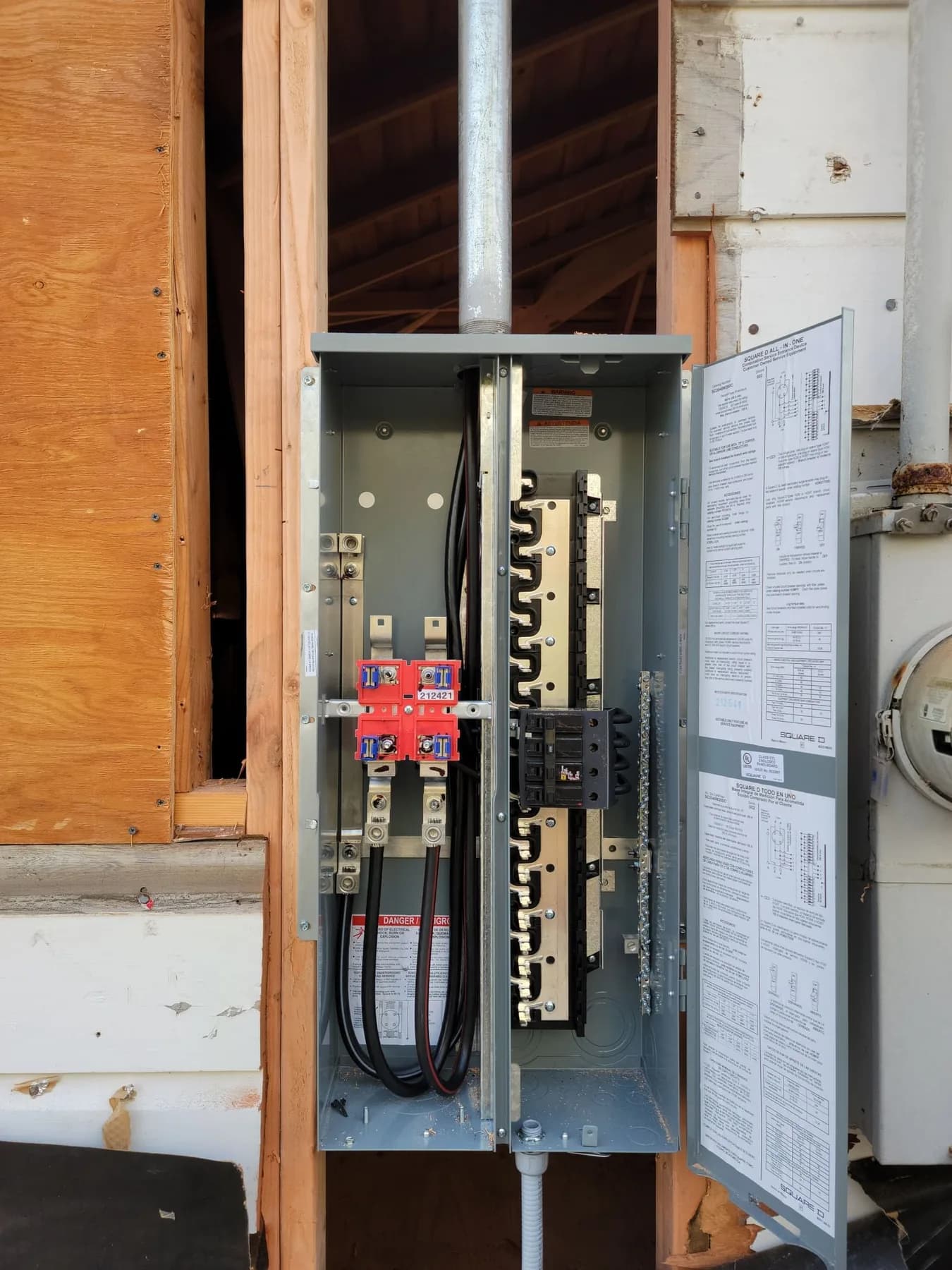
Finding Federal Pacific Electric or Stab-Lok equipment during a renovation, inspection, or panel review raises a practical question: what is installed, what condition is it in, and what would a sensible replacement involve? We start with the equipment and the home around it, then map a replacement scope that accounts for the service, circuits, grounding and the loads you plan to add.

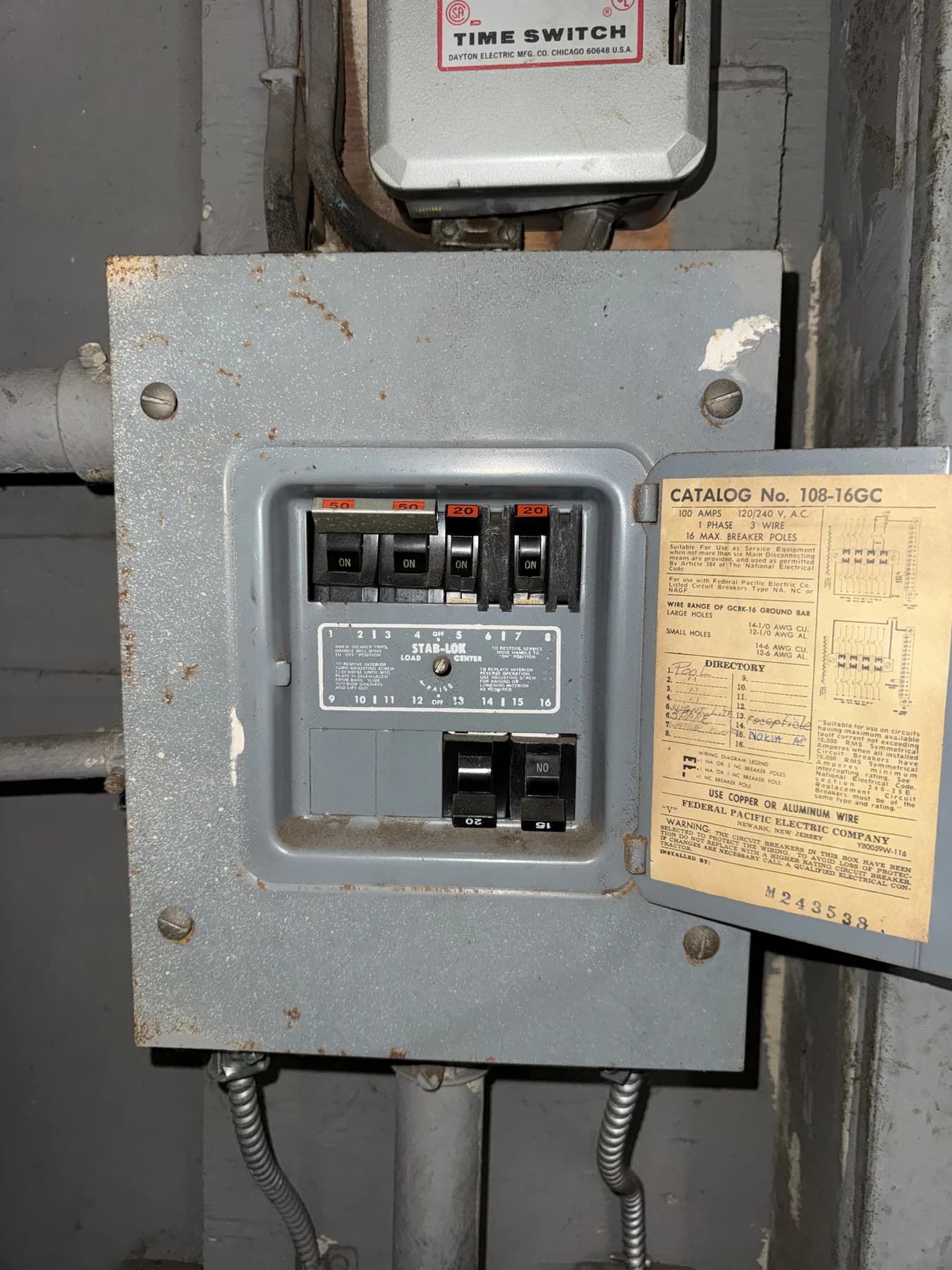
Federal Pacific Electric Stab-Lok load center with the manufacturer label visible
CRE field photo · Existing Federal Pacific Stab-Lok equipment shown for identification

Plan the work

Identify the equipment

Document the existing panel

Federal Pacific Electric equipment is commonly associated with the Stab-Lok name. A label or photo helps identify what is installed and prepare an assessment; the service rating, enclosure condition, circuit directory, visible damage, and prior work determine the scope.

  • Photograph the panel label, door, meter area, and circuit directory before the visit.
  • Tell us about tripping, flickering, warm equipment, renovation plans, EV charging, HVAC, or solar.
  • Do not remove the cover or handle interior components yourself to investigate a concern.
Replace with a full scope

A new enclosure is only one part of the job

Replacement planning looks at the service conductors, meter and disconnect arrangement, circuit extensions, grounding and bonding, available space, and how each existing circuit will be identified. If a future load needs more utility capacity, that is a separate service decision, not something a new panel alone creates.

  • Keep capacity questions separate from branch-circuit distribution questions.
  • Plan for clear circuit identification when the replacement is complete.
  • Coordinate permit and inspection requirements with the jurisdiction for the specific address.

Plan around the house

Use the replacement to make later work easier

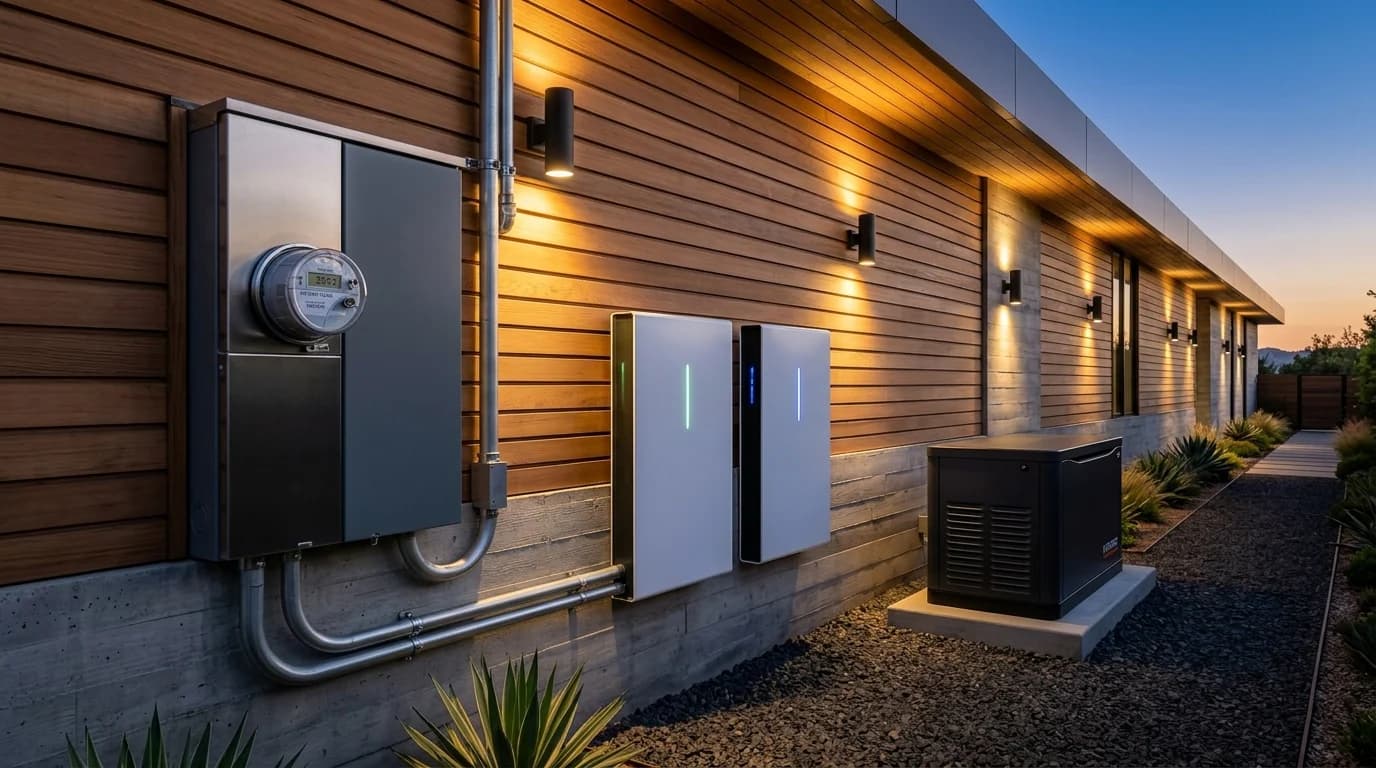
A panel project can be a useful point to consider an EV charger, battery backup, a subpanel for an addition, or whole-home surge protection. That does not mean every project needs those additions. It means the quote can distinguish what is needed now from conduit, space, or capacity planning that avoids reopening finished work later.

  • List planned electrical loads and the rooms or outdoor areas they will serve.
  • Separate immediate corrections from optional future-ready work.
  • Use a site review to decide whether a main-panel, service, or subpanel project fits.

If the panel is Zinsco, use the Zinsco route

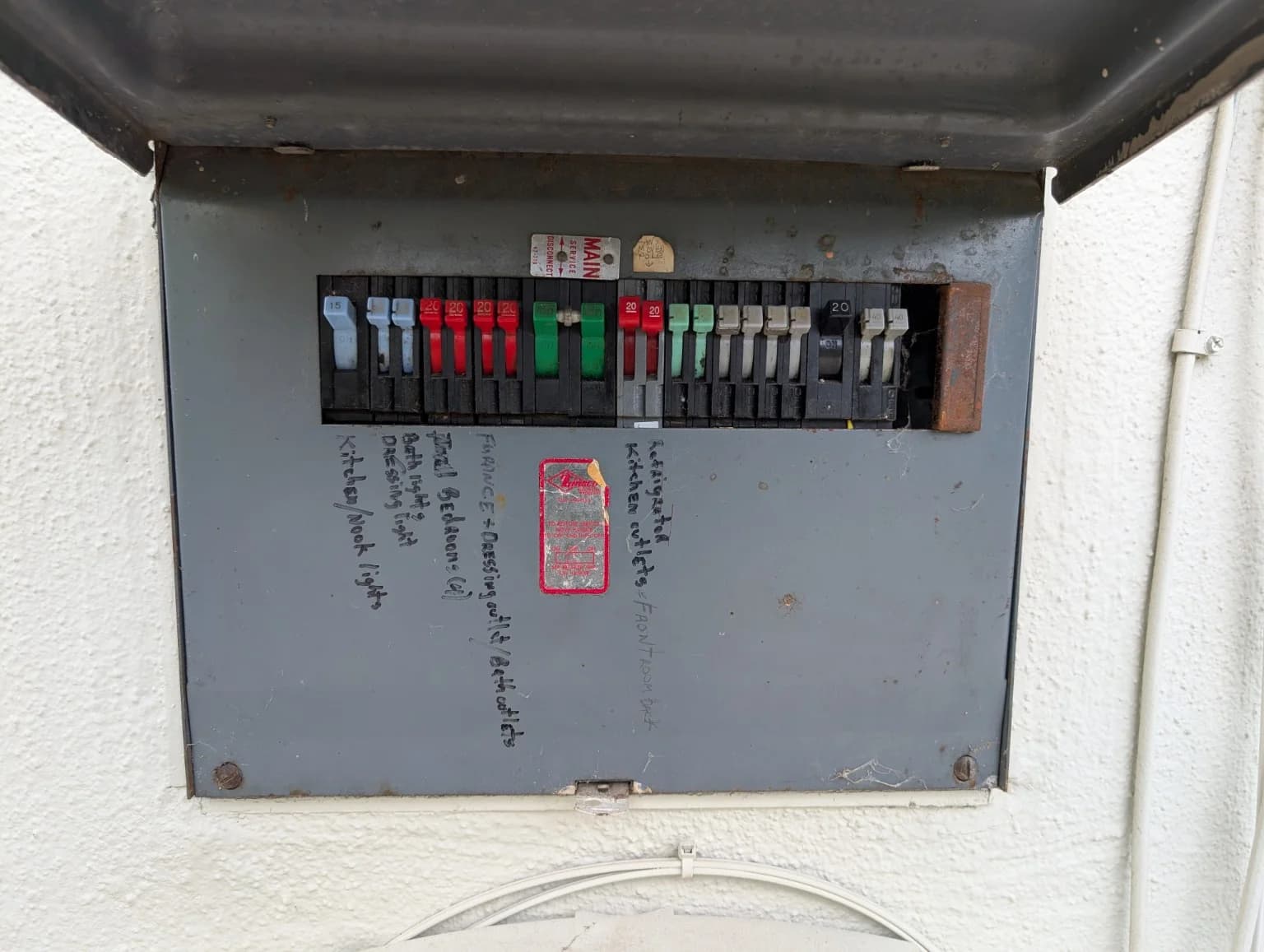
FPE and Zinsco are separate equipment histories. If the accessible label identifies Zinsco equipment, use the Zinsco panel replacement page so the review starts with the correct equipment and evidence.

A photo can help identify a label, but it does not establish internal condition or replacement scope. Share exterior, meter, and inspection photos before any panel recommendation.

Why an FPE panel calls for a careful review

Federal Pacific Electric manufactured residential equipment commonly identified by the Stab-Lok name. In 1983, the U.S. Consumer Product Safety Commission closed its investigation without making a determination that the breakers were safe or unsafe. Its notice says the available data did not establish a serious risk while describing compliance concerns examined during the investigation. The notice is not a recall and it does not certify the performance of an individual panel.

A photograph can help identify equipment, but it cannot establish breaker performance. An electrician can evaluate accessible equipment, the service arrangement, signs of damage or modification, and the demands placed on the system. For smoke, active arcing, or immediate danger, move away from the area and call 911; do not handle the panel.

What an on-site assessment needs to answer

A useful assessment begins outside as well as inside the panel. We look at the service equipment and meter area, access to the panel, the number and type of existing circuits, the condition of the enclosure and visible conductors, and whether there is a practical place to work. A circuit directory, renovation drawings, and photos of planned equipment help make the review more specific.

The question is not simply whether there is an empty breaker space. An EV charger, heat pump, induction cooking, spa, ADU, battery system, or addition can change the service and distribution conversation. The assessment separates a replacement of existing equipment from a capacity or service change, so the scope reflects the home rather than a generic panel package.

Panel replacement, service upgrade, and subpanel are different decisions

A panel replacement updates the distribution equipment where circuits originate. A service upgrade concerns the utility-fed capacity and service equipment. A subpanel creates a nearby distribution point for another area, such as a garage, addition, or ADU. These projects can overlap, but they solve different problems.

Keeping the distinction clear matters when an older panel is involved. Replacing an FPE panel may be the right project while the existing service remains suitable after review. In another home, planned loads or the existing service arrangement may point to a broader scope. We describe the reason for each part of the proposed work so a homeowner can compare options on the same basis.

The work around the replacement matters

A replacement can involve circuit identification, conductor extensions or rerouting, equipment location and working clearance, grounding and bonding review, disconnect or meter coordination, and repair of surfaces affected by access. The exact work depends on what is already installed and on the local authority’s requirements for the address.

Permitting and inspections are part of planning, not a slogan. The responsible jurisdiction determines what is required, and utility involvement depends on the service scope. A written proposal should make clear which equipment and circuits are included, what site conditions are assumed, and which findings could change the scope after the equipment is opened or the jurisdiction reviews the plans.

Grounding and bonding deserve their own check

Grounding and bonding are related but different parts of the electrical system. Grounding connects the system to earth through the applicable electrode system. Bonding joins metal parts and equipment so a fault can follow an effective path back to the source and protective devices can operate as intended. The existing service arrangement determines what can be observed and what changes are appropriate.

This is also why a panel replacement is a sensible time to review the service as a whole. It does not make a diagnosis from a label alone, and it does not promise that a single device solves every electrical-safety concern. It gives the work a documented starting point before circuits are moved into new equipment.

How to prepare for a replacement conversation

Send clear photos of the exterior and interior door labels, the closed panel, the meter area, and the circuit directory. Include the city, whether the home is occupied during the work, and any electrical changes you are considering. If a home inspection mentioned the panel, include the exact wording rather than relying on a recollection.

At the site review, we can talk through access, the service and load questions that affect scope, and the practical sequence for the property. You will have a better basis for deciding between a focused replacement and a project that coordinates future electrical work at the same time.

From our field photos

Start with equipment identification

The Federal Pacific label and exterior enclosure are visible in this field photograph. They provide a starting point for identifying the equipment. An equipment review also considers the service arrangement, connections, and circuit identification before defining the replacement work.

Make the next electrical decision from the actual installation

An older panel should lead to a clear assessment and a scope matched to the house. The goal is to identify the equipment, understand the service and circuit needs, and document what a replacement requires before work begins.

  1. Review the existing equipment

    Document the panel, meter area, accessible wiring, circuit directory, and planned electrical loads during the site assessment.

  2. Define the replacement scope

    Separate panel replacement, service-capacity work, circuit changes, and optional future-ready additions in a written plan.

  3. Coordinate the property work

    Plan access, required approvals, equipment changeover, inspection steps, and circuit identification for the specific address.

Common questions

Was every FPE or Stab-Lok panel recalled?

No. The CPSC closed its investigation without making a safety determination. A specific panel should be evaluated on its equipment, condition, service arrangement, and the home’s needs.

Can a photograph tell whether my panel must be replaced?

Photos can help identify equipment and prepare a visit, but they do not replace an electrical assessment of the accessible installation and the work needed for the property.

Will a replacement automatically increase my home’s capacity?

No. A panel replacement and a utility service upgrade are different scopes. A load and service review determines whether more capacity is part of the project.

Can this be coordinated with an EV charger or battery?

Often the planning can be coordinated, but equipment compatibility, circuit routing, load review, and the desired backup or charging scope need to be evaluated for the home.

What should I send before an assessment?

Send the panel label, closed-panel and meter-area photos, circuit directory, city, inspection notes, and a list of planned loads or renovation work.

Tell us about your project.

Share your city, the work you need, and any equipment or plans you already have.

408-614-4451
Loading the inquiry form…
Call (408) 614-4451Request an estimate

We use necessary browser storage to remember your choice. With your permission, Google Analytics helps us understand which pages are useful. Contact forms work either way. See our privacy policy.